
Lieferung heute & morgen

Qualitätsgarantie

Willkommens-Angebote freischalten: KOSTENLOSE Lieferung | Bis zu 80 % RABATT | Kostenlose 30-Tage-JoyPlus-Testphase
App herunterladen
A well-organised sink area is the cornerstone of any functional kitchen. A high-quality stainless steel dish rack seems like a durable and stylish solution. However, the market is flooded with products whose true quality only becomes apparent after a few weeks or months—often in the form of rust, wobbly construction, or water stains on your countertop. Before you make a purchase, it's crucial to understand the common flaws that can quickly turn a supposed kitchen helper into a source of frustration.
This guide reveals the three critical pitfalls to avoid when buying a dish rack set and explains which objective features you should look for to make a durable and practical choice for your kitchen.
Many products promise more than they can deliver. With dish racks in particular, three specific weaknesses consistently lead to disappointment and unnecessary expense.
To avoid these problems, you should base your selection on three verifiable parameters. These will help you objectively assess the quality of a set.
Not all stainless steel is created equal. For use in the kitchen, where the material is in constant contact with water, choosing the right alloy is crucial. Look for products explicitly made from 304 stainless steel (also known as 18/8 or 18/10 stainless steel). This material offers high corrosion resistance and is food-safe. Cheaper alternatives like 201 stainless steel are less durable and prone to rusting.
Measure the available space next to your sink carefully before choosing a dish drainer. A space-saving dish rack isn't necessarily small, but rather one that makes optimal use of the available area. Models with detachable cutlery holders or a second tier can increase capacity without requiring a larger footprint. Check the dimensions and ensure the rack is stable and offers enough space for your typical load of dishes.
A good kitchen draining rack is more than just a place to put things. It should function as a well-designed sink organiser. A key feature is a dish rack with a drip tray that has a spout or a sloped design. This channels draining water directly back into the sink, keeping your work surface dry and hygienic.
Instead of making a one-size-fits-all recommendation, we have selected products tailored to specific needs and household types.
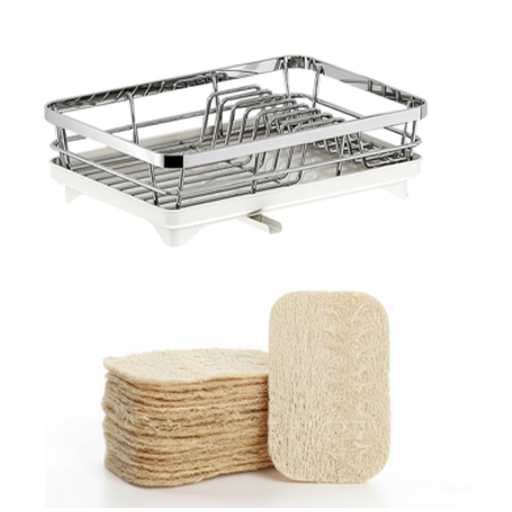
Why This Fits Their Persona: Ideal for a first home or as an upgrade to a zero-waste kitchen. This set combines a durable drying system with a supply of sustainable cleaning tools, covering the entire dishwashing process.
The set is made of rust-resistant stainless steel and features an integrated PP drip tray that effectively drains water. As a complete kitchen starter set, it eliminates the need to buy individual components separately.
A comprehensive solution with a large capacity (42x29x12.7 cm) and a 30-pack of 100% biodegradable loofah sponge cleaning pads.
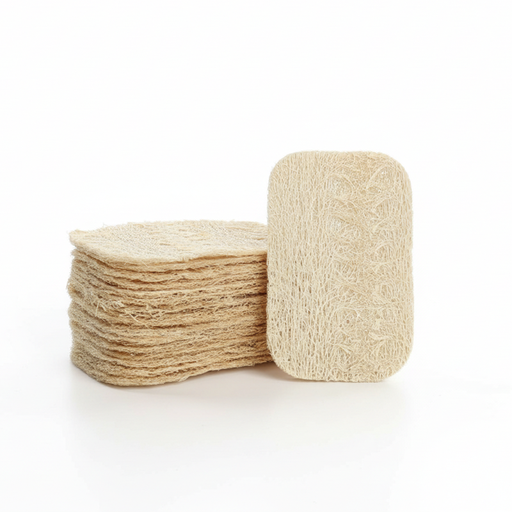
Why This Fits Their Persona: For those who already own a good dish rack but want to optimise their consumables. This sustainable dishwashing set replaces conventional plastic sponges with an eco-friendly and effective alternative.
It sidesteps the trap of short-lived, non-sustainable plastic sponges. The loofah fibres are durable, non-scratch, and compostable, reducing household waste.
Made from 100% natural loofah plant fibre with no chemical additives. The porous structure ensures quick drying and good lathering. The 30-pack provides a long-lasting supply.
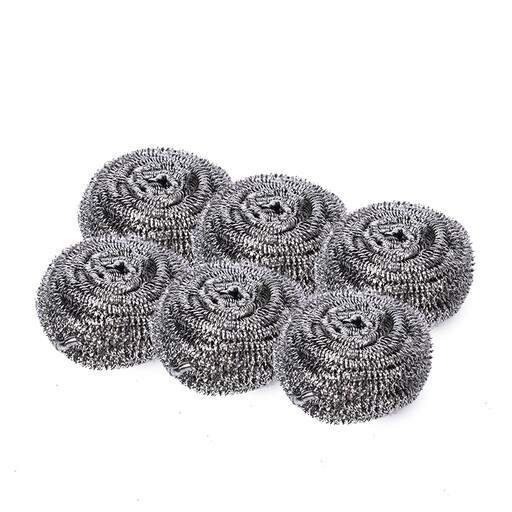
Why This Fits Their Persona: For households that regularly deal with tough, burnt-on food on uncoated pots, pans, or grill grates and need a robust, long-lasting cleaning tool.
These scourers are made from high-quality 304 stainless steel, making them rust-resistant and durable. The tight spiral weave prevents them from unravelling or losing strands like cheap metal sponges.
Powerful cleaning performance for stubborn grime. The material is safe for food contact surfaces and is easy to rinse clean after use.
If you want to complete your dishwashing system with the right cleaning tools, we've curated a selection of products that meet strict criteria for durability and material quality.
1. How do you properly clean a stainless steel dish rack to prevent rust and limescale? Regular cleaning is key. Wipe the rack weekly with a soft cloth, warm water, and mild washing-up liquid. To combat limescale buildup, use a solution of water and vinegar (in a 1:1 ratio). Apply the solution, let it sit for a short time, and then rinse thoroughly with clean water. Dry the rack completely to prevent water spots.
2. What is the ideal size for a dish rack in a 2-person household? For a 2-person household, a compact yet well-structured model is often sufficient. A space-saving dish rack around 40 to 45 cm in length usually provides enough space for daily dishes. More important than the overall size is a smart layout with holders for plates, cups, and a separate cutlery basket.
3. Are loofah sponges truly hygienic and durable? With proper care, loofah sponges are a very hygienic option. Their natural, porous fibre structure allows for quick drying, which inhibits bacterial growth compared to dense foam sponges. Rinse the sponge thoroughly after each use, squeeze out excess water, and hang it to dry. They are quite durable but should be replaced once the fibres begin to break down.