
Lieferung heute & morgen

Qualitätsgarantie

Willkommens-Angebote freischalten: KOSTENLOSE Lieferung | Bis zu 80 % RABATT | Kostenlose 30-Tage-JoyPlus-Testphase
App herunterladen
A stainless steel dish drying rack with a drip tray needs to hold wet crockery securely, keep water off your worktop, and be easy to clean. In British kitchens, though, it's not just the material that determines how well it works day in, day out. Dimensions, the drainage design and stability all play a part in whether a dish rack with a drip tray stays practical over time.
Many product photos give the impression of a spacious drying rack, but only show a few plates and cups. Before you buy, it's worth comparing the external dimensions with the worktop space you have available. For the Maxcook model, the measurements given are 42 × 29 × 12.7 cm. These figures help you realistically assess the room needed next to your sink, wall and kitchen tap.
The layout matters too: compartments for plates, sections for bowls, and a zone for cutlery or smaller kitchen utensils can have a bigger impact on usable capacity than a vague claim like "large capacity".
A drip tray doesn't automatically mean a working drainage system. Check whether the tray extends far enough, whether water is channelled to an outlet, and whether the outlet can be positioned towards the sink. Without a slope or an outlet, you'll have to empty the tray by hand on a regular basis.
A drying rack with a water outlet can be a good idea on smaller worktops, provided the outlet actually points towards the sink. A swivelling diverter is more practical than a fixed outlet if you need to position the rack differently depending on your needs.
"Stainless steel" doesn't automatically mean the same material quality across every product. Look at the specific product description, the finish of the edges and how the rack connects to the drip tray. Even stainless steel needs to be able to dry after cleaning; standing water, salt residue or harsh cleaning products left on the surface can cause damage over time.
The Maxcook model is described as a stainless steel rack with a PP drip tray. According to the product description, the construction is moisture- and rust-resistant. The tray is said to be easy to clean. These are specific product features, but they don't replace regular maintenance.
A stainless steel dish drainer is generally a good choice for kitchens where you want a low-maintenance rack. Check that the surface is smooth and easy to access, and that the drip tray can be removed without complicated dismantling. An integrated design that requires no assembly can make setup simpler.
For cleaning, warm water and a mild detergent are usually sufficient. Limescale deposits shouldn't be left on the tray or the outlet for long periods. Avoid abrasive cleaners and scouring pads on coated or delicate surfaces.
A worktop dish rack should be chosen not just for the space it takes up, but also for your daily dishwashing needs. For a single-person household, a compact drying rack may be enough. Couples and families often need separate sections for plates, glasses and cookware.
Make sure the base is sturdy and the rack sits firmly. Particularly heavy pots should only be placed in the drying rack if the manufacturer doesn't rule it out. A wide base and even weight distribution reduce the risk of tipping.
Place the drying rack as close to the sink as possible, without getting in the way of the tap or mixer. Measure before you buy:
If you can't direct the outlet towards the sink, make sure the tray is easy to access. That way you can empty and clean it regularly.

Why this product fits the profile: This model combines a stainless steel rack with a drip tray and is listed with dimensions of 42 × 29 × 12.7 cm. That means you can check the space it needs before you buy.
The product description mentions a drip tray, a water outlet with a swivelling diverter and an integrated design that requires no assembly.
Stainless steel rack, PP tray, stated large storage capacity and an easily accessible drainage design.
Why this product fits the profile: Buyers can compare material, dimensions and drainage details using the product data provided before placing an order.
The description sticks to verifiable features such as stainless steel, PP drip tray, outlet and integrated design, rather than making vague quality claims.
Objectively stated dimensions, stainless steel material and a swivelling water diverter.
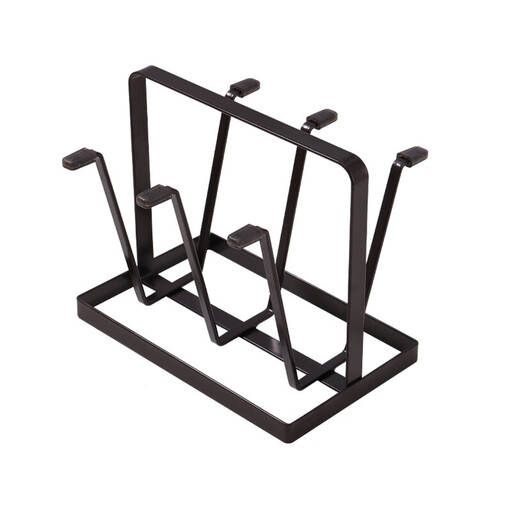
Why this product fits the profile: This product is positioned as a storage solution for drinking vessels and can be used as an extra option when you want mugs or cups to dry separately from your main dishes.
It isn't presented as a full-size, large dish rack. For plates, bowls and pots, you should check the actual product dimensions and what's included before buying.
Specialised for storing cups; however, the manufacturer's details do not include precise dimensions.
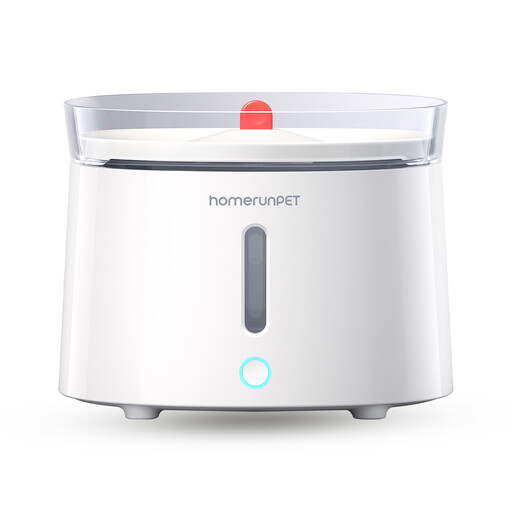
Why this product fits the profile: This product does not belong in a selection of dish drying racks. It is described exclusively as a separate water station for cats and dogs and should not be confused with a dish rack.
The clear distinction in purpose prevents a wrong purchase: UVC water stations do not replace a dish drying rack or a drip tray for kitchen utensils.
Cordless design, removable water tank and filter cartridge according to the product description.
We've put together a full, regularly updated list of products that fully meet these strict selection criteria and the safety regulations in force in the EU.
That depends on how much crockery you use each day and how much worktop space you have. For couples, a compact model is often enough. Families should look for several plate compartments, enough depth for bowls and a separate section for cutlery. What matters are the actual external dimensions, not just the advertised capacity.
Empty and clean the drip tray regularly. If there's an outlet, point it towards the sink and wipe away any standing water when needed. Hard water can leave visible marks; a mild detergent and a soft cloth are usually enough for day-to-day care.
The lifespan depends on the material, build quality, how much weight it bears and how well it's looked after. Don't overload the rack with excessively heavy pots on a permanent basis. It's also important to keep it dry, remove limescale and food residue, and check the tray, outlet and connections. Manufacturer claims about rust resistance are product-specific and should be judged accordingly.