
Lieferung heute & morgen

Qualitätsgarantie

Willkommens-Angebote freischalten: KOSTENLOSE Lieferung | Bis zu 80 % RABATT | Kostenlose 30-Tage-JoyPlus-Testphase
App herunterladen
Stainless steel household products are popular in many British homes: as storage containers, lunch boxes, thermal cups, saucepans or water fountains for cats and dogs. The material looks robust and hygienic, but product quality doesn’t depend solely on the term “stainless steel”. What really counts is the material grade, closure, thermal insulation, dimensions and genuine everyday practicality.
316L stainless steel is a specific stainless steel alloy with a low carbon content. It is often used for its corrosion resistance. However, the material designation alone says nothing about the quality of the lid seal, workmanship or weld seams. For products that come into contact with food, you should also check the manufacturer’s information and usage instructions.
A product made from 304 stainless steel can also be perfectly suitable for many household applications. For dry foods, drinks or everyday kitchen use, the higher-grade alloy isn’t always necessary.
A stainless steel storage container can be sturdy and still leak if the lid doesn’t close properly or the silicone seal is poorly fitted. Before buying, therefore, the following points are important:
With a stainless steel lunch box or a thermal food container, you should also consider whether you’ll be transporting liquids, soups or dry snacks.
With a thermal mug or an insulated water bottle, the stated times for temperature retention refer to specific test conditions. Fill volume, starting temperature, surroundings and how often the lid is opened often affect the result. A wide opening makes cleaning easier, but can affect heat retention if the lid is opened frequently.
Look for a clear material specification for all parts that come into contact with food or drink. With stainless steel products, you should also consider the lid material, silicone rings and any coatings. 316L stainless steel is particularly interesting if you want higher corrosion resistance. However, suitability for food contact should be evident from the product information, not just inferred from a marketing claim.
For long-lasting kitchen utensils, edges, handles and transitions also matter. Smooth interior surfaces are generally easier to clean. With stainless steel chopsticks, an even surface and a shape that’s easy to grip are more important than decorative elements.
The nominal capacity needs to suit your daily life:
Measure the intended space before you buy. A container might fit in a freezer, but its height or rectangular shape could make it awkward to stack.
Dishwasher-safe storage reduces cleaning effort, but this doesn’t automatically apply to lids, seals or insulated components. With vacuum containers, hand washing may be required or recommended. Let seals dry completely before putting them back in place. This helps prevent odours and moisture from lingering in the closure area.
A stainless steel saucepan should be suitable for your hob. For induction hobs, a suitable magnetic base is essential. The same applies to gas, electric, ceramic and halogen hobs, provided the manufacturer states compatibility.
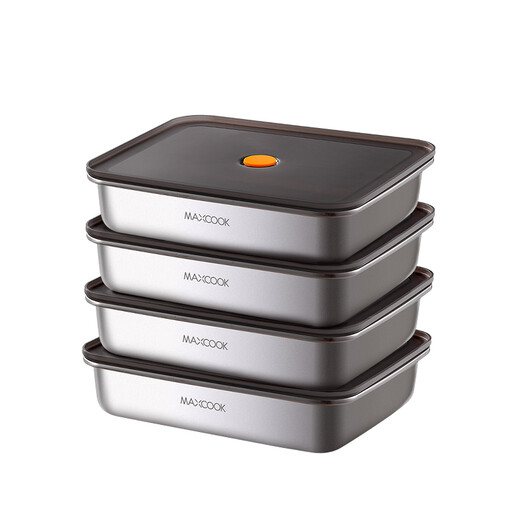
Why this product suits the profile: Four identical containers of 1,600 ml each are ideal for meal prep, leftovers and uniform food storage organisation in the home.
The product details specify 316L stainless steel as well as dishwasher and freezer suitability. The lids should still be checked separately for sealing and cleaning.
Four identical 1,600 ml containers, rectangular shape and stated dishwasher and freezer suitability.
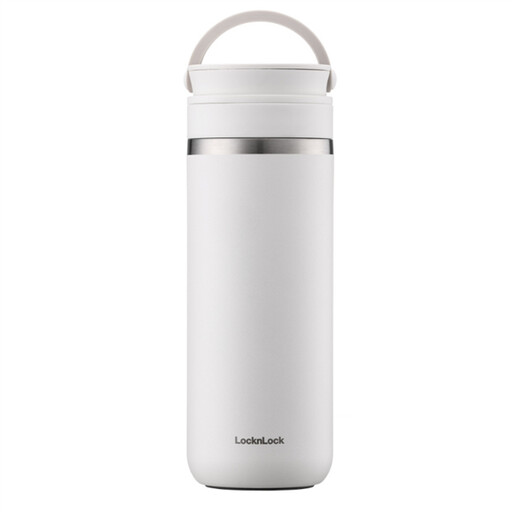
Why this product suits the profile: For professionals and commuters, this thermal mug features a 316L inner liner, double-wall vacuum insulation and two drinking options.
The details mention a leak-proof seal and dishwasher-safe cleaning on the top rack. For hot drinks, the manufacturer’s safety instructions apply.
475 ml capacity, 304 stainless steel exterior, 316L stainless steel interior, plus stated hot and cold insulation.

Why this product suits the profile: The large volume is aimed at families and users who prepare soups, stews or larger portions on gas and induction hobs.
The product description explicitly states hob compatibility. Since hand washing is specified, the false expectation of universal dishwasher suitability is avoided.
6.5 litre capacity, glass lid and bonded base suitable for gas, induction, electric, ceramic and halogen hobs.
We’ve put together a complete, regularly updated list of products that fully meet these strict selection criteria and the safety regulations in force in the EU.
316L stainless steel is a material alloy with high corrosion resistance. Whether a specific product is suitable for food contact depends on the complete product design and the manufacturer’s information. Therefore, also check the lid, seal and any conformity declarations provided.
The lifespan depends on material thickness, workmanship, closure, use and care. Containers without complicated coatings can remain usable for a long time with proper cleaning. However, seals, filters or lid components may need to be replaced sooner.
White residue is often caused by limescale or starch, while rainbow-coloured discolouration results from heat and minerals. Cleaning with mild washing-up liquid and, if necessary, diluted vinegar can help. Abrasive cleaners and harsh sponges can scratch the surface.