
Lieferung heute & morgen

Qualitätsgarantie

Willkommens-Angebote freischalten: KOSTENLOSE Lieferung | Bis zu 80 % RABATT | Kostenlose 30-Tage-JoyPlus-Testphase
App herunterladen
Choosing a stainless steel lunch box is often the first step towards a more sustainable and healthier daily routine. However, the market is flooded with products whose marketing promises don't always hold up in practice. As a Joybuy Product Recommendation Officer, I see daily which details separate a long-lasting companion from a regrettable purchase. Before you invest, you should know the typical pitfalls that often only become apparent after a few weeks of use.
At first glance, many containers look robust and practical. But the devil is often in the details. Pay close attention to these three points to avoid disappointment:
To get real value for your money, you should focus on the technical specifications. These three parameters are crucial for the durability and safety of your stainless steel food container.
Choosing the right material is fundamental. While 304 stainless steel is sufficient for many applications, 316 stainless steel offers significantly higher corrosion resistance. This is due to the addition of molybdenum, which makes the steel more resistant to chlorides (salt) and acids.
You can identify a truly leak-proof box by the design of its lid and seal. Look for a thick, precisely-fitted silicone gasket that sits firmly in the lid but can be easily removed for cleaning. Sturdy clamps or a screw-top lid that applies even pressure on the seal are also indicators of a reliable design. This is especially critical for a thermal food container to safely transport hot liquids.
Consider what you will primarily use the box for. Your needs will determine whether a simple container, a bento box, or an insulated jar is the right choice.
Based on these objective criteria, we have identified several products that are well-suited for specific use cases.
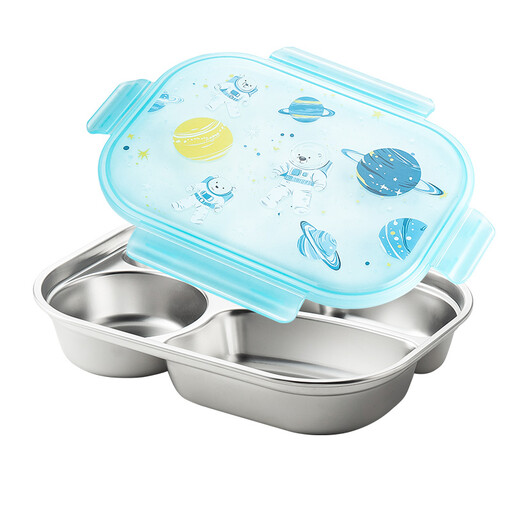
Why This Fits Their Persona: Ideal for commuters and office workers who want to bring a balanced meal without the components mixing. The four compartments allow for a clean separation of the main course, side dishes, and snacks.
This model avoids the trap of impractical design. The compartment layout is well-thought-out, and the use of 316 stainless steel protects against corrosion from dressings or fruit acids.
Clear separation of foods for better organisation and flavour preservation. Robust construction for daily use.
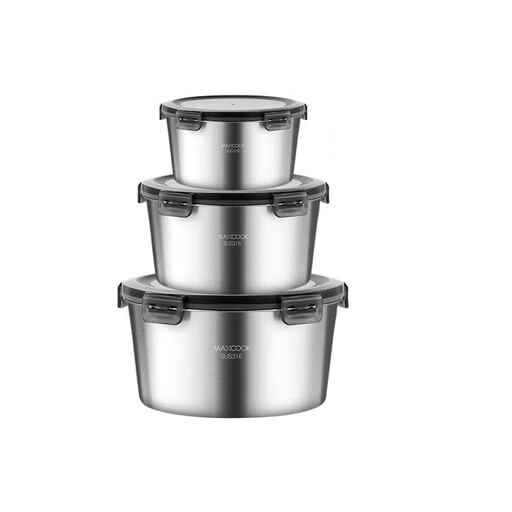
Why This Fits Their Persona: This set of three containers (2x 600ml, 1x 2200ml) is designed for meal preparation and storage. It offers the flexibility to store entire meals or individual components for the week.
Instead of buying individual, mismatched containers, this stainless steel storage container set provides a cohesive solution. The construction from 316 stainless steel ensures that even stored foods remain safe and taste-neutral.
Versatile sizes for different needs. The containers are freezer and dishwasher-safe, which simplifies the meal prep process.
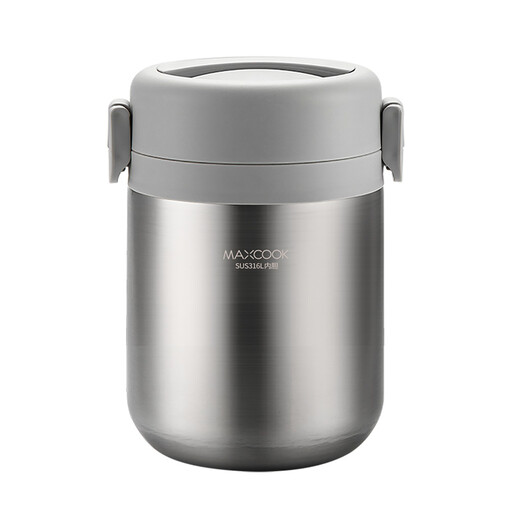
Why This Fits Their Persona: This thermal container is for anyone who doesn't want to miss out on a warm meal on the go. With a 1.5-litre capacity, it's suitable for soups, stews, or curries and keeps them warm for hours.
This is a genuine thermal food container with vacuum insulation and a reliable screw-top lid specifically designed for transporting liquids. It avoids the trap of lids that only appear to be sealed.
Effective temperature retention through vacuum insulation. The wide opening makes it easy to fill, eat directly from the container, and clean.
We have compiled a complete, up-to-date list of products that fully meet these strict selection criteria and UK/EU safety regulations.
Most containers made of pure stainless steel are dishwasher-safe. However, caution is advised with lids and seals. High temperatures can damage the silicone or plastic of the lid over time and compromise its leak-proof quality. It is recommended to check the manufacturer's instructions and, when in doubt, wash lids by hand to maximise their lifespan.
Yes, especially if you choose a container made of 316 stainless steel. This grade of steel is specifically designed to withstand corrosion from acids and salts. With 304 stainless steel containers, highly acidic or salty foods should not be stored for extended periods to avoid material changes or flavour transfer.
The insulation performance depends on several factors: the quality of the vacuum insulation, the initial temperature of the food, and the ambient temperature. A good thermal food container can keep food warm for 4 to 6 hours. A practical tip: rinse the container with boiling water before filling it. This preheats the interior and significantly extends the time it stays warm. The times stated by manufacturers often refer to optimal conditions.