
Lieferung heute & morgen

Qualitätsgarantie

Willkommens-Angebote freischalten: KOSTENLOSE Lieferung | Bis zu 80 % RABATT | Kostenlose 30-Tage-JoyPlus-Testphase
App herunterladen
A high-quality stainless steel lunch box is an investment in durability, sustainability, and your health. But the market is flooded with products whose marketing promises often fall short in practice. As a Joybuy Product Recommendation Officer, I see daily which features truly matter and which design flaws lead to frustration. This guide will help you separate the wheat from the chaff and find a stainless steel lunch box that genuinely makes your daily life easier.
Many buyers are swayed by attractive photos and bold advertising claims. In doing so, they often overlook critical weaknesses that can render an otherwise good container useless.
To avoid these pitfalls, you should check three technical parameters before buying. These are crucial in determining the functionality and lifespan of your meal prep containers.
The quality of the steel is the foundation. Most stainless steel food containers are made from one of two grades:
Pay attention to the product description. Reputable manufacturers state the steel grade transparently. If this information is missing, proceed with caution.
A reliable lid is crucial. The most effective systems combine two elements:
Consider what you'll primarily use the box for. A single large container is great for salads, curries, or leftovers. For a varied meal with different components, a stainless steel bento box with flexible or removable dividers is often the better choice. For preparing multiple meals (meal prep), a stainless steel food storage container set or a pantry container set is ideal. It allows you to store different portion sizes and can often be nested to save space.
Based on the criteria above, we have identified a few products that are a great solution for specific user groups.
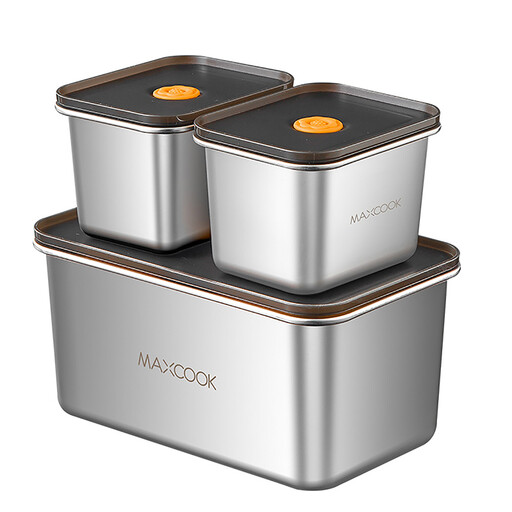
Why it's a match: This set is ideal for anyone looking for a solid starter kit to store leftovers or transport simple meals. It offers a cost-effective alternative to plastic without compromising on core functionality.
It avoids the 'one-size-fits-all steel' trap by clearly specifying 304 stainless steel. Users know exactly what they're getting for their money—a solid, food-grade standard steel.
The set of three different sizes offers great flexibility for various meals and snacks. The containers are also stackable, saving space in the fridge and cupboards.
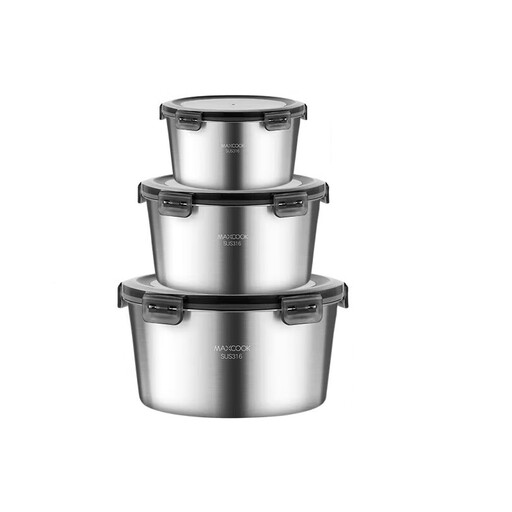
Why it's a match: For health-conscious users and families who prioritise the highest material purity and durability. Ideal for regular meal prep, especially with acidic or salty ingredients.
This set solves the problem of inferior materials by using 316 stainless steel. This ensures maximum corrosion resistance and hygiene, even with intensive use.
The three graduated sizes (600ml, 1100ml, 2200ml) cover every need, from small snacks to large family portions. The containers are dishwasher and freezer safe.
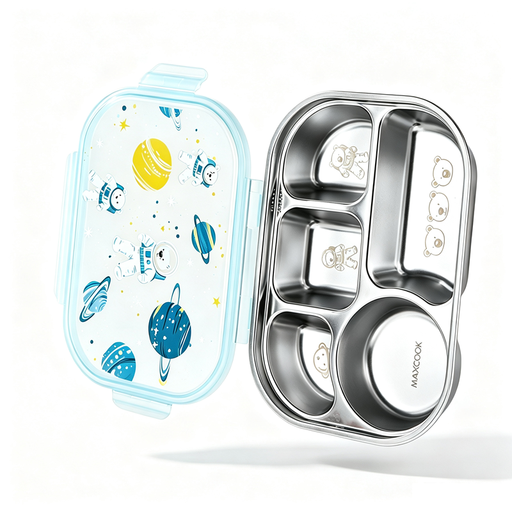
Why it's a match: Perfect for the lunch box for adults who want to take a varied meal to work. The compartments keep the main course, sides, fruit, and snacks neatly separated and appetizing.
This box solves the problem of impractical layouts with a well-designed compartment arrangement. At the same time, using 316 stainless steel ensures high material quality.
The five fixed compartments allow for perfect meal organization, preventing flavours and textures from mixing. The lid with the astronaut pattern is an added design detail.
We've compiled a complete, up-to-date list of products that fully meet these strict selection criteria and rigorous safety standards.
Most stainless steel containers are suitable for cleaning in the dishwasher. However, for the lids, especially those with silicone seals, hand washing is often recommended. This extends the life of the seal and ensures it remains leak-proof. Always check the manufacturer's specific care instructions.
Yes, stainless steel is excellent for hot foods. However, be aware that single-walled containers will conduct heat to the outside and can become hot to the touch. They are not insulated, meaning food will not stay hot for several hours unless it is a dedicated thermal container.
Both steel grades are food-safe and robust. 304 stainless steel (also known as 18/8 steel) is the common standard for most kitchen applications. 316 stainless steel (18/10 steel) also contains the element molybdenum. This gives it significantly higher resistance to corrosion from salts and acids. For long-term use with foods like tomato sauces, salad dressings, or salted dishes, 316 stainless steel offers superior durability.