
Lieferung heute & morgen

Qualitätsgarantie

Willkommens-Angebote freischalten: KOSTENLOSE Lieferung | Bis zu 80 % RABATT | Kostenlose 30-Tage-JoyPlus-Testphase
App herunterladen
Choosing the right stainless steel kitchen tools can be the difference between joy in the kitchen and daily frustration. A modern kitchen setup designed for durability and hygiene often starts with rust-proof accessories. However, the market is flooded with products of widely varying quality. Before you invest in a new stainless steel utensil set or individual tools, it's crucial to understand the common pitfalls that lead to disappointment.
As your Joybuy Product Recommendation Officer, I'm here to help you navigate the marketing noise and make informed decisions. Here are the most common problems and what you should look out for.
Many buyers focus on appearance, but the real weaknesses often reveal themselves only with use. Pay attention to these three critical points to avoid making a bad purchase:
To avoid these problems, you should focus on objective, verifiable criteria. These three parameters are decisive for the longevity and functionality of your stainless steel kitchen utensils.
The number combinations on stainless steel products aren't marketing gimmicks; they provide information about the alloy's composition.
For tools that frequently come into contact with moisture and acidic foods, choosing 18/10 stainless steel is a worthwhile investment in longevity.
The stability of a kitchen tool depends on its construction. Look for the following features:
A good tool feels comfortable in your hand and performs its task efficiently.
Based on these objective criteria, we have selected a few products that are well-suited for different needs and kitchen profiles.

Why This Fits Their Persona: A fundamental and versatile tool for daily cooking. It offers a durable stainless steel option without a large initial investment, making it ideal for a first kitchen setup or as a replacement for a worn-out plastic model.
The stainless steel and polypropylene construction is robust, preventing the bending or breaking common in cheap alternatives. The material is designed for longevity.
Dishwasher-safe for easy cleaning. Equipped with a practical hanging loop for space-saving storage.
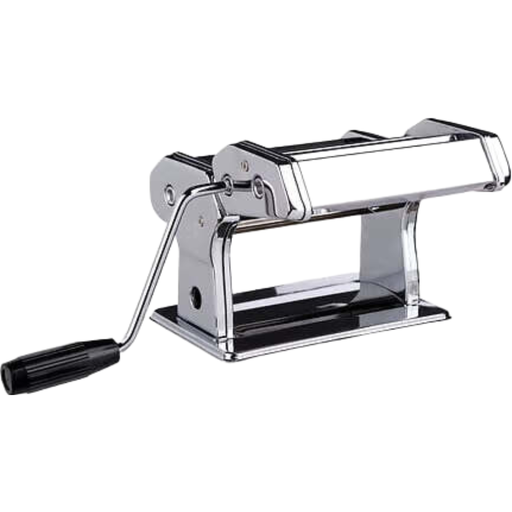
Why This Fits Their Persona: For home cooks who want to take their passion for fresh, homemade pasta to the next level. This set provides the necessary equipment for a variety of pasta types.
Unlike unstable multi-function devices, this set features a solid steel and stainless steel construction. The separate rollers for different tasks ensure stability and durability during demanding dough processing.
Complete set for tagliatelle, spaghetti, and ravioli. The food-grade material ensures hygienic and reliable results.
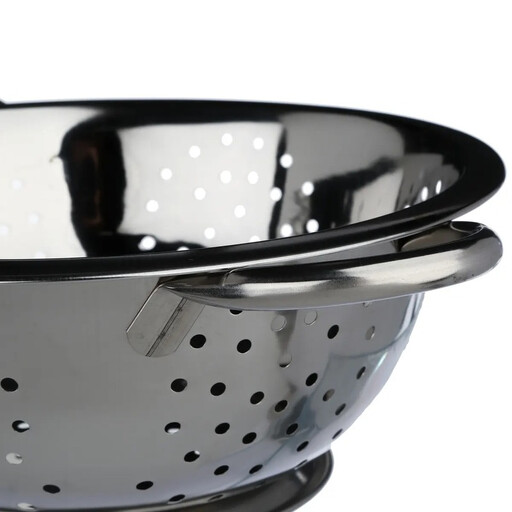
Why This Fits Their Persona: A core kitchen tool where robustness is crucial. Perfect for those who cook frequently and need reliable equipment for draining pasta, washing vegetables, or rinsing fruit.
Made from a high-quality steel alloy, it prevents the warping and rusting that occurs with thin, cheap strainers. Its sturdy construction can withstand the weight of large quantities of pasta or potatoes.
A generous 2.2-liter capacity and a 24 cm diameter make it highly versatile. The robust design promises a long service life.
We have compiled a complete, up-to-date list of products that fully meet these strict selection criteria and current regulations.
Look for the 18/10 stainless steel marking, which indicates high corrosion resistance. Examine the construction: a seamless, single-piece design or securely riveted joints are signs of quality. A balanced weight and a comfortable feel also suggest a high-quality product. Avoid utensils with glued parts or very thin, bendable material.
Although high-quality stainless steel like 18/10 is generally considered dishwasher-safe, this is not a guarantee for every product. Lower-grade steel can develop surface rust. Handles made of wood or certain plastics are often not suitable for the dishwasher. Therefore, always check the manufacturer's care instructions to ensure the product's longevity.
Surface rust on stainless steel utensils often comes from other, non-rust-proof items in the dishwasher (e.g., screws on pots). To minimize this, dry your kitchen tools promptly after the wash cycle, ideally by hand. Avoid leaving utensils in contact with highly acidic food residues for extended periods. Stubborn stains can often be removed with a special stainless steel cleaner.