
Lieferung heute & morgen

Qualitätsgarantie

Willkommens-Angebote freischalten: KOSTENLOSE Lieferung | Bis zu 80 % RABATT | Kostenlose 30-Tage-JoyPlus-Testphase
App herunterladen
Loose tea leaves, herbal blends and spiced teas are easy to prepare with a suitable stainless steel tea strainer. However, some seemingly practical models can quickly become frustrating: the strainer is too small, the mesh lets fine particles through or the material is difficult to clean after brewing.
This buying guide explains which details are genuinely important and which model may suit different drinking habits.
Many product images show a dense-looking metal mesh. What matters, however, is the actual mesh structure. With very fine teas, rooibos, herbs or spice blends, large openings can allow small particles to end up in your cup. If you are looking for a tea filter for loose tea, make sure you specifically choose a fine-mesh design.
The word ‘strainer’ alone says nothing about the mesh size. A specific detail such as 800 Mesh is more informative than a general marketing claim such as ‘particularly fine’.
A small tea infuser ball saves space, but it does not give every type of tea enough room. Black tea, green tea and some herbal blends expand when they come into contact with water. A round tea infuser ball with a diameter of just 4 cm is therefore mainly suitable for individual cups and smaller portions.
For a larger teapot or bulky leaves, an integrated filter in the pot or a larger strainer is usually more practical. The product size should always match the cup, teapot and amount of tea being used.
Stainless steel is often chosen for its corrosion resistance and reusability. Even so, tea residue can collect in difficult-to-reach folds, fastenings or frames. A reusable tea filter should be rinsed thoroughly and dried after use.
Also look out for sharp edges, loose connections and plastic parts. If a model has a plastic frame, take the temperature resistance specified by the supplier into account.
For a stainless steel tea filter, the material specification and intended use are important points of reference. 304 stainless steel is used in various kitchen and drinks accessories. For products with stainless steel mesh, the frame should be securely attached to the strainer so that the mesh does not become deformed when filling and cleaning.
If you want to avoid plastic, look for a stainless steel tea filter made entirely from metal. Models with plastic components can also be practical, but should be used in accordance with the manufacturer’s instructions.
A fine-mesh tea strainer is useful when brewing finely chopped herbs, spices or tea with small particles. For large-leaf teas, a less dense mesh is often sufficient and allows water to flow through more easily.
A high mesh count generally indicates a denser weave. However, it is not the only factor: the shape, construction and size of the openings also affect how well the strainer suits the tea in question.
A round tea infuser ball with a 4 cm diameter is compact and can be used in many cups or small teapots. Before buying, check the following:
A small tea infuser is particularly suitable for the workplace, kitchen or use on the go. For several cups, make sure you do not underestimate the required capacity.
The following products cover a range of uses. The details are based on the available product information and should be checked against the current details on the relevant product page before purchase.
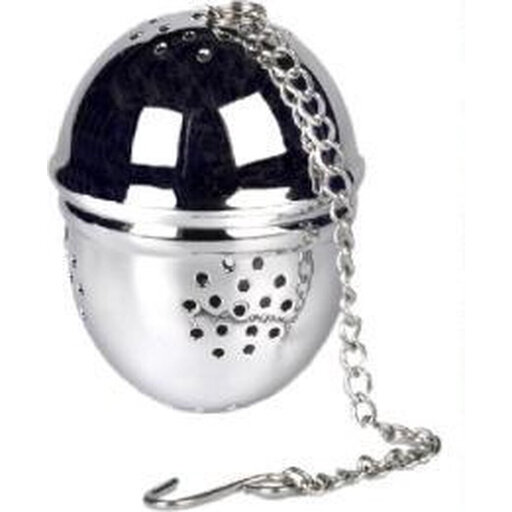
Why this product suits this profile: The round strainer, with its 4 cm diameter, is designed for individual cups and small quantities of tea. Its compact shape is suitable for loose tea at home, in the office or on the go.
The product details specify a fine mesh structure and rust-resistant stainless steel. This provides more specific information about the material and filter design than models without technical details.
Round 4 cm design; intended for use as a tea infuser, leaf filter and reusable tea filter.
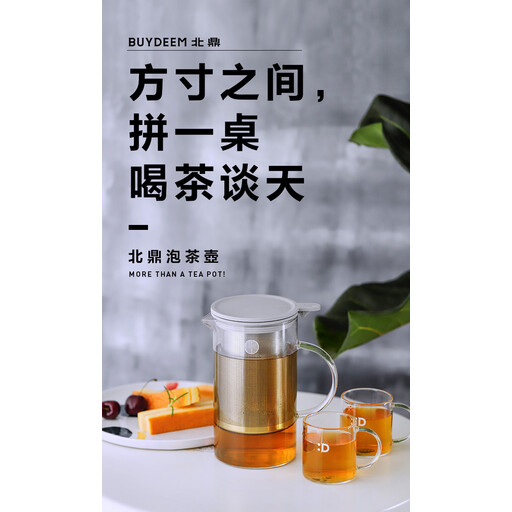
Why this product suits this profile: With a capacity of 800 ml, this teapot is aimed at users who want to prepare several cups at once and prefer an integrated stainless steel mesh.
The filter is integrated into the teapot, so there is no need to find a separate filter with a diameter that fits a larger opening.
800 ml capacity; integrated Stainless-Steel-Mesh filter according to the product name.
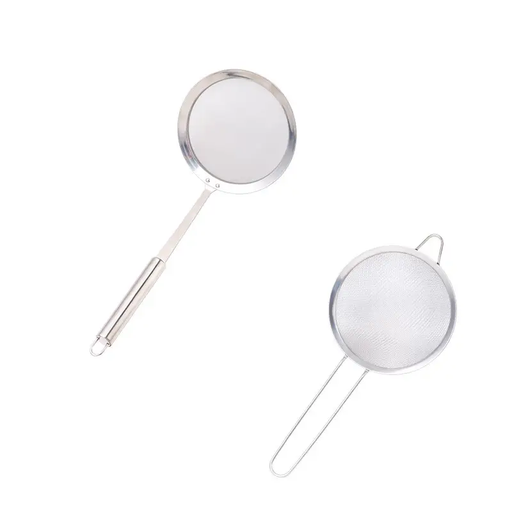
Why this product suits this profile: This two-piece set with fine stainless steel mesh is designed for households that want to filter other liquids or fine ingredients as well as tea.
The product name explicitly mentions 304 stainless steel and a fine mesh. This makes it easier for users to compare the material and filter type before buying.
Two-piece set; 304 stainless steel and fine mesh according to the product name.
We have put together a complete, regularly updated list of products that fully meet these strict selection criteria and the safety regulations applicable in the EU.
Avoid using steel wool and harsh abrasive cleaners. These can scratch the surface or deform a fine mesh. If the supplier does not specify that the product is dishwasher-safe, hand-washing is the more cautious option.
For individual cups, a compact, round strainer with fine stainless steel mesh is a suitable option. With herbal tea, spiced tea or very small tea particles, the mesh should be particularly dense. For several people, a larger filter or a teapot with an integrated filter is more practical.
Its service life depends on the material thickness, construction, cleaning and storage. Stainless steel does not rust quickly under normal conditions. However, prolonged exposure to moisture, harsh cleaning products or mechanical pressure can damage the mesh. A strainer should be replaced if the mesh is permanently deformed, connections become loose or edges are damaged.
Unlike disposable filters, a reusable stainless steel model normally does not involve regular filter paper costs. The expenses to consider are the initial purchase, cleaning and, if necessary, replacement due to wear. For the overall cost, it is also important to consider whether the strainer is suitable for the shape of your cups or teapot and can therefore be used over the long term.