
Lieferung heute & morgen

Qualitätsgarantie

Willkommens-Angebote freischalten: KOSTENLOSE Lieferung | Bis zu 80 % RABATT | Kostenlose 30-Tage-JoyPlus-Testphase
App herunterladen
A stainless steel travel mug should keep your coffee, tea or water close at hand, whether you’re at the office, on the train, studying, exercising or travelling. Many products look similar at first glance, but differences often become apparent only when you check the material details, lid design and cleaning instructions.
Three common buying pitfalls are worth bearing in mind:
Information about the grade of stainless steel can be helpful for everyday use. 316 stainless steel is often associated with greater corrosion resistance. This can be particularly relevant if you use your mug frequently or drink beverages that leave residue, such as sports drinks. However, the material doesn’t eliminate the need for proper care: rinse away any residue after every use.
If you’re considering a 316 stainless steel travel mug, check which parts the description refers to. Some product descriptions specify only the body, while others cover the inside and outside. For plastic lids, it’s also useful to look for information about BPA-free materials and cleaning instructions.
A double-walled design with vacuum insulation can reduce heat transfer in either direction. The actual time a drink stays hot or cold depends on factors such as its starting temperature, the amount of liquid, the surroundings and how often the mug is opened. Only rely on claims about a specific heat-retention time if the manufacturer provides clear details.
A leakproof travel mug is especially useful for commuters and people at work. Look for:
A travel mug with a straw is handy for water or cold drinks if you want to sip without lifting the mug much. For hot drinks, however, a straw is only suitable if the manufacturer specifically says so. For the LocknLock Mermaid Line model, for example, the lid should be securely closed before carrying the mug, and the product description says it isn’t designed for carbonated drinks.
The right size depends on how you plan to use your mug:
A 480 ml travel mug is a good all-rounder for many everyday situations. Check the diameter too: even if the capacity is right, the mug may be too wide for your car’s cup holder or a bicycle basket.
Cleaning is important for hygienic use. According to their product descriptions, several of the products mentioned here are hand-wash only. Use warm water, a mild washing-up liquid and a soft brush. Abrasive cleaners, steel wool and dishwasher programmes not approved by the manufacturer can damage the surface or seals.
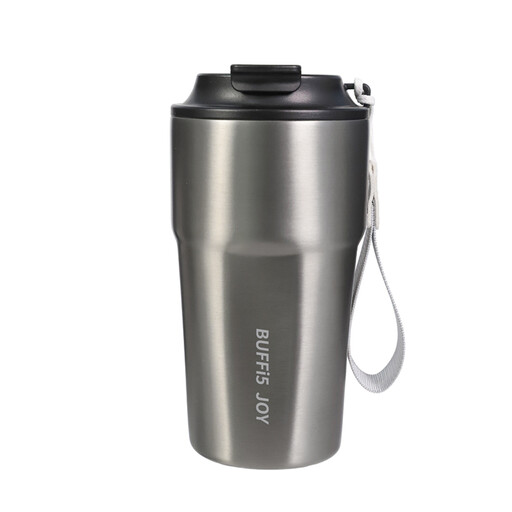
Why this product suits you: Its stated 480 ml capacity is suitable for coffee, tea or water on the go. The 316 Stainless Steel material description gives you a specific detail to consider when choosing.
The product name specifies both its capacity and stainless steel grade, rather than relying on the general term “travel mug”.
480 ml capacity; stated in the product name to be made from 316 stainless steel.
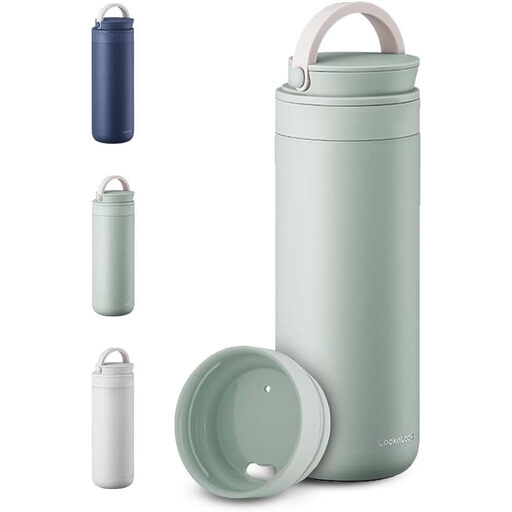
Why this product suits you: Its double-walled, vacuum-insulated stainless steel design and two-way lid will appeal if you want both comfortable drinking and easy cleaning.
The design specifies the lid and drinking-opening options, so you can get a better idea of how drinking, filling and cleaning work before you buy.
475 ml capacity; narrow drinking spout and wide opening for ice cubes and cleaning; integrated handle.
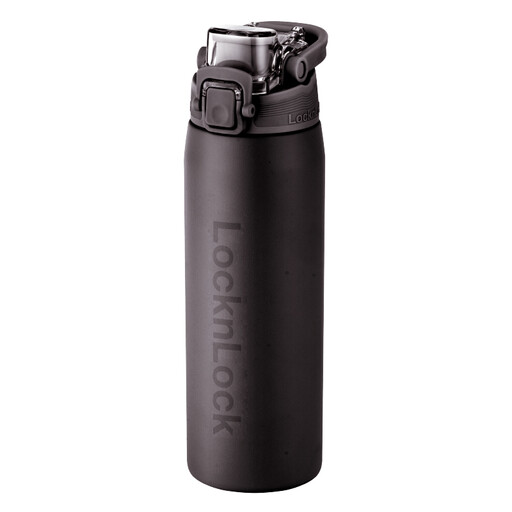
Why this product suits you: With a 720 ml capacity, a straw and a portable design, this model is made for exercise, walks, travel and longer outdoor activities.
The product description sets out clear limits: hand-wash only, no dishwasher and no carbonated drinks. This makes it easier to plan how you’ll use it.
720 ml capacity; stated in the product description to be made from 316 stainless steel; straw and portable design.
We’ve put together a complete, regularly updated list of products that meet these strict selection criteria and fully comply with the safety regulations in force in the EU.
With regular care, a stainless steel travel mug can stay in use for a long time. Rather than relying on a general estimate of its lifespan, check the condition of the lid, seal and inner surface. Before each use, look for cracks, deformation or a damaged seal.
Hot drinks can cause scalds. Don’t fill the mug above the recommended mark, and check that the lid is fully closed before carrying it. These products aren’t suitable for use in a microwave, oven or near direct heat. Carbonated drinks can build up pressure in sealed containers, so only pour them in if the manufacturer specifically says it’s safe to do so.
It depends on the material, insulation, lid and how well you look after it. Without a manufacturer’s guarantee, it’s not possible to give a general figure for how long it will last. Seals and lids may wear out sooner than the stainless steel body, so check them regularly.
The grade alone doesn’t provide a complete guarantee of the quality of the whole product. Look for a clear product description, confirmation that it’s suitable for contact with food, and the manufacturer’s care instructions. If you’re considering a 316 stainless steel travel mug, check whether the description refers to the inside of the mug.
Many models are described as suitable for water, tea, coffee or isotonic drinks. This doesn’t automatically apply to every product. Depending on the lid, carbonated drinks can create a risk of pressure build-up or leaks. Always check the specific safety instructions before using a stainless steel flask or sports water bottle for these drinks.