
Lieferung heute & morgen

Qualitätsgarantie

Willkommens-Angebote freischalten: KOSTENLOSE Lieferung | Bis zu 80 % RABATT | Kostenlose 30-Tage-JoyPlus-Testphase
App herunterladen
A stainless steel water bottle is a daily companion for many people. The decision for a particular model is based on a balance of material properties, functionality, and specific use-case requirements. Selecting the right product involves analysing key technical parameters such as material composition, insulation performance, and lid design. This article highlights the crucial criteria for choosing a stainless steel water bottle and presents a selection of models with different functional focuses.
The functionality of a water bottle is determined by a combination of its material, construction, and design. The following technical aspects are relevant for making an informed purchasing decision.
The primary material, stainless steel, is available in various grades. For food contact, the use of austenitic stainless steel such as 18/8 (Type 304) or Type 316 is standard. These alloys are distinguished by their high corrosion resistance and taste neutrality. Products sold in the EU must comply with Regulation (EC) No 1935/2004 on materials and articles intended to come into contact with food. Declaring a stainless steel bottle as BPA-free is redundant, as the material is inherently free of bisphenol A. However, for lids or seals made of plastic, being BPA-free is a relevant quality feature.
The ability to maintain temperature is a core feature of an insulated bottle or thermal flask. This is typically achieved through double-wall vacuum insulation. A vacuum is created between the inner and outer stainless steel walls, which minimises heat transfer through convection and conduction. Performance is often stated in hours for retaining heat (e.g., >40°C) or cold (e.g., <10°C). These figures should be seen as benchmarks, as they depend on the initial temperature of the beverage and the ambient temperature.
Designing a leak-proof water bottle is an engineering challenge. Its reliability depends on the precision of the thread, the quality of the seal (usually made of food-grade silicone), and the type of lid. Simple screw caps are often very secure, while more complex mechanisms with drinking spouts or safety locks offer added convenience but can also introduce potential points of failure.
For on-the-go use, such as a sports water bottle, a lightweight water bottle is advantageous. The weight is determined by the wall thickness of the stainless steel and the overall construction. Innovative manufacturing processes can reduce weight without compromising stability. Additional features like integrated handles, carrying loops, or a bottle with a phone holder expand its practical utility in daily life.
The following products have been selected for their specific technical features and design to meet a variety of user needs.
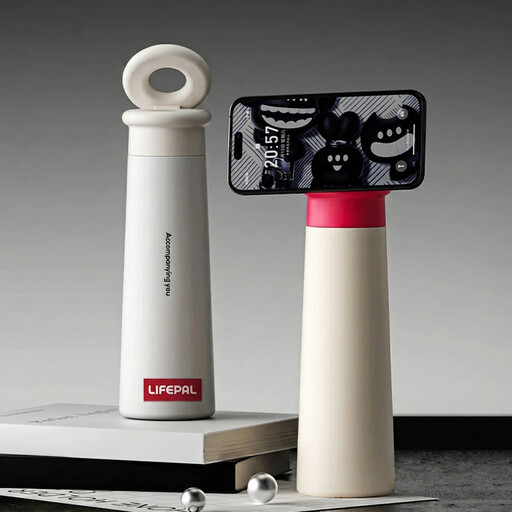
Why we recommend this product: This model combines the function of an insulated bottle with an innovative extra feature. The lid is designed as a magnetic phone holder that works with MagSafe-compatible devices. This addresses the needs of users who consume media or participate in video conferences during workouts, at work, or while travelling. The inner container made of SUS316 stainless steel offers superior corrosion resistance and hygiene.
Pros:
Best for: Individuals seeking a multifunctional water bottle for use in the office, gym, or on the go, who value integrating digital devices into their daily routine.
View Product: LIFEPAL Magnetic Water Bottle
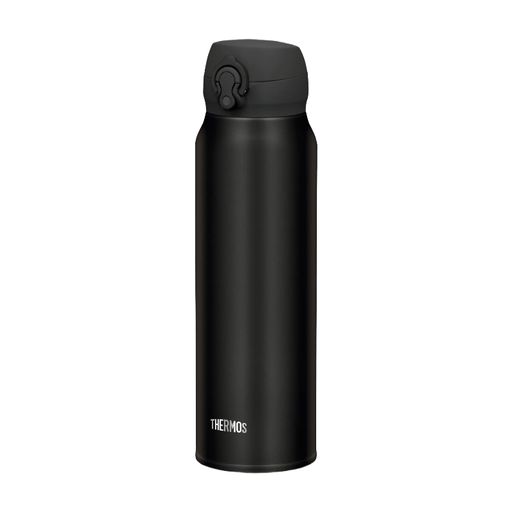
Why we recommend this product: This thermal flask focuses on optimising weight while maintaining high insulation performance. Thanks to a special manufacturing process, the manufacturer claims it is up to 48% lighter than comparable products with the same volume. The "Safe Flow Lid" with a safety lock ensures the bottle remains leak-proof even during vigorous transport.
Pros:
Best for: Active users, commuters, and travellers for whom low weight and high portability are a priority, along with reliable insulation and leak-proofing.
View Product: Ultralight Insulated Drinking Bottle
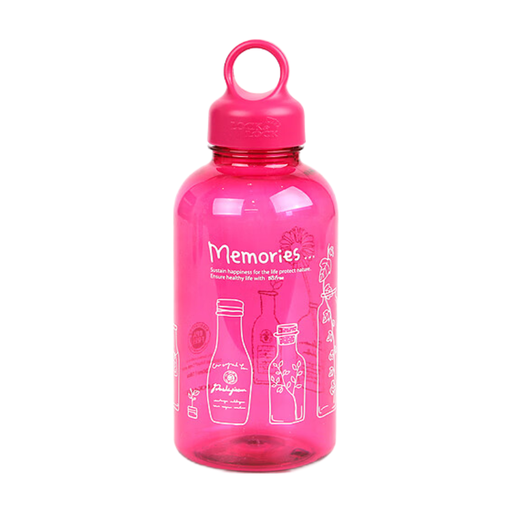
Why we recommend this product: As an alternative to stainless steel, this model made from BPA-free plastic offers specific advantages. It is extremely lightweight, and the transparent body allows for constant monitoring of the fill level. The integrated carrying loop enhances its portability during sports or on the move.
Pros:
Best for: Users looking for a very lightweight, non-insulated, BPA-free water bottle for daily use or sports, who want to keep an eye on their hydration level at all times.
View Product: LocknLock Bisfree Aqua Loop Water Bottle
The selection presented here covers specific use cases. However, the range of water bottles includes a much wider variety of sizes, designs, and materials. For a more comprehensive overview and additional models, you can consult our main category for Water Containers.
1. Is 18/8 (Type 304) stainless steel safe for water bottles? Yes, 18/8 grade stainless steel (referring to the proportions of chromium and nickel), or Type 304, is a food-safe standard widely used in the kitchen and beverage industry. It is corrosion-resistant, does not leach harmful substances into the contents, and does not affect the taste of drinks.
2. How do you properly clean a stainless steel water bottle? For daily cleaning, rinsing with warm water and mild dish soap is sufficient. Many models are dishwasher-safe, which will be noted in the manufacturer's specifications. For a thorough cleaning, especially to remove deposits, you can use special bottle brushes or oxygen-based cleaning tablets. It is important to let the bottle air-dry with the lid off after cleaning to prevent odours.
3. Can you put carbonated drinks in a stainless steel water bottle? This is generally not recommended for insulated stainless steel bottles. The pressure created by the carbonation can build up inside the sealed container and lead to a sudden spray of liquid upon opening or damage the sealing mechanism. Some manufacturers, like LIFEPAL, explicitly mention this in their safety instructions. For carbonated beverages, non-insulated bottles with a simple screw cap that allows pressure to be released slowly are more suitable.