
Lieferung heute & morgen

Qualitätsgarantie

Willkommens-Angebote freischalten: KOSTENLOSE Lieferung | Bis zu 80 % RABATT | Kostenlose 30-Tage-JoyPlus-Testphase
App herunterladen
A stainless steel water bottle can serve you for years at the office, in the car, on your commute or at the gym. But the material isn’t the only thing that matters. The lid, insulation, ease of cleaning and suitability for everyday use all determine whether a bottle remains practical over time.
Terms such as “stainless steel thermal bottle” or “vacuum-insulated bottle” simply indicate a double-wall design with vacuum insulation. How long a drink stays hot or cold depends on factors including the amount of liquid, its starting temperature, the surroundings and how often you open the bottle. Treat manufacturers’ claims as guidelines rather than guaranteed results in everyday use.
If you only carry cold drinks, you don’t necessarily need a bottle that keeps drinks warm. For coffee and tea, however, you’ll need a lid that’s specifically suitable for hot drinks.
A leakproof water bottle will only reliably prevent spills if the seal, lid and drinking spout are all correctly fitted. Straws, flip mechanisms and one-touch lids are convenient, but you should check them regularly for residue and damage. Pressure can build up when you use carbonated drinks. According to the product information, several of the models featured here aren’t designed for them.
A narrow mouthpiece can be convenient when you’re out and about, but it can make cleaning more difficult. With a straw water bottle in particular, you should be able to access the lid, seal and straw separately. What’s more, “dishwasher-safe” doesn’t necessarily apply to every component or override other care instructions. For coated surfaces, hand-washing can help keep them looking good for longer.
For short journeys, 400 to 600 ml is often enough. Bottles this size are easier to fit into bags and some cup holders. If you’ll be out for several hours without being able to refill, consider a 700 to 980 ml bottle. A 1.8-litre bottle is better suited to use at home, in the office or car, or for longer stays somewhere, rather than carrying in your rucksack every day.
As well as capacity, check the height, diameter and empty weight. A large stainless steel water bottle won’t necessarily fit every cup holder.
Terms such as 18/8, 18/10 and STS304 refer to types of stainless steel commonly used for drinkware. Some products also specify 316 stainless steel. However, the material designation alone doesn’t tell you everything about how long a bottle will last. Seals, lids and coatings can also wear out.
Double-wall vacuum insulation reduces heat transfer. Check the specific manufacturer’s claims: selected models, for example, are said to keep drinks cold for up to 10 hours, chilled for up to 24 hours or warm for up to 4 hours. These figures come from the relevant product information.
A fast-flow lid or a straw water bottle can be a good choice for sport and quick sips. For carrying in a rucksack, a screw-top or safety lid that closes securely is often more practical. A carry handle, carabiner or tapered base can make a bottle easier to carry and more convenient to use in the car.
Before you buy, check:
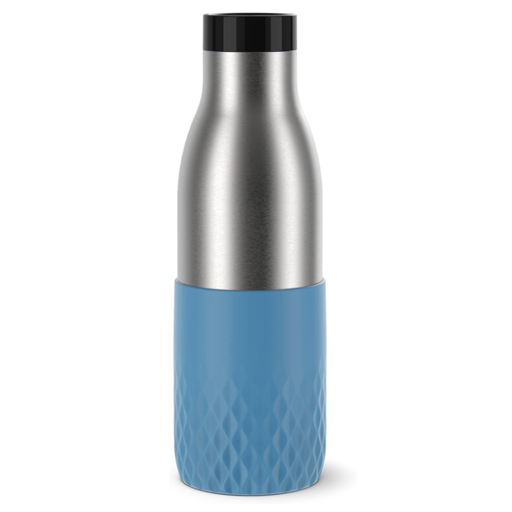
Why it suits this type of user: Its compact 500 ml capacity is ideal for the office, school, short commutes and everyday errands. The Quick-Press-360° lid is designed to be used without unscrewing it completely.
The product information describes a leakproof lid and a dishwasher-safe design, making everyday cleaning less of a chore.
Vacuum insulation, 0.5 l capacity, silicone sleeve and Quick-Press lid, according to the product description.
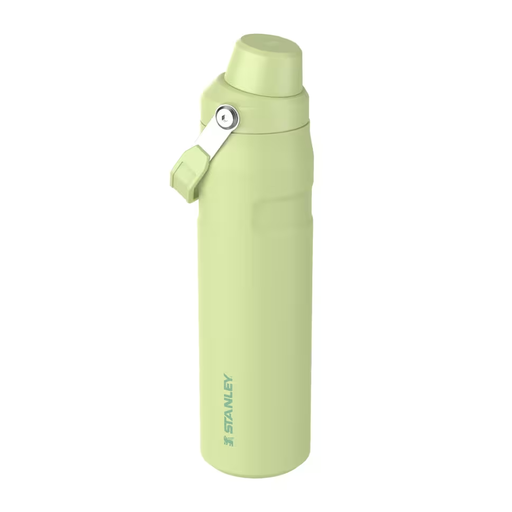
Why it suits this type of user: This stainless steel bottle combines a 600 ml capacity with a fast-flow drinking spout, carry handle and vacuum insulation. It’s designed for sport, commuting and travel with cold drinks.
The product description specifies a removable lid, a wide opening and dishwasher-safe parts. This makes it easier to check the lid and drinking spout.
Double-wall vacuum insulation, 370 g weight and 600 ml capacity. According to the product information, it keeps drinks cold for up to 10 hours and with ice for up to two days.
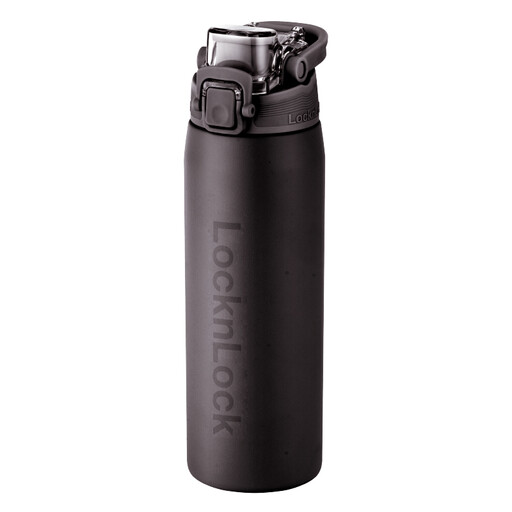
Why it suits this type of user: This 720 ml model is designed for sport, outdoor activities, walks and travel. Its built-in straw lets you drink without lifting the bottle all the way up.
The product information specifically recommends hand-washing and checking the lid before carrying the bottle. This makes the care requirements clear.
316 stainless steel, 720 ml capacity and a straw, according to the product description. It isn’t designed for carbonated drinks.
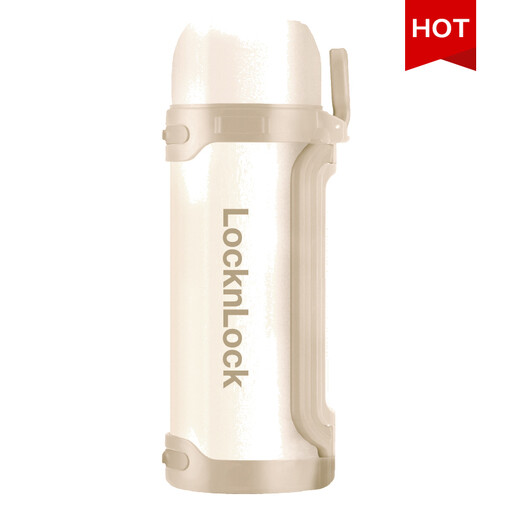
Why it suits this type of user: Its large capacity means fewer refills at home, in the office or in the car. The wide neck makes filling and cleaning easier, while the carry handle helps with transport.
The product information specifically says the wide opening is designed to make filling and cleaning easier. Check that the lid is firmly in place before carrying the bottle.
1,800 ml capacity, 304 stainless steel, a carry handle and a wide bottle neck, according to the product description.
We’ve put together a complete, regularly updated list of products that meet these strict selection criteria and fully comply with the safety regulations in force in the EU.
Rinse a new reusable water bottle thoroughly before using it for the first time. After each use, remove any drink residue and dry all parts that have been opened. A bottle brush can help with narrow openings. Don’t use abrasive cleaners or steel wool, as these can damage the surface.
For a stainless steel water bottle with a straw, clean the straw and seal separately. Check regularly for cracks, warping and signs that the seal is failing. Stop using the product if it’s damaged.
For commuting and office use, 500 to 600 ml is often easy to carry. For sport, walks or longer outings, 700 to 1,000 ml may be a better choice. Bottles with a 1,800 ml capacity are better suited as a supply of water for home, the car or the workplace.
Not all models are. According to the product information, some sports bottles are designed for cold drinks only. If you’re choosing a thermal bottle, check the guidance on temperature, the lid and the risk of burns. A lid designed for cold drinks isn’t automatically suitable for coffee or tea.
Its lifespan depends on the material, lid, seals, care and how often you use it. With proper care, the stainless steel body can last a long time, but seals and lids may wear out sooner. Regular cleaning and following the manufacturer’s instructions can help you avoid replacing the bottle unnecessarily.