What should you look for when buying?
First check that the software can record and export your catalogue data. Then make sure the PC’s form factor, ports and included accessories suit your workspace.
Mini PC
A good fit if: you can set up a compact workspace and already have a suitable monitor.
Things to consider: Check the ports and what’s included with the specific model. The screen, keyboard and mouse are sold separately with the Lenovo offer reviewed.
Tower desktop
A good fit if: you need specific ports, drives or maintenance options for your existing devices or future upgrades.
Things to consider: Compare the specifications of individual offers rather than assuming the form factor alone gives you an advantage.
All-in-one PC
A good fit if: you want to buy the PC and screen together as a complete workstation.
Things to consider: Check in advance that the screen, ports and catalogue software will work together.
| What matters to you |
What to look for |
Who should consider it? |
| Custom fields and software |
Check the field types, export format and supported operating system for your chosen software. |
If you want to use your own field structure and take your entries with you later, compare the software first. Around 31% of consumers put custom catalogue fields first. |
| Images and device connections |
Check image capture, monitor connections and ports for your existing devices. |
If you want to capture stamp images and connect your existing devices, make sure the software and ports fit your workflow. Images and device connections are a priority for around 25% of consumers. |
| Data backup and export |
Find out which files the software saves, whether custom fields can be exported and how to restore a backup. |
If you want to be able to restore your catalogue and images after a fault, plan a separate backup and test the export. Around 25% of consumers prioritise being able to restore their archive. |
| Space and a complete workstation |
Check what’s included against the screen and input devices you already have or still need. |
If you have limited desk space or are setting up a new workspace, check what else you’ll need besides the computer. For around 19% of consumers, space and a complete setup are the main priorities. |
Joybuy products
These mini PCs could be suitable as compact computers for a catalogue workstation. Before buying, check that the software, your devices and what’s included suit the way you plan to use it.
 No image available
HP Z2 Mini G1a Ryzen AI Max+ Pro 395, 128 GB RAM, 2 TB SSD
The mini PC form factor could suit a compact catalogue workstation. Check that the computer meets the requirements of your catalogue software.
Specifications listed in the product name: 128 GB RAM and 2 TB SSD.
Joybuy
 No image available
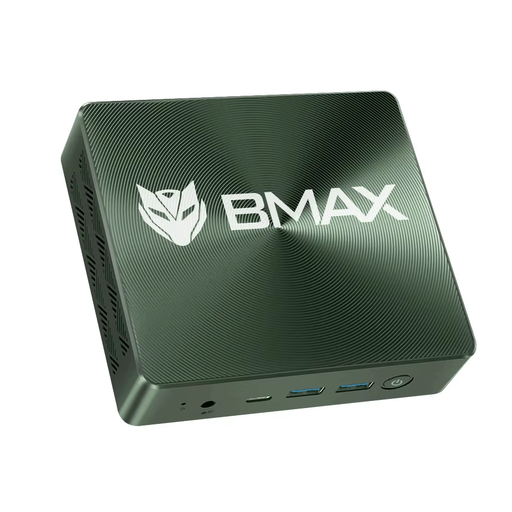
BMAX B6 Pro Mini PC, Intel Core i5-1030NG7
This mini PC could suit a compact catalogue workstation. Check that you can connect your required devices to the specific configuration.
Specifications listed in the product name: 16 GB LPDDR4, 512 GB NVMe SSD, Windows 11 and triple 4K display output.
Joybuy
 No image available
BMAX B6 Mini PC, Intel Core i3-8109U
Its compact design could suit a catalogue workstation with limited desk space. Check your software requirements and how much storage you’ll need.
Specifications listed in the product name: 12 GB RAM, 256 GB SSD, plus HDMI and DP.
Joybuy
 No image available
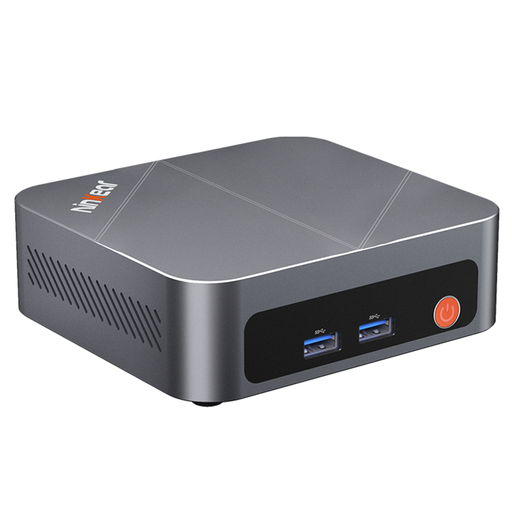
Ninkear M7 Mini PC, Intel Core i7-1185G7
If you’re looking for a compact computer for catalogue software, check that it meets the requirements of your chosen software.
Specifications listed in the product name: 16 GB DDR4, 512 GB SSD, Windows 10/11 and support for three displays.
Joybuy
 No image available
FIREBAT A8 Mini PC, AMD Ryzen AI 9 365
The mini PC form factor could suit a space-saving catalogue workstation. Check that its ports are compatible with your existing devices.
Specifications listed in the product name: 24 GB DDR5 RAM, 1 TB PCIe 4.0 SSD, four 4K displays, USB4 and HDMI 2.1.
Joybuy
Frequently asked questions
Does the PC need to come with specialist stamp software?
No. What matters is that the software supports the fields and export options you want, and runs on the PC. OpenNumismat describes customisable fields and support for Windows, Linux and macOS. Check the requirements for the version you actually choose.
How do I back up my catalogue and images?
Back up the relevant files separately from your PC, then test that you can restore them. The German Federal Office for Information Security describes external storage devices as one way to restore data after a drive failure.
What extra devices do I need for a mini PC?
It depends on what you already have in your workspace and what comes with the specific offer. For the ThinkCentre configuration reviewed, Lenovo lists the screen, keyboard and mouse as sold separately, so check what’s included with the model you’re considering.
Can I connect existing scanners or cameras to capture stamp images?
Check whether your specific devices are supported by the software and whether the PC has the right ports. OpenNumismat describes support for webcams and USB microscopes, but that doesn’t automatically mean a particular scanner will be supported.
Which compliance details should I check when considering a PC?
The German Federal Network Agency lists several things it checks when monitoring the market, including correct CE marking, identifiable manufacturer details, German-language instructions with the required information, and a declaration of conformity. Check the details for the specific device; a product listing alone doesn’t prove that it complies.


