
Lieferung heute & morgen

Qualitätsgarantie

Willkommens-Angebote freischalten: KOSTENLOSE Lieferung | Bis zu 80 % RABATT | Kostenlose 30-Tage-JoyPlus-Testphase
App herunterladen
A stand mixer with a bowl can replace several individual appliances for kneading, mixing and whisking. But unclear power ratings, oversized bowls and unsuitable accessories can easily lead to a poor purchase. If you enjoy baking at home or have a family, don’t focus only on wattage and design. Consider the usable capacity, the attachments included and how easy the mixer is to clean.
A figure such as 1000 watts or 1600 watts initially describes the electrical power consumption, or a maximum or rated power stated by the manufacturer. On its own, it doesn’t tell you how much dough the mixer can handle continuously. You should also consider the motor design, gearing, recommended dough quantity and permitted operating time.
When comparing models, check whether the figure refers to peak power or rated power. For example, the Monsga SM100 is listed with 1000 watts peak power and 600 watts rated power. For yeast dough, a dough hook and a low to medium speed setting are also essential.
A stand mixer with a 6-litre bowl offers plenty of room for larger batches, but you shouldn’t fill the bowl to the brim. The Monsga SM100 has a maximum bowl capacity of 6.0 litres, but a recommended usable capacity of 5.0 litres. The Ariete 1589 Moderna has a 5.5-litre bowl and a maximum dough quantity of 1.40 kilograms.
So, when choosing a mixer, check these three figures:
A stand mixer can only be used for a range of tasks if it comes with the right attachments. A dough hook, flat beater and whisk are useful essentials. A splash guard helps reduce flour dust and liquid splashes. Cleaning also matters in everyday use: the bowl and accessories should be easy to remove and, where approved by the manufacturer, listed as dishwasher-safe kitchen appliances or dishwasher-safe parts.
A stand mixer for kneading needs a controllable low speed so that firm dough isn’t heated too much or pushed out of the bowl. Cream and egg whites, on the other hand, call for a higher speed and a whisk. The number of settings is useful, but it isn’t the only thing that matters: eight clearly differentiated speeds may be enough for everyday use, while a higher number doesn’t automatically mean better results.
According to the product information, the Ariete 1589 Moderna has 1600 watts and 11 speed settings. The Monsga SM100 is listed with 1000 watts peak power, 600 watts rated power and eight settings. Always consider these figures alongside the recommended dough quantity.
Stainless steel stands up to many common kitchen ingredients and is easier to clean when approved by the manufacturer. A handle makes the bowl easier to pour from and move. For heavy doughs, a sturdy body, non-slip feet and a bowl-locking mechanism that secures firmly are also important.
A tilting motor head makes it easier to switch between the dough hook, flat beater and whisk. When the mixer is running, always keep your hands, cutlery and clothing away from moving parts.
A stand mixer with a splash guard is particularly useful for batters, cream or adding flour. The splash guard should sit securely on the bowl and have an opening for adding ingredients in a controlled way. However, accessories aren’t universally compatible. A KitchenAid splash guard for large bowl-lift models with capacities of 6.6 to 6.9 litres won’t automatically fit other KitchenAid ranges or stand mixers from other brands.
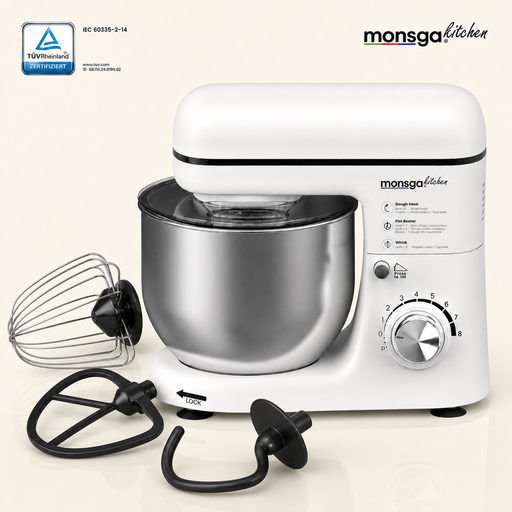
Why this product suits this profile: With a 6.0-litre bowl, eight speed settings and attachments for kneading, mixing and whisking, it’s suited to households making a range of everyday recipes.
The specifications distinguish between 1000 watts peak power and 600 watts rated power. The recommended usable capacity of 5.0 litres is also stated.
Stainless steel bowl, eight speed settings, dough hook, whisk, flat beater and splash guard.
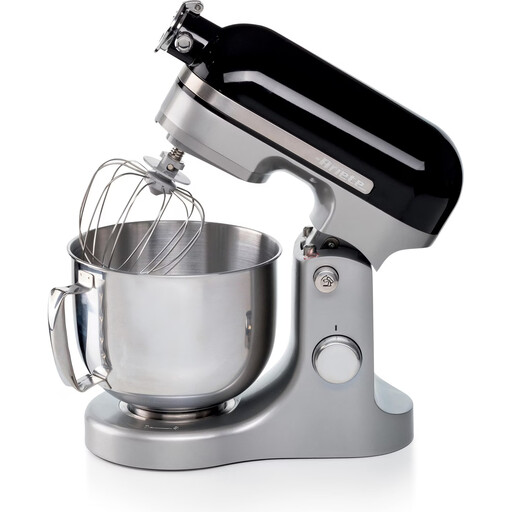
Why this product suits this profile: For anyone who prefers adjustable settings and clearly stated capacity limits, this model offers 11 speed settings and a specified dough capacity.
Alongside the 5.5-litre bowl capacity, the product specifications state a maximum dough quantity of 1.40 kilograms. This makes it easier to understand the load limit.
1600 watts, 11 speed settings, 3D planetary mixing system and dishwasher-safe parts, according to the product description.
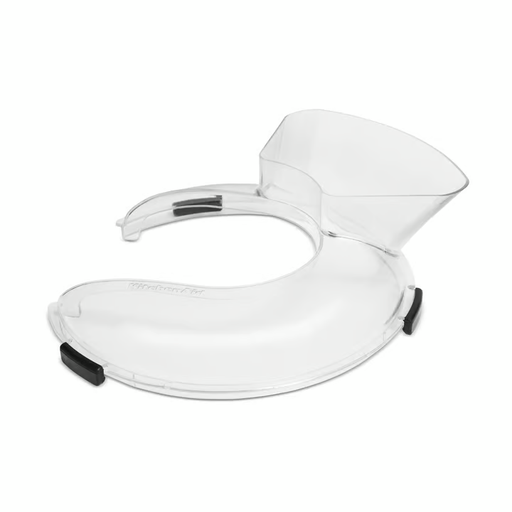
Why this product suits this profile: This accessory is designed for owners of large KitchenAid bowl-lift models who want to reduce flour dust and splashes while mixing.
It is designed for large KitchenAid bowl-lift models with capacities of 6.6 to 6.9 litres. Check that it is compatible with your model before buying.
Transparent plastic, integrated ingredient opening and dishwasher-safe, according to the product information.
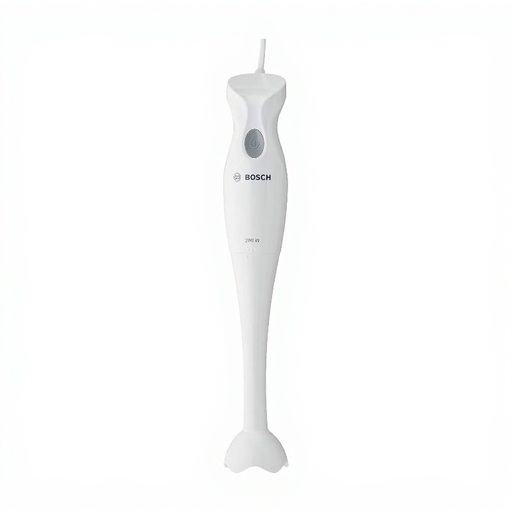
Why this product suits this profile: If you often make small portions of soup, sauces or purées, you may not always need a large stand mixer with a bowl.
Weighing 0.6 kilograms, this hand blender is designed for direct use in a tall container. The accessories are dishwasher-safe, according to the product information, but the motor unit isn’t.
280 watts, turbo button, splash guard and removable blending foot with stainless steel blade.
We’ve put together a complete, regularly updated list of products that meet these strict selection criteria and the safety regulations in force in the EU.
For regular baking in larger batches, around 5 to 6 litres is practical. However, the recommended usable capacity is what matters most. With heavy doughs, the permitted dough capacity may be well below the bowl’s total volume.
There’s no single wattage that’s right for everyone. Consider the rated power, recommended dough quantity, dough hook, speed control and operating time together. A higher wattage figure is no substitute for checking the manufacturer’s limits.
A hand mixer is suitable for smaller quantities, cake batters or cream. A hand blender is designed for soups, sauces and purées. For larger quantities, firm yeast dough and hands-free mixing, a stand mixer with a bowl offers a different type of appliance and a wider range of functions.