
Lieferung heute & morgen

Qualitätsgarantie

Willkommens-Angebote freischalten: KOSTENLOSE Lieferung | Bis zu 80 % RABATT | Kostenlose 30-Tage-JoyPlus-Testphase
App herunterladen
A high-quality stand mixer can be the heart of any kitchen, significantly simplifying the preparation of doughs, creams, and many other dishes. But the market is cluttered and full of marketing promises that often obscure more than they clarify. Many home bakers and cooking enthusiasts invest in an appliance that fails to meet their needs after a short time or becomes unusable due to hidden defects.
As your Joybuy Product Recommendation Officer, I'll help you identify these pitfalls. Instead of falling for exaggerated advertising, we'll focus on the objective features that define a durable and functional stand mixer.
Before we dive into the key performance features, let's shed light on the typical problems that can lead to frustration and a bad purchase.
To make an informed decision, you should focus on three core areas. These determine whether a stand mixer is right for your needs.
The heart of any stand mixer is the drive unit. A planetary mixing action is standard today, ensuring the attachment not only rotates on its own axis but also travels along the edge of the bowl. This ensures all ingredients are captured and mixed evenly.
Pay attention to the motor type:
A robust metal gearbox is more durable than one with plastic parts and transfers power more efficiently from the motor to the stand mixer accessories.
The size of the bowl determines the quantities you can process. For an average household that regularly bakes cakes or bread for the family, a mixing bowl with a volume of 4.5 to 6 litres is a good choice.
Some models also offer bowls with handles, which makes handling them much easier.
A good stand mixer only becomes versatile through its attachments. The standard set usually includes:
Pay attention to the material quality. Attachments made of solid stainless steel or with a certified non-stick coating (e.g., Teflon) are easier to clean and more durable than basic, uncoated aluminium versions.
Instead of making a one-size-fits-all recommendation, we have selected models that suit different needs and budgets.
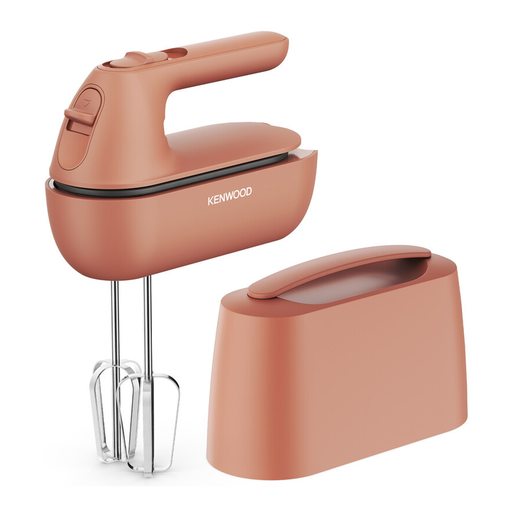
Why it's a good fit: For those who mainly prepare batters and whipped cream and don't have space for a large machine, a powerful hand mixer like this is ideal. It's compact, quick to grab, and handles basic tasks reliably.
This model focuses on its core competency. The 350-watt motor is designed for the tasks of a hand mixer. The stainless steel attachments are robust, and all accessories can be stored in a practical pouch, which counteracts the problem of lost or low-quality accessories.
The all-in-one storage system keeps the unit, hooks, cord, and measuring spoons together. The 5 speed settings allow for precise control.
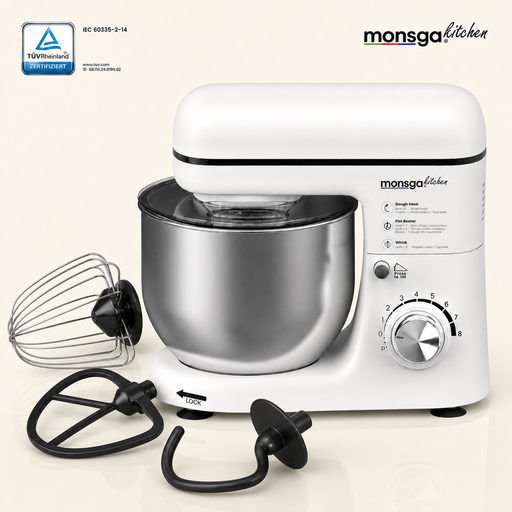
Why it's a good fit: Anyone who regularly prepares heavy doughs for bread or pizza needs a powerful dough machine with a large capacity. This model offers the necessary power and stability for demanding recipes.
It directly addresses the pitfall of inferior accessories by including Teflon-coated dough hooks and flat beaters, which reduce dough sticking. The four silicone suction feet ensure a stable base and prevent the machine from "walking."
The combination of a 1000-watt motor, a large 6.0-litre stainless steel bowl, and the planetary mixing system allows for processing large quantities. The noise level remains below 75 dB, according to the manufacturer.
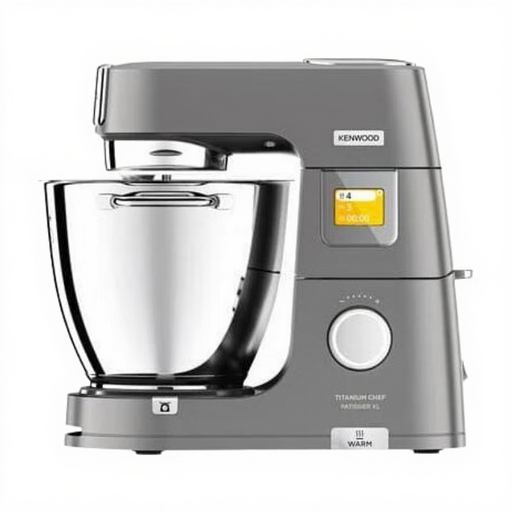
Why it's a good fit: For users who not only bake but are looking for a versatile kitchen hub. This appliance combines high performance with smart features like an integrated scale and heating function, simplifying the entire preparation process.
Here, the high wattage (1400 W) is meaningfully used for additional functions like the EasyWarm heating function, rather than just serving as an empty marketing promise. The robust construction and high-quality stainless steel patisserie set bypass the problems of instability and inferior accessories.
The integrated scale and timer allow for precise work directly in the bowl. Two bowls (7L and 5L) and a meat grinder are included, maximizing versatility.
We have compiled a complete, up-to-date list of products that fully meet these strict selection criteria and safety standards.
1. How many watts should a good stand mixer have? Wattage alone is not a meaningful indicator. A high-quality machine with an efficient direct current (DC) motor often only needs 300 to 500 watts to powerfully knead heavy doughs. Focus on the motor type, gearbox quality, and objective product descriptions regarding suitability for heavy doughs, rather than on a high wattage figure.
2. What is the difference between a stand mixer and a hand mixer? A hand mixer is a compact, portable device that is well-suited for lighter tasks like whipping cream or mixing cake batter. A stand mixer is a stationary appliance with its own bowl (stand mixer with bowl) and a more powerful motor. It is designed for kneading heavy doughs and processing larger quantities, allowing for hands-free operation.
3. Can you knead heavy doughs like bread dough in any stand mixer? No. More affordable models with weak motors or plastic gearboxes can overheat or be damaged when processing firm doughs. For regular bread baking, a machine with a robust motor (preferably a DC motor), a metal gearbox, and a sturdy housing is required. Pay attention to the manufacturer's specifications for maximum dough capacity.