
Lieferung heute & morgen

Qualitätsgarantie

Willkommens-Angebote freischalten: KOSTENLOSE Lieferung | Bis zu 80 % RABATT | Kostenlose 30-Tage-JoyPlus-Testphase
App herunterladen
A stand mixer should be able to do more in everyday life than just purée soft fruit. Depending on the model, you can make smoothies, shakes, soups, sauces, baby food, cocktails or crushed ice. However, the product specifications vary considerably: wattage, jug size and blade shape alone don't tell you whether a kitchen mixer will suit your own habits.
A 1000-watt stand mixer sounds like it has plenty of power in reserve. But in practice, blade geometry, torque, jug shape and the maximum operating time also matter. A 500-watt appliance can be sufficient for soft ingredients, shakes and smaller portions. If you regularly crush ice, frozen fruit or hard ingredients, you'll need additional information about the blade technology and usage limits.
A 2.1-litre jug doesn't automatically hold 2.1 litres of liquid ingredients. With the Ninja Professional Blender, for example, the maximum liquid capacity is stated as 1.9 litres. If you go above the mark, liquids can leak out or reach the motor area. For families, a larger jug is worthwhile, while single users will need less space with a compact smoothie maker.
Not every jug is equally easy to clean. Removable blades, dishwasher-safe parts and an automatic cleaning function all reduce the effort. If you prefer a mixer with a glass jug, you should consider the extra weight and the risk of breakage. A BPA-free mixer, on the other hand, can be made from Tritan or polycarbonate. What matters are the specific material details from the manufacturer, not just the label used in advertising.
The wattage describes the electrical power consumption, not directly the blending result. For occasional smoothies and soft ingredients, 500 to 650 watts can be enough. If you regularly process frozen fruit, nuts or ice, you should look for a suitable blade arrangement, a pulse function and specific usage instructions.
A stand mixer with a pulse function works in short bursts. This can be helpful for coarse chopping or adjusting the consistency. Some appliances limit the duration of a single run. With the Ninja Professional Blender, for example, a maximum continuous running time of 60 seconds is stated. Such guidelines should be followed to avoid overheating.
For a household with several people, 1.5 to 2.1 litres is generally practical. Single portions are more convenient to make with a separate takeaway cup. Important features include:
Hot liquids require particular care. Different models have different temperature limits. With the Dreame BlendLogic Blender, for example, it states that you should not process liquids above 60 °C. The Ninja manufacturer explicitly warns against hot liquids. The instruction manual for each appliance is therefore the definitive guide.
Four stainless steel blades can be sufficient for everyday blending tasks. Multi-layered blade arrangements are designed differently for hard ingredients, but they don't replace the need to follow the fill and running time guidelines.
An ice-crush function is useful for frozen drinks, crushed ice and certain dessert recipes. It doesn't mean you can process any amount of ice without liquid. For cleaning, removable blades, dishwasher-safe accessories or an auto-clean programme are helpful. The motor base must never be immersed in water.
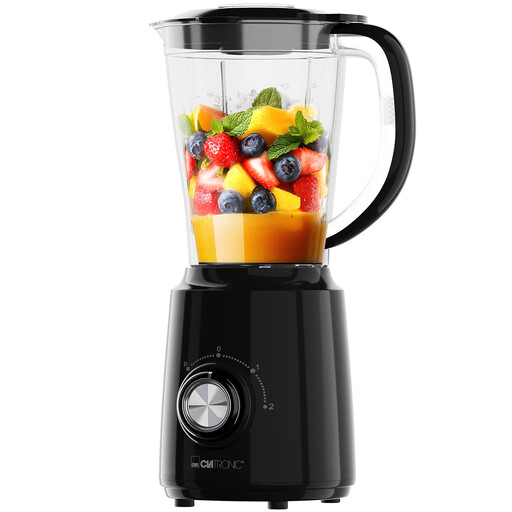
Why this product suits the profile: The 1.5-litre stand mixer is ideal for everyday smoothies, shakes, sauces and soft ingredients. The four speed settings offer simple manual selection.
The product data clearly states the jug volume, BPA-free material, removable stainless steel blades and a pulse or turbo function.
1.5-litre jug, ice-crush function and safety cut-out; the blades are removable for cleaning.
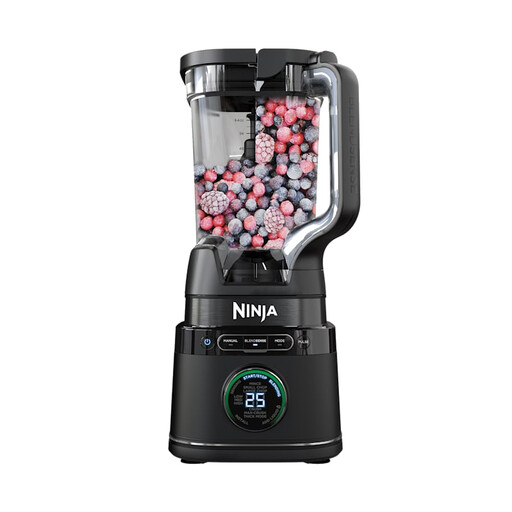
Why this product suits the profile: The large jug is designed for families, meal-prep households and users who want to make several portions in one go.
The product description distinguishes between 2.1 litres of jug volume and 1.9 litres of maximum liquid capacity, and states a running time limit.
1000-watt motor, six stainless steel blades, three speeds plus pulse function, and BPA-free, dishwasher-safe parts.
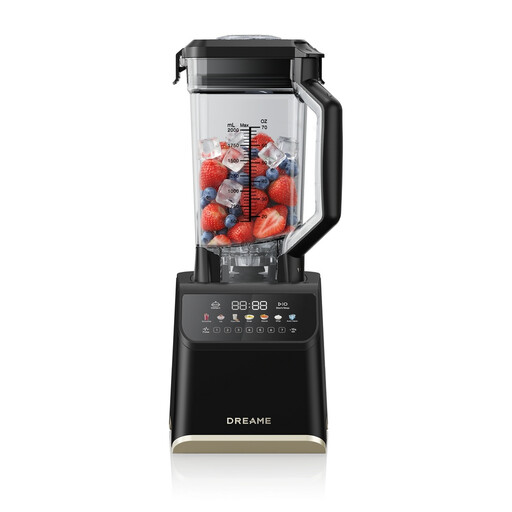
Why this product suits the profile: The combination of a large jug, takeaway cup and multiple programmes is aimed at households with varied recipes and regular use.
The description lists nine programmes, seven speed settings, a maximum temperature of 60 °C and an automatic cleaning function.
2000 watts, 2.0-litre jug, 700-ml takeaway cup, eight stainless steel blades and BPA-free Tritan jugs.
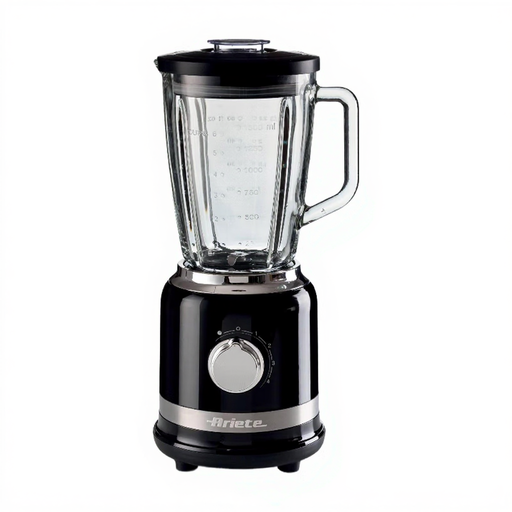
Why this product suits the profile: The 1.5-litre glass jug and classic operation with four settings appeal to users who value visible fill levels and a traditional material.
The technical specifications list the glass jug, four stainless steel blades, four speeds, pulse function and ice-crusher function individually.
1.5-litre glass jug, 1000-watt power, dishwasher-safe components and non-slip feet.
The electricity costs of a stand mixer depend on the power, running time and frequency of use. An appliance with a higher wattage consumes more energy for the same running time; short blending intervals can limit the actual consumption. For the lifespan, appropriate portion sizes, breaks between runs and regular cleaning are more important than the highest possible power rating.
After each use, any residue around the blade area should be removed. With removable parts, this makes inspection easier. Accessories should only go in the dishwasher if the manufacturer explicitly states this is allowed. Damaged jugs, lids or blades should not be used further.
We have put together a complete, regularly updated list of products that fully meet these strict selection criteria and the safety regulations in force in the EU.
For soft ingredients and occasional smoothies, 500 to 650 watts can be enough. For frequent crushing of ice, frozen fruit or hard ingredients, models from around 1000 watts are a possible choice. Blade shape, jug and operating limits should also be checked.
Only if the manufacturer explicitly allows it. Many appliances warn against hot liquids, because steam can build up pressure inside the sealed jug. The temperature limit and the instructions in the user manual are binding.
It's not possible to give a fixed lifespan across the board. It depends on the frequency of use, the ingredients, cleaning and adherence to the operating times. Overfilling, running dry and long continuous running times can put more strain on the motor and blades.