Course participants focusing on cake batter
If you mainly want to mix cherry cake batter, look for a suitable beater and make sure the stated mixing capacity matches your recipe.


For cherry cake batter at a weekend baking course, choose a stand mixer with a beater or flat beater suited to your recipe and a stated capacity that matches the quantity you plan to make. If your course involves several stages, a second bowl, scales or a timer may influence your choice. If space is limited, consider the mixer's footprint and the room needed to use it, as well as the recipe quantity. For the specific product, also check the relevant EU requirements and whether the parts that come into contact with food are suitable.
If you mainly want to mix cherry cake batter, look for a suitable beater and make sure the stated mixing capacity matches your recipe.
If you’re working through several stages in sequence or at the same time, a second bowl, built-in weighing and how easily the machine can be cleaned between batches may all influence your choice.
If you need to set up or store the mixer in a small teaching kitchen, compare its dimensions and the room needed to use it with the quantity of batter you plan to make.
| Buying consideration | What to check | Who is it particularly important to? |
|---|---|---|
| Beater and mixing control | Full model number, whether a beater or flat beater is included, and adjustable speed settings. | When I’m making cherry cake batter, I want to use the right beater and be able to set the speed to suit the recipe. Around 33% of consumers put the beater and mixing control first. |
| Recipe quantity per batch | The weight of the batter in your recipe and the manufacturer's stated capacity for that type of batter and exact model. | When I’m making several portions for a course, I want to know whether the planned recipe quantity will fit in one batch. Around 27% of consumers prioritise batch capacity. |
| Course workflow and cleaning | What's included, bowl compatibility and care instructions for each part. | When preparing several batches in a row, I look at how weighing, changing bowls and cleaning can be organised. Around 20% of consumers put workflow and cleaning first. |
| Counter space and storage | Check the appliance's dimensions, the space needed for filling and operating it, and the permitted batter capacity. | In a small teaching kitchen, I want to be able to set up the mixer without losing sight of the recipe quantity. Around 20% of consumers prioritise the space it takes up. |
Manufacturers distinguish between a bowl's capacity and the maximum quantity for a particular type of batter. The bowl's capacity in litres alone therefore won't tell you whether your recipe will fit in one batch.
Weigh the batter for one batch of your recipe and compare it with the manufacturer's stated capacity for the relevant type of batter and exact model.
If the recipe quantity is too large, making extra batches and cleaning up afterwards can take more time.
Extra bowls and specific beaters aren't automatically included with every version in the same range. What matters is the full model code and what's actually included.
Before buying, check the model number, the bowls and beaters included, and whether they are compatible.
If a part you need isn't included, check whether it is available separately and compatible with that version.
As well as space for the mixer itself, allow room to add ingredients and operate it, and check the batter capacity stated for that model.
Measure your worktop and the space needed to use the mixer, then compare the recipe quantity with the permitted batter capacity.
If your recipe quantity is too large, you may need to work in several batches.
The MUM58258 is specified for preparing cake batter.
The KVC85.124SI and Go KZM35.000GY cater for different course requirements.
The Artisan 5KSM175PSECA is one option if you want a set with different beaters and a second bowl.
According to the manufacturer, the KM 3898 combines features for several stages of preparation.
This selection includes stand mixers for mixing batter and handling different stages of a baking course. Before using a product during your course, check the relevant requirements for the specific item and make sure the parts that come into contact with food are suitable.
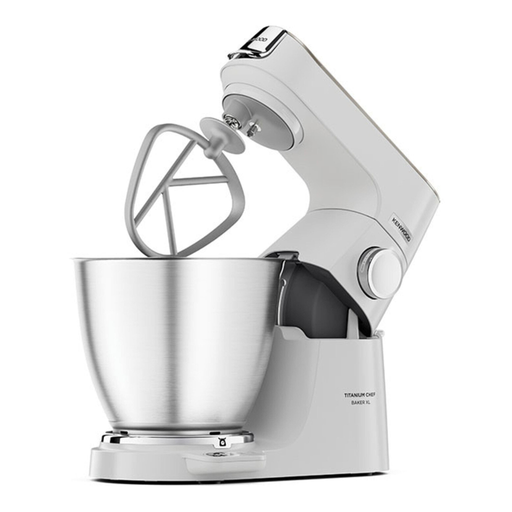 No product image available
The integrated scale is a useful feature for stages where you want to weigh ingredients directly in the machine.
Specifications include a 7-l bowl and a three-piece patisserie set.
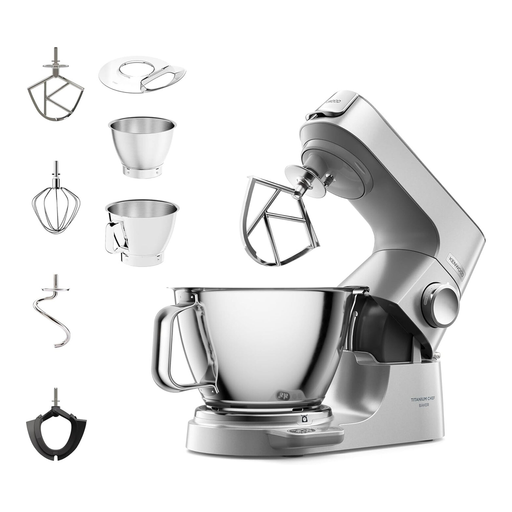 No product image available
If you plan to prepare separate batches, check whether the version on offer includes the bowls and beaters you need.
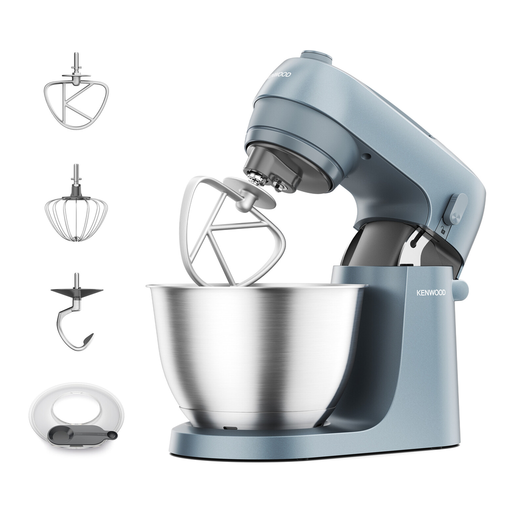 No product image available
If space is tight in your teaching kitchen, compare the dimensions of this version with your worktop and check that its batter capacity suits your recipe.
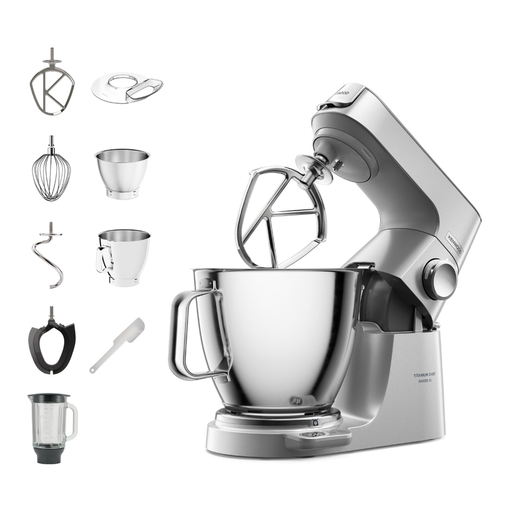 No product image available
If you have several stages of preparation, check exactly which bowls and beaters are included with this model variant before buying.
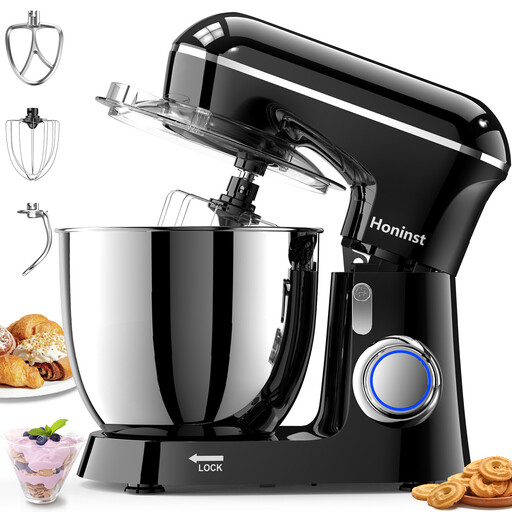 No product image available
The product name lists a whisk and beater, along with ten speed settings for different mixing stages.
It is described as intended for home use; check whether that suits your course.
Follow your recipe and the instructions for the specific appliance. KitchenAid describes the flat beater as suitable for cake batter. Separately whisking egg whites or carefully folding ingredients in may require a different method.
No. Compare the weight of your recipe batter with the manufacturer's stated capacity for the relevant type of batter and full model, rather than treating the bowl's capacity in litres as equivalent to the batter's weight in kilograms. For example, Bosch lists a 3.9-l bowl and capacity for up to 2.7 kg of cake batter for the MUM58258.
Switch off the appliance and unplug it before cleaning. For the Severin KM 3899, the manufacturer lists removable parts as dishwasher-safe and advises against immersing the motor unit. Check the care instructions for each part and model individually.
The German Federal Institute for Risk Assessment advises against eating cake batter or other doughs uncooked and recommends good kitchen hygiene. Flour can be a potential source of germs.
For electrical appliances covered by the relevant EU rules, the manufacturer uses the CE marking to declare that the requirements have been met; it is not an independent performance test. Parts that come into contact with food must meet the requirements for food contact materials. The German Federal Office of Consumer Protection and Food Safety notes that a visible glass-and-fork symbol is not always required on items clearly intended to come into contact with food.
That depends on the activities involved; the term “weekend course” alone does not establish whether the event is private or commercial. The Berlin Service Portal outlines requirements for food hygiene instruction for certain types of work in the food sector. If you’re running a commercial course, check the specific requirements with your local authority.