Which stand mixer suits you

Weekday bakers making cake batter

If your doughnut recipe doesn’t need proving, look for a suitable beater and check how easy the parts are to clean after repeated use. The Federal Centre for Nutrition gives cake batters as an example of mixtures that don’t need proving.

Preparing yeast doughnuts

If you’re making yeast dough for several lunchboxes, check that a dough hook is included and that the stated maximum capacity for that type of dough suits your recipe. Bosch and Severin publish capacity figures for individual models.

Kitchens with limited worktop space

If your mixer needs to fit in among other prep tasks, compare its dimensions and allow space for using it and storing its accessories. IMTEST assesses stand mixers on factors including ease of use, changing attachments and cleaning.

What to look for when buying

Cake-batter doughnuts

A good fit if: Your recipe uses a mixed batter that doesn’t need proving, and you usually make smaller batches.

Consider: A large bowl or a wide range of kneading accessories isn’t necessarily an advantage when making small batches of cake batter.

Yeast doughnuts

A good fit if: Your recipe needs kneading and you regularly make larger batches.

Consider: Check the total quantity in your recipe against the stated yeast-dough capacity. Scales or a timer won’t shorten proving time.

What matters when buying What to check Who it matters most to
The right attachment Check whether a flat beater or whisk and a dough hook are included, using the full model number. If you switch between cake batter and yeast dough depending on the recipe, make sure the right attachment is actually included. Around 33% of consumers focus on the type of dough and the attachment needed for it.
Batch size Compare the quantity in your recipe with the stated capacity for that type of dough. Bowl capacity isn’t the same as dough capacity. If you’re preparing several lunchbox portions, the stated capacity needs to suit your batch. Around 25% of consumers pay particular attention to batch size and the maximum dough quantity.
Preparation and cleaning Check whether scales, a timer and dishwasher-safe parts are available on the specific model and for each part you need. If you regularly weigh ingredients and clean up on weekdays, a practical routine matters. Around 25% of consumers prioritise keeping extra steps to a minimum.
Space and ease of use Compare the appliance’s dimensions and the space needed to use it with your worktop and available storage. If your kitchen has little free space, the mixer and its accessories should be easy to fit into your everyday routine. Around 17% of consumers pay particular attention to worktop space and storage.

Common buying assumptions

  • Assuming bowl capacity equals yeast-dough capacity

    The stated maximum quantity can vary by model and type of dough. So a large bowl doesn’t prove that the mixer can handle the amount of yeast dough you want to make.

    Compare the total quantity in your recipe with the capacity stated specifically for yeast dough or cake batter on the model you’re considering.

    If your recipe makes too much dough, you may need to knead it in several batches, adding time and cleaning.

  • Confusing accessory lists with what’s included

    If you make doughnuts regularly, check whether the beater or dough hook you need is actually included with the version you’re buying. Attachments listed as optional extras aren’t automatically included.

    Before buying, compare the full model number and included accessories with your recipe.

    If an attachment you need is missing, you may have to buy it separately.

  • Confusing quick dough preparation with safe storage

    A stand mixer doesn’t affect how a filling should be handled during storage and transport. The German Federal Institute for Risk Assessment recommends keeping perishable foods as cold as possible until they’re eaten.

    Consider the filling and transport conditions separately from your choice of appliance, and plan for suitable refrigeration if needed.

    Perishable fillings may need to be kept chilled during transport and storage.

Key brands at a glance

Bosch

The MUM56340 is a documented option for cake batter and yeast dough; the specifications apply to this particular version.

  • Bosch states that the 3,9-l bowl can handle up to 2,4 kg of cake batter and 1,7 kg of yeast dough. A stirring beater, whisk and dough hook are included.
  • According to Bosch, the MUM56340 doesn’t have built-in scales. These features can’t be assumed to apply to other MUM versions.

Severin

According to Severin, the KM 3898 combines dough-making attachments with built-in scales and a timer.

  • Severin lists a dough hook, flat beater and whisk for this model, and states a maximum yeast-dough capacity of 1,5 kg.
  • The features and capacity apply to the KM 3898, not the entire range.

Kenwood

The Titanium Chef Baker KVC65.001WH is a documented option with built-in scales and variable speed control.

  • Kenwood lists EasyWeigh, Soft Start and a folding function for this model.
  • Check the accessories included and the permitted dough quantity for your doughnut recipe on the specific version you’re considering. The manufacturer’s claims about saving time or preventing splashes aren’t independent test results.

KitchenAid

The Artisan 5KSM125EER is a tilt-head model with a selection of basic mixing attachments.

  • KitchenAid lists a 4,7-l bowl, whisk, flat beater and dough hook for this version.
  • Bowl size alone doesn’t prove that the mixer can handle every quantity of yeast dough. Other Artisan packages may include different accessories.

Joybuy product selection

This selection includes stand mixers with stated mixing or kneading attachments for making doughnut dough. Check that the capacity of each model suits your recipe.
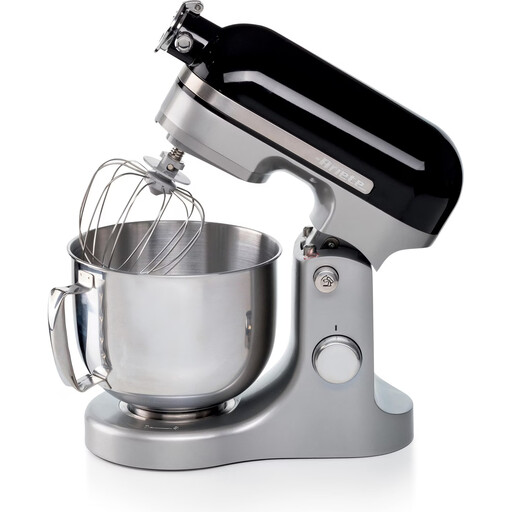
Ariete 1589 Moderna stand mixer, black

Ariete 1589 Moderna, 1600 W, 5,5-l bowl

A flat beater is listed for cake batter, along with a dough hook.

11 speed settings; stated dough capacity: 1,4 kg. The description says that the parts are dishwasher-safe.

View at Joybuy
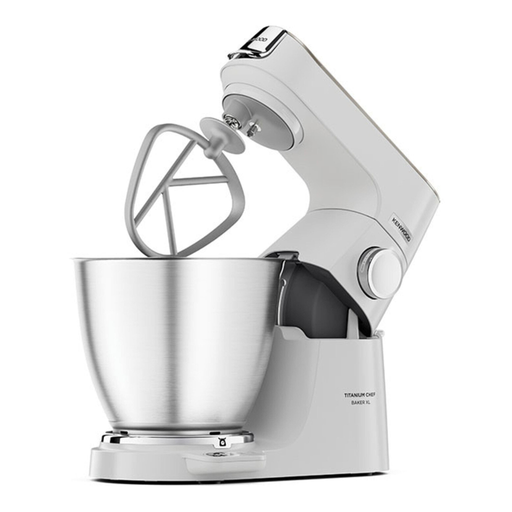
Kenwood Titanium Chef Baker XL KVL65.001WH, white

Kenwood Titanium Chef Baker XL KVL65.001WH, 7 l

The description lists a K-beater, Flexi beater and dough hook for mixing and kneading.

Built-in EasyWeigh scales; 1200-W motor; 7-l bowl.

View at Joybuy
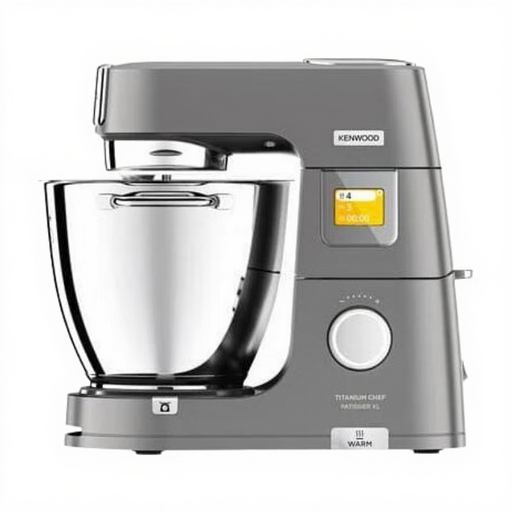
Kenwood Titanium Chef Patissier XL KWL90164SI, silver

Kenwood Titanium Chef Patissier XL KWL90164SI

The description lists mixing and kneading functions, as well as a patisserie set.

Built-in scales and timer; 7-l and 5-l bowls.

View at Joybuy
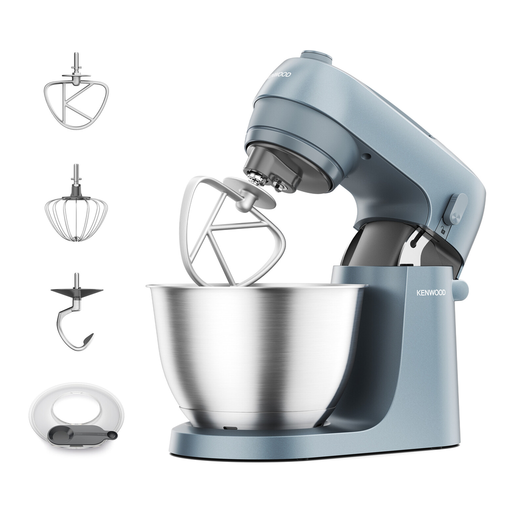
Kenwood Go KZM35000GY, blue

Kenwood Go KZM35000GY, blue

A K-beater, whisk and dough hook are listed for mixing and kneading.

Six speeds and pulse function; stated maximum cake mixture capacity: 1,8 kg. The description gives the appliance height as 30 cm.

View at Joybuy
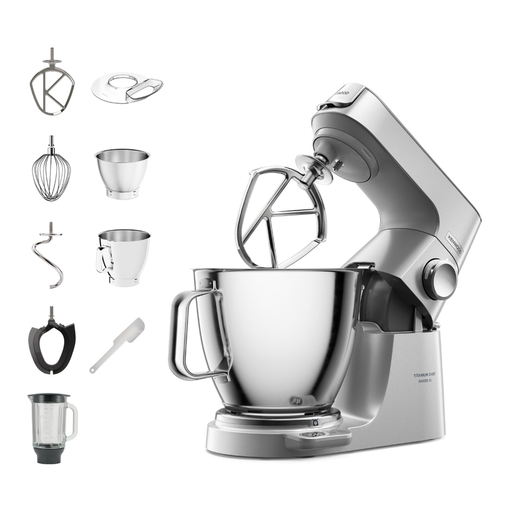
Kenwood Titanium Chef Baker XL KVL85124SI, silver

Kenwood Titanium Chef Baker XL KVL85124SI

The description lists a K-beater, Flexi beater and dough hook for mixing and kneading.

Built-in scales, variable speed control, and 5-l and 3,5-l bowls.

View at Joybuy

Frequently asked questions

Do I need a dough hook for every type of doughnut dough?

No, it depends on the recipe. Cake batter needs a suitable beater, while yeast dough that needs kneading calls for a dough hook. Check that the attachment you need is included with the specific model.

How should I clean the mixer after making dough?

Clean all parts that come into contact with food thoroughly. Whether an attachment is dishwasher-safe depends on the specific model and part; Bosch and Severin state this for the accessories mentioned here. The Federal Centre for Nutrition recommends regularly and thoroughly cleaning surfaces and equipment that come into contact with food.

Can I put filled doughnuts in a lunchbox without keeping them chilled?

That depends on the filling and the conditions during transport. The German Federal Institute for Risk Assessment recommends keeping perishable foods as cold as possible until they’re eaten; using a stand mixer doesn’t change this.

Who should I contact if there’s a fault: the retailer or the manufacturer?

The seller is responsible for your statutory consumer rights; a manufacturer’s warranty is separate. The Verbraucherzentrale says that new goods are generally covered by a two-year statutory warranty from the date they’re handed over.

Is a CE mark an independent quality mark?

No. According to information from the European Union, the manufacturer is responsible for meeting the relevant requirements and applying the CE marking, where the relevant EU rules apply to the product. Check the details for the specific electrical appliance on offer; a brand name alone doesn’t establish that a particular version complies.