Pasta fans with limited worktop space
If you need to set up and store your machine in a small kitchen, consider not just its dimensions but also the space needed to operate it and remove the bowl.


If your main aim is to mix and knead pasta dough, compare the worktop space and clearance needed for operation, the available mixing tools and the dough quantities specified for the particular model. You don’t need a pasta attachment for this. If you also want to roll out pasta mechanically, check that the attachment is compatible and allow room for both it and the sheets of dough. Instructions for bread or yeasted dough don’t confirm a permitted quantity of pasta dough.
If you need to set up and store your machine in a small kitchen, consider not just its dimensions but also the space needed to operate it and remove the bowl.
If you want to make sheets of dough or pasta mechanically, check that the attachment is approved for your specific model and allow room for the accessories and sheets of dough.
If you want to use your machine for other types of dough, compare the quantity and load guidance for each type rather than relying on the wattage or bowl capacity alone to judge its suitability.
First, check that the machine and your workflow will fit in your kitchen. Then look at the dough guidance in the manual and, if you want to roll out pasta mechanically, make sure the attachment is confirmed as compatible.
| What matters when buying | What to check | Who it matters most to |
|---|---|---|
| Worktop space and operating clearance | Compare the appliance dimensions with the space available for use and storage; allow room to put the bowl in and take it out. | If I’m working in a small kitchen, the machine needs to fit and be easy to use where it’s placed. Around 36% of consumers put space requirements and accessibility first. |
| Pasta dough and load | Check the guidance for your specific model on tools, dough quantity, speed, operating time and breaks. | If I mainly make firm pasta dough, I want to know which tools and operating method the manual recommends for my model. About 29% of consumers prioritise dough handling. |
| Rolling out dough and accessories | Check the full model code, approved accessories and what’s included. | If I want to roll out sheets of dough or pasta mechanically, I need a compatible attachment and extra room to work. Around 21% of consumers put rolling accessories first. |
| Cleaning and ongoing costs | Read the cleaning instructions for each part and budget separately for any accessories you need. | If I use additional tools or attachments, I want to know how they need to be cleaned and stored. About 14% of consumers pay particular attention to care and the need for extra accessories. |
The percentages shown group consumers by their top buying consideration for this particular use. Information on appliance dimensions, tools and accessories comes from sources including Kenwood, Bosch and KitchenAid; it does not establish a single pasta dough limit that applies to every model.
A capacity figure describes the bowl; it doesn’t automatically tell you how much firm pasta dough you can make. Published quantity guidance may be based on other types of dough.
Check the manual for your specific model and recipe, and follow the guidance on tools, quantities, operating time and breaks.
Accessories depend on the model: Bosch lists its PastaPassion set for the Series 4, while Kenwood says Chef attachments aren’t compatible with the Go KZM35. You don’t need a rolling attachment just to knead dough.
Before buying, check the full model code against the approved accessories and what’s included.
A compatible attachment bought separately will need extra storage space.
You’ll also need room to put the bowl in and take it out, and, if relevant, to handle sheets of dough as they come out.
Think through the whole process where you plan to use the machine, rather than comparing its footprint alone.
The Go KZM35.000GY combines a compact design with a bowl and dough hook. Kenwood gives its dimensions as 33,5 × 18 × 30 cm.
According to Bosch, the Series 2 MUMS2AW01 combines a compact design with a 3,8-l bowl and a dough hook.
KitchenAid describes the Mini 5KSM3311X as having a 3,3-l bowl and sets out a specific method for making pasta dough.
The Assistent Original is worth considering as a larger machine if you’re planning to make bigger batches of dough as well as pasta.
This selection includes stand mixers for a range of dough-making tasks. Compare the space available, the information for each version and the clearance needed to operate it. Bowl size alone doesn’t tell you the permitted quantity of pasta dough.
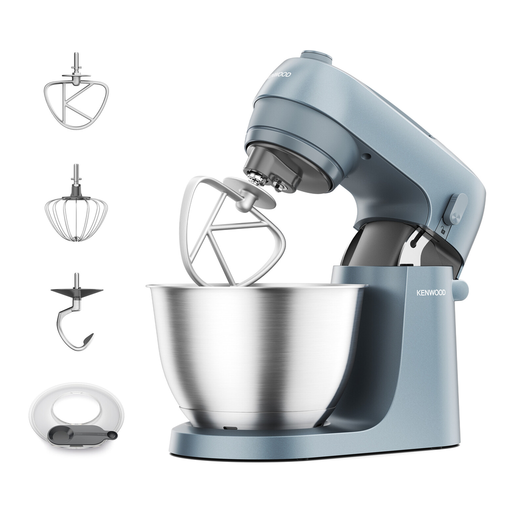 No image available
Considered for dough making where worktop space is limited; compare the appliance dimensions with the space available for setting it up and using it.
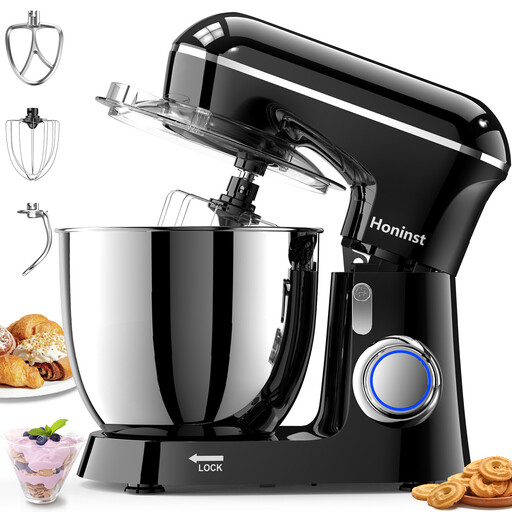 No image available
The tilt-head design is one operating feature to consider for dough making; allow room to raise the motor head.
6.5 QT bowl; 10 speed settings; tilt-head design.
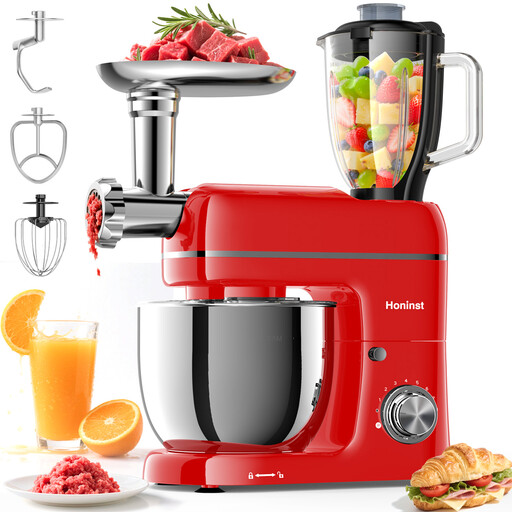 No image available
Designed for dough making and other listed kitchen functions; check that its additional features suit your workflow and available storage space.
6.5 QT bowl; 8 speed settings; tilt-head design.
According to the product information, do not run it for more than six minutes at a time.
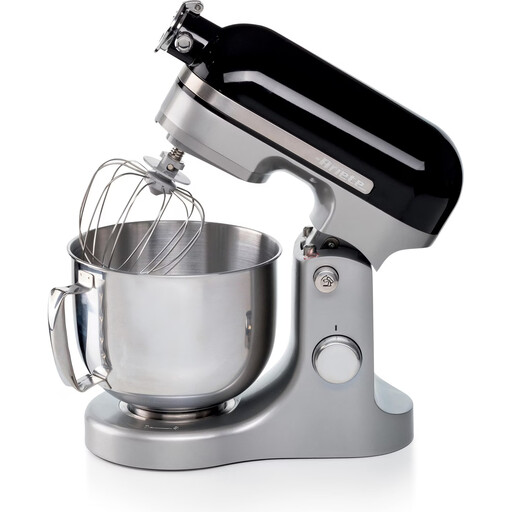 No image available
An option for dough making if the stated capacity suits your recipe; check the manual for the specific model.
5.5-L bowl; 11 speed settings; stated maximum dough quantity: 1,4 kg.
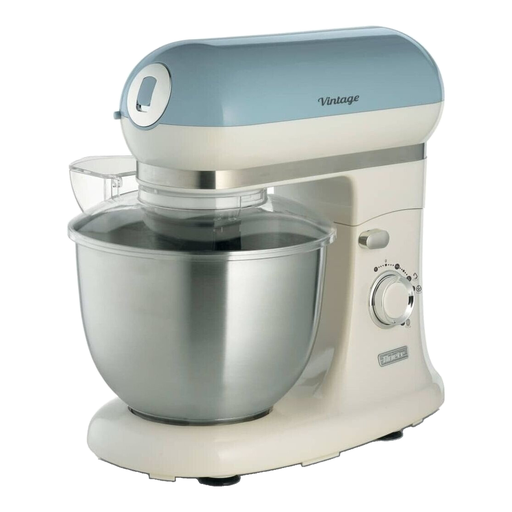 No image available
Considered as a larger stand mixer for dough making; before buying, check that it will fit in your kitchen with enough clearance to operate it.
5.5-L bowl; 10 speed settings.
No. An attachment is for rolling or cutting the dough later; KitchenAid also describes rolling it out with a rolling pin. If you want to roll it out mechanically, check that the attachment is approved for your specific stand mixer model.
Follow the quantity and operating guidance for your specific model and type of dough. Bowl capacity and guidance for bread or yeasted dough don’t, on their own, confirm a permitted quantity of firm pasta dough.
KitchenAid recommends mixing the ingredients with the flat beater on speed 2 for around 30 seconds, then kneading with the dough hook on speed 2 for two minutes. It then recommends kneading by hand for one to two minutes and resting the dough for 10 to 15 minutes. Don’t apply these times and settings to other machines or recipes without checking first.
It depends on the model and the individual part. Kenwood says the Go’s bowl is dishwasher-safe, but recommends washing the mixing and dough tools by hand. Bosch describes the bowl and mixing tools for the MUMS2AW01 as dishwasher-safe.
Your statutory rights relating to faulty goods are against the seller; a voluntary manufacturer’s or retailer’s guarantee is separate. According to the Verbraucherzentrale, if something is faulty, you can first ask for it to be put right by repair or replacement.