Choose a stand mixer with an attachment suited to your recipe, and compare the total quantity of dough with the limit stated for that specific model. Bowl capacity alone does not tell you how much dough a machine can handle. When your dough contains a high proportion of rye, gentle, controlled mixing is important; how you work the dough when it contains more wheat depends on the recipe. For the occasional batch to share, also weigh up the space the machine takes up and its features against how many batches you need to make.
Which stand mixer is right for you?
Bakers making a larger batch to share
If you’re baking for several guests, plan the recipe quantity alongside the maximum dough capacity for the specific model. Dr. Oetker’s rye roll recipe makes around 12 rolls; Bosch and Ankarsrum’s specifications cover different models and types of dough.
Bakers using a rye-rich recipe
If your dough contains a high proportion of rye, gentle, controlled mixing matters more than simply kneading it for a long time. The IREKS Compendium of Baking Technology describes rye-rich doughs as generally requiring slow, gentle kneading.
Occasional bakers short on space
If you only bake for guests now and then, weigh up the worktop and storage space against the batch size you need. F.A.Z.’s buying guide points out that stand mixers take up space.
What should you look for when choosing one?
For rye-rich recipes, the mixing process should suit the dough: the IREKS Compendium of Baking Technology describes slow, gentle kneading as the usual approach. Then check the model-specific dough capacity and make sure the machine and its features suit your space and the way you work.
| What matters |
What to check before buying |
Who will find this particularly important? |
| Type of dough and attachment |
Check that the mixer or dough hook is right for your recipe, and that you can select a low speed. |
If my recipe contains a lot of rye, I want to choose the right attachment and mixing method. Around 36% of consumers put the type of dough and suitable attachment first. |
| Dough quantity per batch |
Compare the total quantity with the model-specific limit for the type of dough in question; don’t treat bowl capacity as a dough limit. |
If I’m baking for several guests, I want to plan as few suitable batches as possible. Around 29% of consumers prioritise the amount of dough the mixer can handle per batch. |
| Worktop space and storage |
Consider the appliance’s dimensions, where you’ll actually store it and how easy it is to access the bowl. |
When worktop space is limited, I want to know whether the mixer will be easy to put away after baking. Around 21% of consumers prioritise worktop space and storage. |
| Workflow and features |
Check what’s included, the cleaning instructions and whether extra features will help with the tasks you have planned. |
I want to weigh ingredients and clean the parts I’ve used without any fuss. Around 14% of consumers prioritise a straightforward process and a manageable set of features. |
Avoid common buying mistakes
-
Assuming the bowl capacity or cake dough limit also applies to rye dough
Bosch gives separate maximum quantities for the MUM58720: 2.7 kg of cake batter and 1.9 kg of yeast dough. These figures apply to different types of dough and don’t confirm a limit for rye dough.
Compare the recipe and the manufacturer’s specifications on the same basis, using the same quantity and type of dough. If they don’t establish whether the machine is suitable for your recipe, don’t treat a different capacity figure as confirmation that it is.
-
Kneading rye-rich dough for longer just because of its consistency
The IREKS Compendium of Baking Technology distinguishes between how rye- and wheat-based doughs are worked; longer kneading isn’t automatically the right solution.
Choose the attachment, speed and mixing time to suit the recipe and its rye content.
-
Assuming similarly named Kenwood models come with the same features
KVC85.004SI and KVC85.124SI are different complete model numbers. Kenwood also lists a glass blender as included with the KVC85.124SI.
Check the complete model number and what’s actually included before deciding which features you need.
Key brands to consider for rye roll dough
Bosch
The MUM58720 is a classic stand mixer suited to a medium-sized batch; the Series 6 MUMS6ZS13D is a larger model with built-in scales.
- Bosch lists a 3.9-l bowl, a dough hook and a capacity of up to 1.9 kg of yeast dough for the MUM58720.
- The 3.5 kg capacity given for the MUMS6ZS13D is an example for cake batter, not a limit for rye dough. These are manufacturer specifications, not a direct comparison of rye dough capacity.
Kenwood
The Go KZM35.000GY is designed for buyers short on space; the Titanium Chef Baker KVC85.124SI has two bowls and integrated scales.
- Kenwood lists a capacity of up to 1.5 kg of bread dough for the Go. For the KVC85.124SI, it gives a general dough capacity of 2.18 kg and bowl capacities of 5 l and 3.5 l.
- The figures apply to different types of dough and configurations, so they don’t allow for a direct comparison of rye dough capacity.
Ankarsrum
The Assistent Original AKM6230 is worth considering for regular, larger batches of dough, if its rotating-bowl system suits the way you work.
- Ankarsrum lists a 7 l bowl capacity and a maximum dough quantity of up to 5 kg.
- These are manufacturer specifications, not an independently verified maximum specifically for rye rolls. Its design and space requirements differ from those of classic mixers with a rotating attachment.
KitchenAid
The Artisan 5KSM175PSEVB may appeal if you want to use your mixer for other mixing tasks as well as roll dough, and make use of the included accessories.
- KitchenAid lists a dough hook and 4.7 l and 3 l bowls for this version.
- These specifications don’t tell you the maximum quantity of rye roll dough it can handle. Check the flour and dough limits for the specific model and recipe.
Stand mixers at Joybuy
This selection includes stand mixers with dough hooks and a range of bowl sizes, giving you options for controlled mixing. Bowl capacity and general dough specifications don’t replace a model-specific limit for rye dough. Before buying, also check the specific listing to see whether the relevant EU rules require CE marking and whether the appliance carries it. According to the European Union, the marking is the manufacturer’s declaration of conformity, not an independent quality test.
 No image available
HAUSWIRT M5 Max stand mixer
With 11 speed settings, you can choose from several mixing speeds.
5.5-l bowl; 11 speed settings; 4.5-inch LED touchscreen; metal construction. The bowl capacity is not a confirmed limit for rye dough.
View at Joybuy
 No image available
Stand mixer with 5-l stainless steel bowl
The included dough hook and speed settings give you options for working with dough.
5-l stainless steel bowl; 10 speeds; 600 W; pulse function. Accessories include a dough hook, beater, whisk and splash guard. The bowl size doesn’t confirm that the mixer can handle rye dough.
View at Joybuy
 No image available
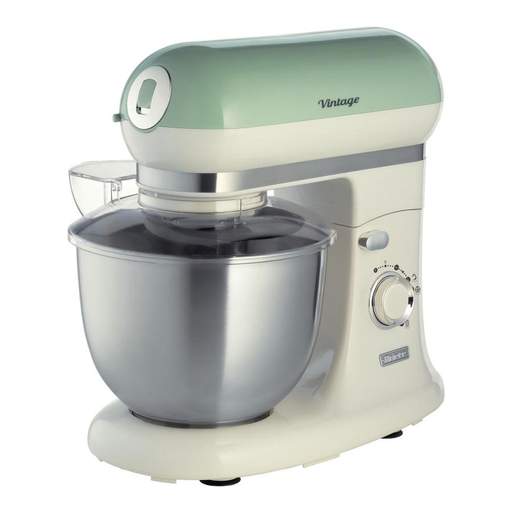
Ariete Vintage 8804 stand mixer
The dough hook and seven speed settings give you options for mixing and kneading; the right setting depends on your recipe.
5.5-l stainless steel bowl; 1,200 W; seven speed settings and pulse function. The bowl size doesn’t specify a quantity of rye dough.
View at Joybuy
 No image available
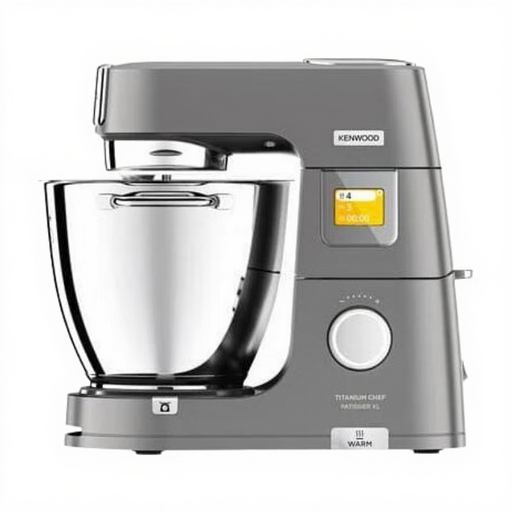
Kenwood Titanium Chef Patissier XL KWL90164SI
The two bowls and integrated scales may come in handy for several stages of a recipe, if you’ll actually use these features.
7 l and 5 l bowls; integrated scales and timer. Bowl capacity alone doesn’t determine a suitable quantity of rye dough.
View at Joybuy
 No image available
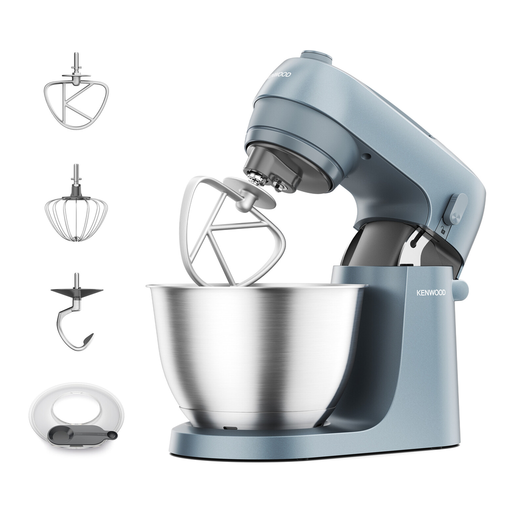
Kenwood Go KZM35000GY
Its compact design may suit you if worktop and storage space are important, provided the batch you plan to make is within the limit for this specific model.
4-l bowl; six speeds; dough hook and pulse function. The stated maximum of 1.5 kg is for bread dough, not a confirmed limit for rye dough; a separate figure of 0.5 kg of flour is also given.
View at Joybuy
Frequently asked questions
Do I need to knead rye roll dough for as long as wheat dough?
No. The same kneading time won’t suit every recipe. The IREKS Compendium of Baking Technology describes doughs with a high proportion of rye as generally requiring slow, gentle kneading. Follow the recipe and take the rye content into account, rather than using the wattage as a guide to kneading time.
Can I simply scale up a rye roll recipe?
Recalculate the total quantity of ingredients or dough, then compare it with the limit for the specific model. Dr. Oetker’s recipe makes around 12 rye rolls; that quantity is neither a standard serving size nor confirmation that a particular stand mixer can handle it.
What should I look for when setting up and cleaning the mixer?
Check which attachment comes with the specific machine and which parts the instruction manual says are safe to clean. Bosch describes the pastry set supplied with the MUM58720 as dishwasher-safe; this doesn’t automatically apply to every part of other models.
Which marking is relevant for an electric stand mixer?
The relevant EU rules require CE marking for electrical and electronic equipment where the applicable product legislation says it is needed. According to the European Union, the manufacturer uses it to declare that the product complies with the applicable rules; it is not an independent quality test. Check the specific listing or appliance.


