If scone texture matters to you
You want to work cold butter into the flour and mix in the liquid only briefly. Look for a suitable attachment and a speed you can control easily. King Arthur Baking describes these techniques in its scone recipes.


For savoury scones, a stand mixer with a suitable attachment and easily controlled speed can be useful if you plan to make several batches or use it for other mixing tasks. For the occasional small batch, mixing by hand may be simpler. King Arthur Baking recommends working cold butter into the flour and gently folding in the liquid, rather than kneading for a long time. A larger bowl is only worthwhile if it suits your recipe: manufacturer capacity figures for cakes or yeast dough do not tell you how much scone dough it can handle.
You want to work cold butter into the flour and mix in the liquid only briefly. Look for a suitable attachment and a speed you can control easily. King Arthur Baking describes these techniques in its scone recipes.
Work out the recipe quantity and number of batches before choosing a bowl size. Bosch, Severin and Kenwood list bowl sizes and processing capacities for specific models; these figures do not automatically apply to scone dough.
You move between ingredients and steps, and want to keep the washing-up manageable. Check whether the manufacturer says each included part is dishwasher-safe.
A good fit if: you usually make manageable quantities and want to use the mixer for other mixing tasks too.
The trade-off: A smaller bowl leaves less room for several portions. Check your recipe quantity against the model’s instructions.
A good fit if: you genuinely plan to make larger batches and the set you choose includes a suitable attachment.
The trade-off: A larger bowl does not mean you should mix scone dough for longer, or that it will hold a specific quantity of scone dough.
A good fit if: you only bake scones occasionally or in small batches.
The trade-off: You’ll need to do the mixing by hand, but you won’t need to buy and clean a machine for this step.
| What matters | What to check before buying | Who is this important for? |
|---|---|---|
| Mixing the dough with control | Which attachment is included and whether you can set low speeds easily. | If I want to work in the butter and briefly mix in the liquid, I look for the right attachment and good control. Around 36% of consumers prioritise gentle mixing. |
| Matching the recipe quantity to the bowl | Compare the recipe, planned number of batches and model-specific capacity figures in the instructions. | If several people are baking together, I want to know whether my ingredients will fit in the bowl. Around 29% of consumers put finding the right batch size first. |
| Cleaning and switching between tasks | Check what’s included, whether each part is approved for cleaning as specified, and how easy the bowl is to access. | When baking together, I want to switch between steps as easily as possible and avoid having to wash every attachment by hand. Around 21% of consumers prioritise workflow and cleaning. |
| Purchase and further use | Consider other mixing tasks you have planned and which attachments are actually included. | If I only plan to make scones occasionally, I ask myself whether I’ll use the mixer for other tasks too. Around 14% of consumers focus on how widely they’ll use it. |
The scone recipes described by King Arthur Baking call for working in the butter and gently mixing in the liquid, rather than kneading the dough for a long time.
Choose your attachment and mixing time to suit the recipe and the appliance instructions. Keep an eye on the dough and stop mixing at the right time instead of using a bread-dough programme without checking.
Manufacturer figures for bowl size or maximum quantities for other types of dough do not tell you how much scone dough you can safely mix in one batch.
Decide on your recipe quantity and number of batches, then check these against the model-specific guidance in the instruction manual.
What’s included and which accessories are available separately can vary by model and offer.
Check the parts list for the exact version against the attachments you want to use for your recipes.
Bosch offers models including the MUM58200, with a 3.9-l bowl, and the MUMS6ZS13D, with a 5.5-l bowl and integrated scales. These sizes and features apply to the respective models.
According to the manufacturer, the Severin KM 3898 combines a 5.5-l bowl with a flat beater, scales and a timer.
According to Kenwood, the kMix KMX750ARD has a 5-l bowl, variable speed and a K-beater. The Smart-Touch KHC40.080BK features scales and a timer, among other things.
The German product page for the KitchenAid Artisan 5KSM125EER lists a 4.7-l bowl and a flat beater as included.
This selection includes stand mixers with mixing attachments and different bowl sizes for controlled mixing and planned batch sizes. The capacities listed do not confirm a specific scone quantity.
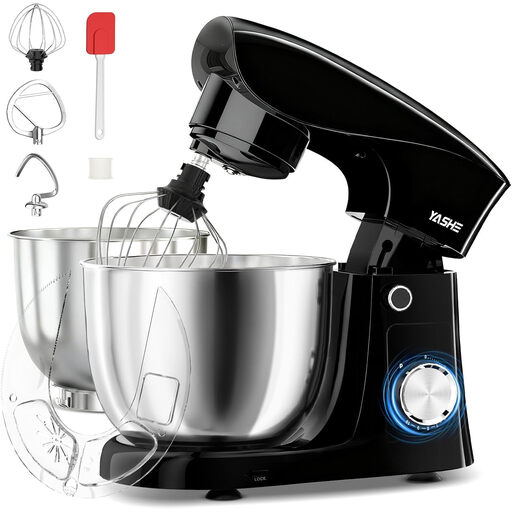 No image available
The stated pulse function and multiple speed settings let you control the mixing process step by step.
According to the product description, it includes a whisk and two stainless steel bowls with capacities of 4.5 l and 5 l. A dough hook and more than ten speed settings are also listed.
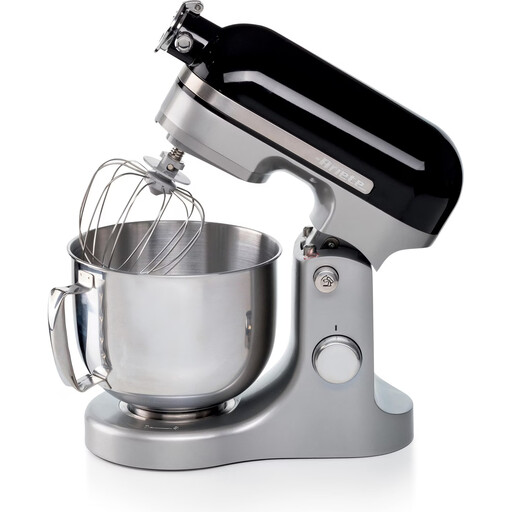 No image available
The listed flat beater and speed settings are useful for controlled mixing. Stop mixing at the right point for your recipe.
The product description lists a 5.5-l bowl, 11 speed settings, a flat beater, a dough hook and a whisk. The stated dough capacity is not a scone-specific quantity.
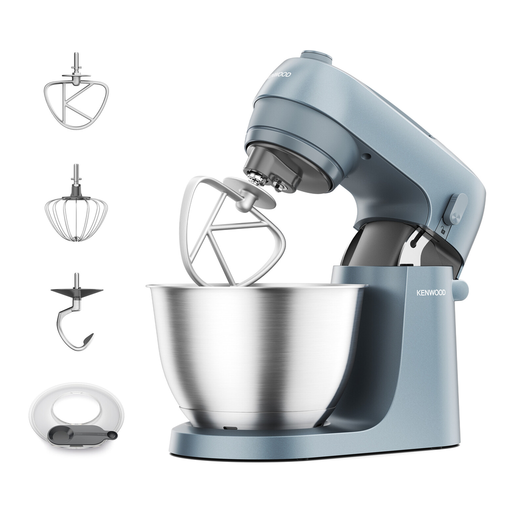 No image available
The K-beater, six speeds and pulse function are useful for short, controlled mixing steps.
The product description lists a 4-l bowl, a height of 30 cm and dishwasher-safe parts. Check the cleaning instructions for each attachment.
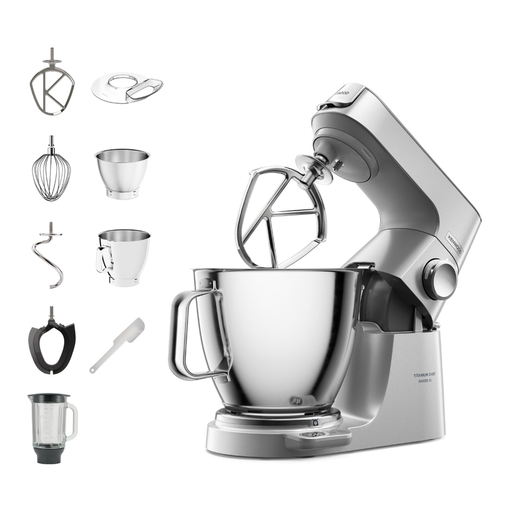 No image available
The K-beater, Flexi beater and variable speed control offer options for different mixing steps.
The product description lists two bowls, with capacities of 5 l and 7 l. Compare your planned recipe quantity with the figures in the instruction manual; they do not indicate a scone capacity.
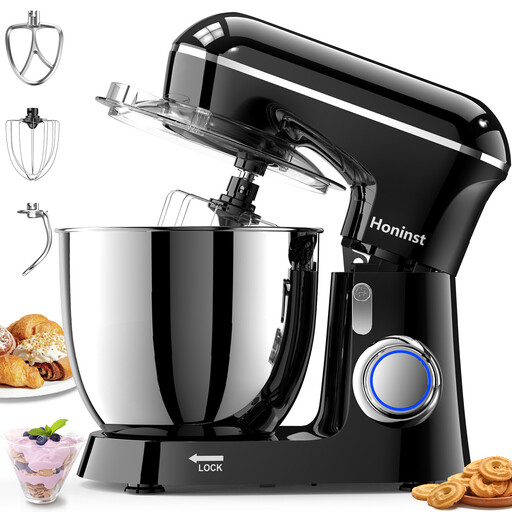 No image available
The flat beater and ten speed settings are useful for gentle mixing. Follow your recipe for mixing times.
The product description lists a 6.5QT bowl, a tilt-head design and a splash guard. Check which accessories are included with the version you choose.
Not necessarily. King Arthur Baking explains how to work in the butter and gently mix in the liquid. Check the attachment recommendations in your appliance manual and stop mixing as soon as your recipe reaches the right consistency. A programme for long kneading is not a scone-making requirement.
Unplug the appliance before cleaning it. Whether the bowl and mixing attachments are dishwasher-safe depends on the model and the individual part. Bosch and Severin provide this information for their respective products.
No. If a product is faulty, you have statutory rights against the seller. A warranty is an additional voluntary service with its own terms and conditions. For ordinary purchased goods, § 438 BGB generally sets a two-year limitation period from delivery for the defect claims specified there.
Goods sold in the EU must comply with the applicable product safety regulations, including when sold online. Electrical appliances may need to carry a CE marking. This is the manufacturer’s declaration of conformity, not approval by a central EU authority. Check the information for the specific appliance and follow its instruction manual.