Batch bakers stocking up
If you want to keep the number of mixing rounds to a minimum, compare dough capacity, the right mixing tool and the space available on your worktop.


Choose a stand mixer for spiced biscuit dough based on the amount of dough it can handle per batch and the right mixing tool. Bowl capacity alone won’t tell you how much dough the model can process. A larger bowl can be handy for big batches, while built-in scales or a second bowl are most useful if you weigh and mix ingredients repeatedly.
If you want to keep the number of mixing rounds to a minimum, compare dough capacity, the right mixing tool and the space available on your worktop.
If you’re making several spiced variations or repeated batches, weighing ingredients, swapping bowls and cleaning may matter more than having the largest possible bowl.
If you’ll use the mixer beyond your baking session, compare the standard accessories, dimensions and the terms for spare parts and warranties.
| What to consider | What to look for | Who is it important to? |
|---|---|---|
| Dough quantity per batch | Compare the weight of your recipe per batch with the manufacturer’s stated capacity for the relevant type of dough. Don’t treat figures for mixing, yeast or cake batter as interchangeable. | If I want to mix a large amount for the freezer in as few batches as possible, I need a capacity figure for the exact model and type of dough. Around 36% of consumers put batch size first. |
| Mixing tool for biscuit dough | Check which tool comes with the specific model variant and whether it’s intended for the dough you plan to make. | When I’m mixing biscuit dough, I want to use a tool designed for the job rather than assume the mixer is suitable based on motor power alone. Around 29% of consumers prioritise the right mixing tool. |
| Weighing ingredients and changing bowls | Check whether scales, an extra bowl and the tools you need are actually included with the variant you’ve chosen. | If I repeatedly weigh ingredients for several spiced variations, the right features can make it easier to switch between batches. Around 21% of consumers focus on this workflow. |
| Space and other uses | Compare the appliance dimensions, operating height, standard accessories and terms for spare parts and voluntary warranties. | If the mixer will stay in a small kitchen and continue to be used after a baking session, worktop space and practical everyday features matter to me. Around 14% of consumers prioritise space requirements and future use. |
Manufacturers distinguish between bowl size and dough capacity. Figures can also apply to different types of dough.
Compare the weight of your batch with the manufacturer’s stated capacity for the relevant type of dough. Don’t assume figures for yeast or cake dough also apply to firm spiced biscuit dough.
If the tool you need or a second bowl isn’t included, you’ll need to budget for the extra accessories.
Conflicting figures in a product description can make it harder to choose if you base your decision on them.
Check the exact model number against the manufacturer’s documentation, and don’t use conflicting figures as the basis for your decision.
A warranty and your statutory rights are different forms of protection and may involve different parties.
Check the warranty terms for the specific appliance and consider your statutory rights against the seller separately. The Verbraucherzentrale explains the difference between statutory rights and a voluntary warranty.
MUM models are worth considering if you want to compare specific dough capacity figures and standard accessories for mixing, whisking and kneading.
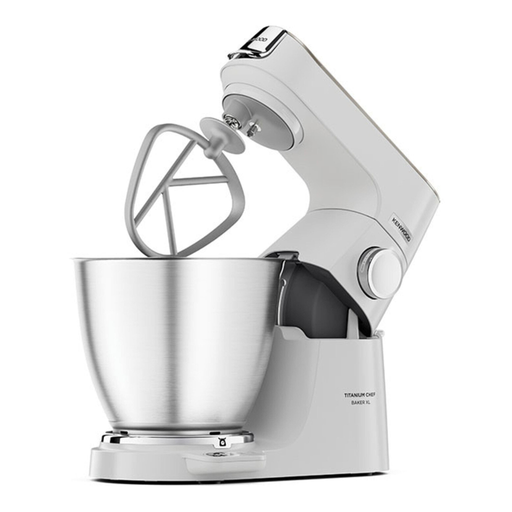
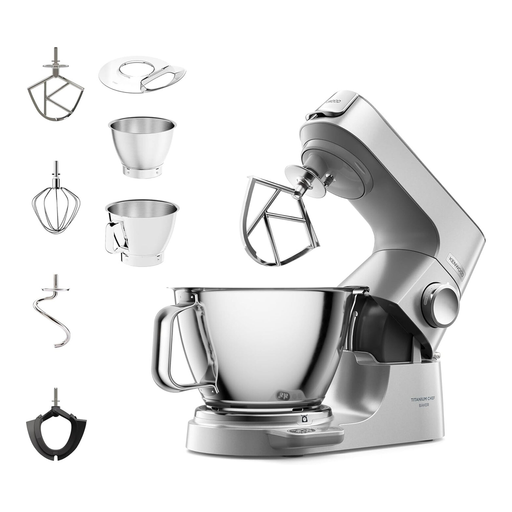
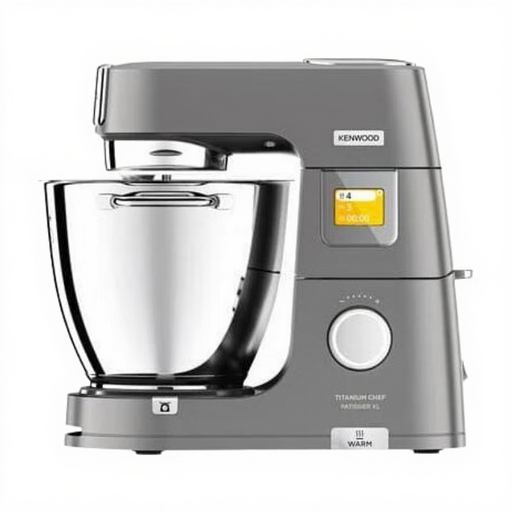
The Chef XL KVL4100S has a large bowl, while the Titanium Chef Baker KVC85.124SI is designed for shoppers who want built-in weighing and two bowl sizes.
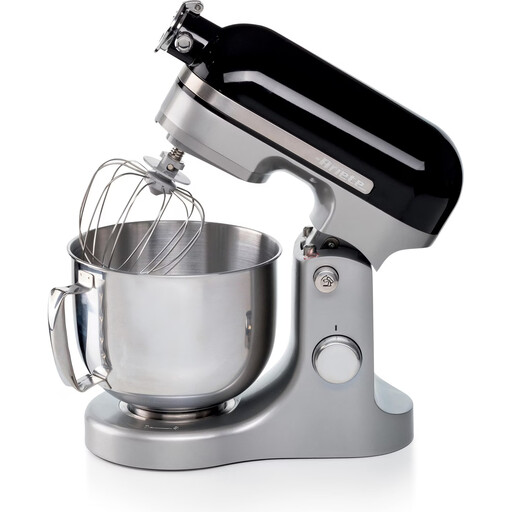
The Artisan 5KSM125EPT is an option if you prefer a tilt-head design and a flat beater included in the box.
The KM 3898 combines scales, a flat beater and a timer for shoppers looking for these features in one appliance.
The Assistent Original has a different design, with a rotating bowl. It’s worth considering if you regularly make large quantities of dough and plan to use it for other tasks too.
Joybuy stand mixer options to help you plan batches of spiced biscuit dough.
 No image available
Bowl capacity can be useful when planning batches, but it doesn’t confirm how much spiced biscuit dough the mixer can handle.
5.5-l bowl; 11 speed settings.
 No image available
If you’re planning to use a flat beater for a batch, compare the stated dough capacity with your recipe. It doesn’t confirm a different maximum capacity for spiced biscuit dough.
5.5-l bowl; 11 speed settings; stated dough capacity: 1.4 kg; flat beater mentioned in the product title.
 No image available
A large bowl can be useful when planning batches. Check the dough capacity for your recipe separately.
7-l mixing bowl; built-in scales; 1200 W; 3-piece patisserie set.
 No image available
If you weigh ingredients repeatedly or switch between batches, check the features included with the specific variant and make sure they suit your routine.
 No image available
The two bowl sizes can be useful when switching between different batches. Check separately that the mixer can handle the amount of dough in your recipe.
Built-in scales; 7-l and 5-l bowls.
KitchenAid describes its flat beater as suitable for biscuit dough, while Kenwood says the K-beater on its Chef XL range is suitable for cookie dough. Check your recipe, the instructions for your specific appliance and whether the tool is actually included.
For stocking up your freezer, the Federal Centre for Nutrition recommends using suitable freezer packaging, dividing food into portions and labelling each pack with its contents, quantity and date. This doesn’t establish a single storage period for every spiced biscuit recipe.
The German Federal Institute for Risk Assessment advises against eating unbaked biscuit dough, as flour and dough may be contaminated with Escherichia coli. Follow good kitchen hygiene, and remember that freezing doesn’t make raw dough safe to eat.
Your statutory rights are against the seller and are separate from a voluntary warranty. According to the consumer advice centres, online purchases generally come with a 14-day right to cancel; specific conditions apply.
No. According to the European Commission, the CE marking is the manufacturer’s declaration that the product meets the relevant EU requirements. There’s no central EU body that issues a general CE certificate. For the specific appliance, check the marking, mains connection and instructions rather than treating CE as a comparative test.