What should you look for when buying?
First decide on the recipe quantity per batch. Then check the guidance for the type of dough you’re making, before comparing features, cleaning requirements and the space the mixer takes up.
| What matters |
What to look for when buying |
Who is this particularly important for? |
| Dough quantity per batch |
Compare your full recipe quantity with the manufacturer’s limit for yeast or bread dough on the specific model; don’t assume bowl capacity and dough capacity are the same thing. |
If I’m preparing several plaits for different class groups, the quantity per batch needs to suit my recipe. Around 36% of consumers prioritise choosing the right batch size. |
| Kneading the specific dough |
Check the dough hook, the type of dough it’s designed for and the instructions for the specific model; don’t treat a test with a heavy bread dough as a test of yeast plait dough. |
If kneading my yeast plait dough is what matters most, I want to base my choice on guidance for that specific type of dough. Around 29% of consumers put kneading suitability first. |
| Working between groups |
Look for a built-in scale, timer and clear cleaning instructions for individual tools. |
If groups are working one after another, I want to weigh ingredients quickly and know which parts I can clean when changing tools. Around 21% of consumers give the most weight to how smoothly the class runs. |
| Purchase cost and space |
Compare the dimensions and what’s included with the specific model against your work area and storage space. |
If I only use the mixer occasionally in class, I want to weigh the cost and available space against the extra capacity. Around 14% of consumers prioritise cost and the space the mixer takes up. |
Joybuy products for preparing dough and running your class
The following Joybuy options include stand mixers with different bowl sizes and features. Before buying, check that the dough hook, permitted dough quantity and intended use suit your recipe and class.
 No image available
HAUSWIRT M5 Max stand mixer
This model could be an option for larger batches, but only if its dough hook and permitted yeast dough capacity suit your recipe.
The product title specifies a 5.5 l bowl and 11 speeds.
View at Joybuy
 No image available
Stand mixer with 5 l stainless steel bowl
The product title mentions a dough hook, but still check the permitted yeast dough capacity for this specific model against the quantity you plan to make.
Specifications include a 5 l bowl, 10 speeds, 600 W, a dough hook, beater, whisk and splash guard.
View at Joybuy
 No image available
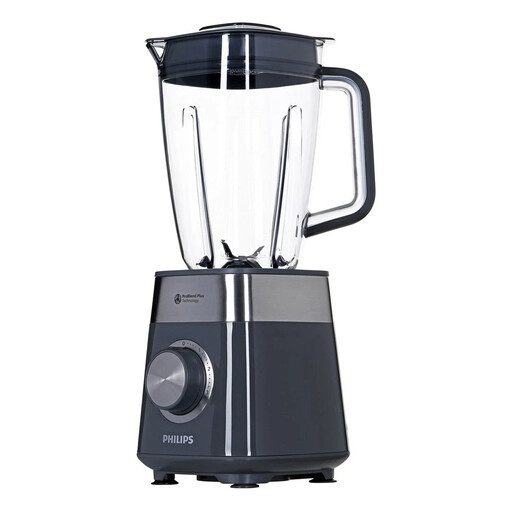
Philips 5000 Series stand mixer, 2 l
This model is suitable for your class only if the product information confirms it has the kneading tool you need and can handle the quantity of dough in your batch.
The product title specifies a 2 l capacity and the colour grey.
View at Joybuy
 No image available
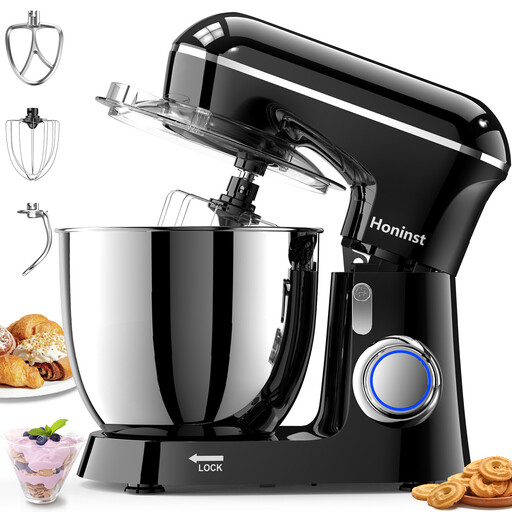
Honinst stand mixer, 6.5QT, 10 speeds
The product title mentions a dough hook. The product information limits use to domestic settings and normal quantities and durations, so check whether it’s suitable for your cookery class.
Specifications include a tilt-head design, dough hook, whisk and beater.
View at Joybuy
 No image available
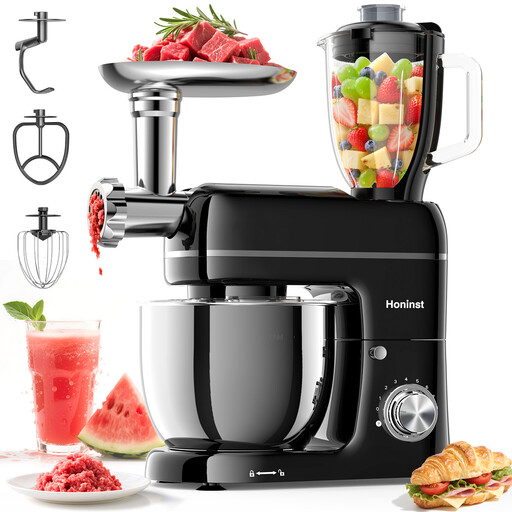
Honinst 7-in-1 stand mixer, 6.5 QT
The product title mentions a dough hook, while the product information limits use to domestic settings and normal quantities and durations. Check whether these conditions are suitable for your class.
Specifications include 8 speeds, a meat mincer and blending functions.
View at Joybuy
Frequently asked questions
How do I choose the right size of mixer for a cookery class?
Decide on your recipe quantity and the number of kneading batches, then compare the quantity per batch with the manufacturer’s limit for the type of dough you’re making. A capacity listed for cake dough doesn’t confirm the same permitted quantity for yeast plait dough.
Can I knead yeast dough on the same speed setting with any stand mixer?
No. Kneading instructions depend on the specific appliance. KitchenAid recommends using the dough hook on speed 2 for yeast dough in its stand mixers, and gives separate time limits for bread dough. Don’t apply this guidance to other brands; follow the instructions for your model.
What should I know about faults or repairs after buying in Germany?
For a consumer purchase, your statutory rights are against the seller; a manufacturer’s guarantee is an optional extra with its own terms and conditions. The Verbraucherzentrale distinguishes between these rights. If you’re buying the mixer for a cookery class run as a business, check separately which terms and conditions apply to the purchase.
Does a cookery class need to be registered as a food business?
You can’t tell from the description ‘weekend cookery class’ alone. The federal portal explains that food businesses which produce, process or distribute food must register with the local food control authority. Check with the relevant authority whether this applies to your class and under what conditions.
What should I check about appliance safety and contact with food?
Check the labelling and product documentation for the specific appliance, along with which parts are intended for contact with food. The European Commission describes CE marking as a manufacturer’s declaration that relevant EU product requirements have been met, not as an independent assessment of kneading performance. The European Food Safety Authority classifies bowls and tools that come into contact with food as food contact materials.


