Cheese-cracker bakers working around a shared oven
If you need to plan around an oven that’s shared with others, coordinate preparing the dough, the chilling time specified in the recipe and baking.


Start by choosing a beater that suits your recipe, then check that the stated dough quantity is suitable for the specific mixer: bowl capacity alone won’t tell you that. Scales, a timer or a second bowl can make preparation easier when you’re working around a shared oven, but they won’t replace the chilling time specified in the recipe, or the rolling and baking stages. For an occasional small batch, a hand mixer may be enough.
If you need to plan around an oven that’s shared with others, coordinate preparing the dough, the chilling time specified in the recipe and baking.
If you’re making several batches or taking turns with other people, consider changing bowls, the accessories included and how easy the individual parts are to clean.
If you only make a little dough now and then, compare the space needed and cost of a stand mixer with a hand mixer that suits your recipe.
First, check that the beater and dough quantity suit your recipe. Then consider features that help you plan around the oven and change bowls.
| What matters | What to check | Who should pay particular attention? |
|---|---|---|
| The right mixing method | Which beater is included and what method the recipe calls for; compare the dough quantity with the model’s instructions. | If you want to combine butter and cheese using a specific recipe method, the right beater matters more than a high power rating. Around 31% of consumers put dough preparation first. |
| Working around a shared oven | Plan the recipe timings in advance; check whether the mixer has built-in scales or a timer if you need them. | If you need to prepare the dough before the shared oven becomes available, a well-planned schedule can help. Around 25% of consumers prioritise preparing for a set oven slot. |
| Changing bowls | Compare the bowls supplied, their sizes and the cleaning instructions. | If you’re making several batches or taking turns with someone else, a second bowl can make it easier to move on to the next step. Just under 19% of consumers prioritise switching quickly between stages. |
| Counter space | Measure your worktop and storage space, then compare them with the appliance dimensions. | If several people use the same kitchen, you may want to avoid having an appliance permanently taking up worktop space. Around 13% of consumers prioritise a compact footprint. |
| Cost relative to how often you’ll use it | Weigh up how often you’ll use it, which tools are included and which accessories you actually need. | If you only make a small batch occasionally, the extra features should be worthwhile for the way you work. Around 12% of consumers prioritise cost relative to use. |
The right mixing method depends on the recipe. KitchenAid’s cheese-cracker recipe calls for a flat beater or pastry beater; other recipes may use a different method.
Compare the method in your recipe with the instructions for the specific appliance and the accessories actually included.
KitchenAid and PENNY’s cheese-cracker recipes include chilling time before baking. Mixing alone won’t tell you when the dough is ready to bake.
Allow for the chilling time specified in your chosen recipe, rolling out the dough and, if necessary, baking several trays.
Manufacturer figures for bowl capacity or dough capacity may relate to specific types of dough and don’t establish a limit that’s been specifically tested for cheese crackers.
Compare the quantity and type of dough in your recipe with the instructions for the exact model. If you’re unsure, you can mix the batches separately.
The models listed differ in bowl size and features: the MUM58200 has a 3,9-l bowl; Bosch lists built-in scales and a timer for the MUM5XW20.
The Smart-Touch KHC40.080BK and Titanium Chef Baker KVC85.004SI offer different features, as listed on Kenwood’s respective model pages.
KitchenAid’s cheese-cracker recipe shows how to use a flat beater or pastry beater. KitchenAid lists a 4,7-l bowl and an included flat beater for the Artisan 5KSM125.
Smeg lists a flat beater, a whisk and a dough hook as included accessories for the SMF04WHEU.
These models may suit mixing and kneading dough, as well as preparing several batches in succession. Check the beater, quantity and process against your recipe.
 No image available
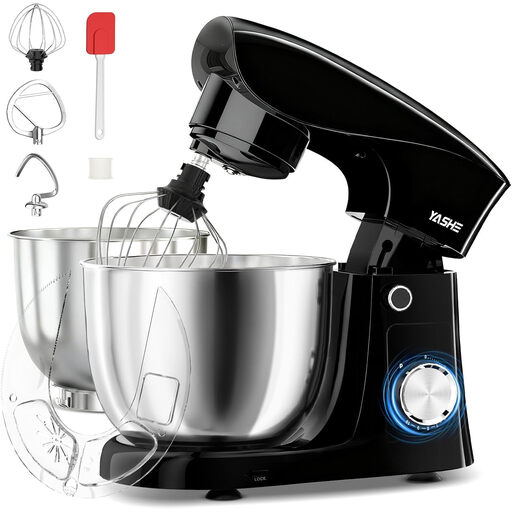
The two bowls are handy for consecutive steps where changing bowls is useful.
Features listed in the product name: 4,5- and 5-l bowls, 10+ speeds, tilt-head design and a dough hook.
 No image available
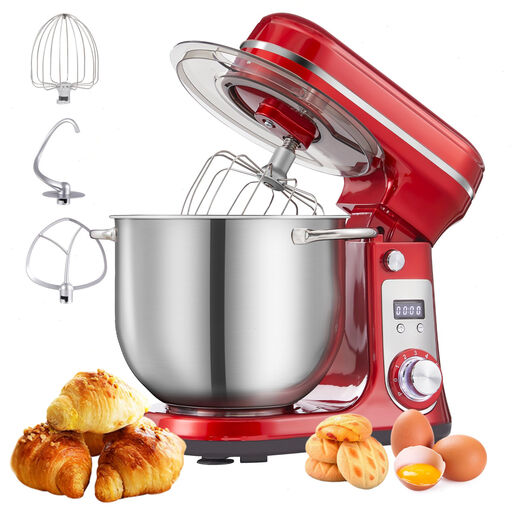
The stated timer can help you keep track of mixing time, but it won’t replace planning for chilling time and oven availability.
Features listed in the product name: LCD display, timer, six speeds and pulse function.
 No image available
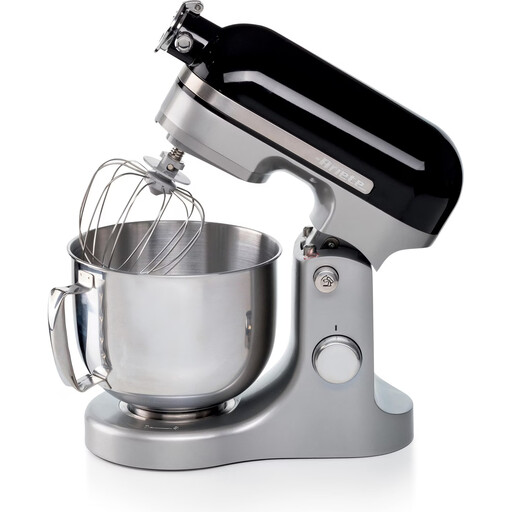
A choice of beaters is useful if you want to compare the accessories with the method in your cheese-cracker recipe.
Features listed in the product name: 11 speed settings, beater, dough hook, whisk, dough scraper and splash guard.
 No image available
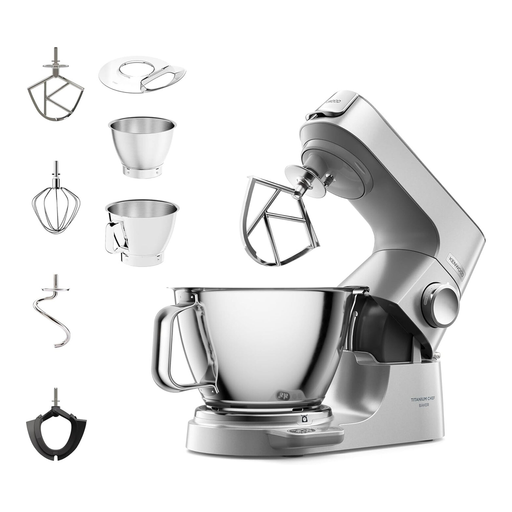
An option to consider if you want to weigh ingredients and carry out several preparation steps with one appliance.
Model listed in the product name: KVC85004SI in silver. Before buying, check the specific accessories included and the mixing method in your recipe.
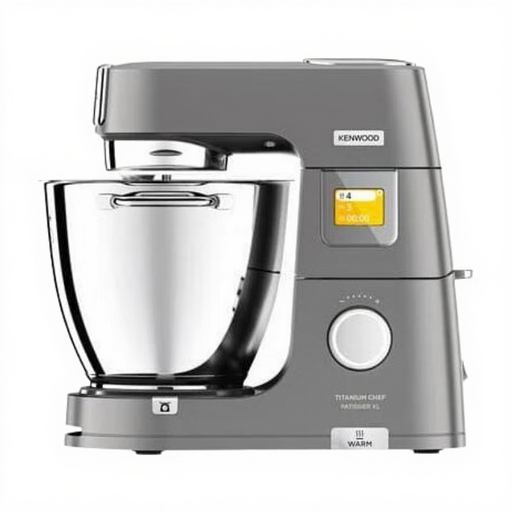 No image available
This model may suit you if you’re looking for a stand mixer for several baking steps; check the specific features against your recipe.
Model listed in the product name: KWL90164SI in silver. Before buying, check which beaters are included.
Follow your recipe and the instructions for your specific appliance. KitchenAid’s cheese-cracker recipe calls for a flat beater or pastry beater; other recipes may use a different method.
Not with every recipe: KitchenAid specifies at least one hour of chilling, while PENNY specifies at least 30 minutes. Plan your oven slot around the recipe you’re actually using; these timings can’t be combined into one general chilling time.
Check how many bowls are included, their sizes and whether each individual part is dishwasher-safe. Kenwood indicates that some parts of the KHC40.080BK are dishwasher-safe, subject to the instructions in the manual; two different-sized bowls are listed for the KVC85.004SI.
It’s required for products covered by EU rules that require CE marking. The European Union explains that the marking is a manufacturer’s declaration, not an independent quality seal; what matters is whether the relevant rules apply to the product.
No. Your statutory rights are against the seller; a guarantee is offered voluntarily. Verbraucherzentrale distinguishes between the two and advises checking the terms of each guarantee to see what it covers.