Bakers making several trays
If you regularly mix up bar mixture, compare the recipe weight with the permitted processing quantity and, where relevant, plan to make several separate batches.


First, choose a stand mixer with an attachment that the instructions specify for your mixture, then compare the weighed batch with the guidance for the exact model. If you’re making several trays, a higher permitted processing quantity, a second bowl or easy-to-clean parts can help make the process smoother. However, bowl capacity in litres and limits for other types of dough don’t show that the same quantity of bar mixture can be processed.
If you regularly mix up bar mixture, compare the recipe weight with the permitted processing quantity and, where relevant, plan to make several separate batches.
If you’re mixing in plenty of oats or other firm ingredients, check which attachment is recommended for your specific appliance and mixture.
If you only bake occasionally, weigh up the space the appliance needs and the cleaning involved against the benefits of a larger bowl or extra accessories.
If you’re making several trays, your choice mainly depends on whether the recipe quantity, mixing attachment and workflow are right for the specific model.
| What matters | What to look for | Who will find this most important? |
|---|---|---|
| Suitable batch size | Weigh your recipe batch and compare it with the guidance for the exact model and type of mixture. | When I’m preparing several trays, I want to be able to divide the recipe quantity into manageable batches. Around 36% of consumers focus above all on finding a suitable batch size. |
| Mixing attachment | Check which attachment the instructions recommend for your mixture and whether it’s included. | When I’m working with a firm mixture, I want to use an attachment recommended for my recipe rather than assume it’s suitable based on individual appliance features alone. Around 28% of consumers prioritise the right mixing attachment. |
| Cleaning and space | Check the appliance dimensions, which bowls are included and the cleaning instructions for individual parts. | If I only bake occasionally and have limited space, I want to keep cleaning and storage manageable. Around 18% of consumers pay particular attention to cleaning and the space an appliance takes up. |
| Workflow for several batches | Check whether a scale or second bowl is included and whether it suits your planned workflow. | When I’m making several batches, I want to weigh the ingredients each time and prepare the mixture without unnecessary transferring between bowls. Around 18% of consumers prioritise a convenient workflow. |
Manufacturers distinguish between bowl capacity and processing quantities for specific types of dough. A capacity in litres therefore doesn’t tell you how much oat bar mixture the appliance can process in one go.
Weigh a batch of your recipe and check the instructions for the exact model. If they don’t mention a suitable mixture, plan to make smaller batches.
The stand mixer is for preparing the mixture; any information and hygiene requirements for the finished bars are a separate matter. The rules for selling cakes depend on how the sale is organised and the way they’re sold.
Check the requirements for your event separately with the organiser or the relevant food safety authority, and keep a clear record of the ingredients you use.
According to Bosch Hausgeräte Deutschland, the MUM5XW40 combines a 3.9-l bowl with built-in scales and included mixing attachments.
According to Kenwood, the Titanium Chef Baker KVC85.004SI has a 5-l and a 3.5-l bowl, built-in scales and a K-beater.
According to the manufacturer, the KM 3898 has a 5.5-l bowl, built-in scales, a flat beater, dough hook and whisk.
According to KitchenAid Deutschland, the Artisan 5KSM125 is available with a 4.7-l bowl and a flat beater.
The Joybuy products below are stand mixers for mixing. When making oat bars, the main things to consider are whether the attachment is recommended for the specific model and whether your batch weight is within the stated limits.
 No image available
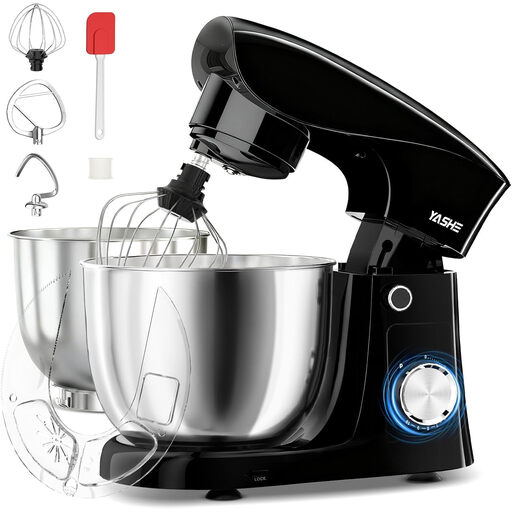
Two bowls can make it easier to prepare separate batches, but remember to check the model’s guidance for processing your bar mixture.
Includes two stainless steel bowls with capacities of 4.5 l and 5 l, more than 10 speed settings, a whisk, dough hook and beater.
 No image available
If you’re looking for a mixer for a firm mixture, check whether the instructions recommend the included mixing hook for your recipe.
Features a 5-l stainless steel bowl, 10 speeds, 600 W, a dough hook, mixing hook, whisk and splash guard.
 No image available
The listed beater may be worth considering for bar mixtures; check the instructions for the specific appliance to see how it should be used.
Specifications include a 4.5-l stainless steel bowl, 1,300 W, six speeds plus a pulse function, and mixing accessories.
 No image available
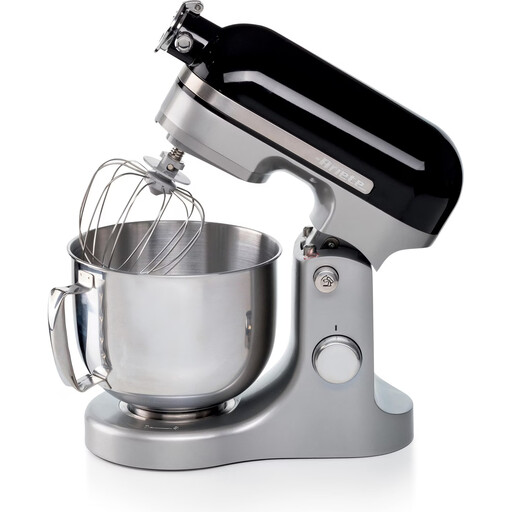
The listed flat beater may be useful for mixing; check the model instructions to see whether it’s suitable for your bar mixture.
The model is listed with a 5.5-l bowl, 1,600 W, 11 speed settings and a flat beater. The product description also mentions built-in scales and dishwasher-safe parts.
 No image available
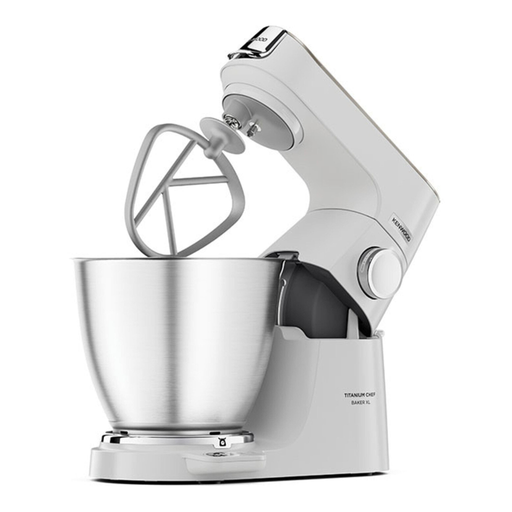
Built-in scales and the mixing attachment may be useful when making repeated batches; check the processing guidance for your specific mixture.
Specifications include a 7-l bowl, 1,200 W, a three-piece patisserie set, built-in scales and a K-beater.
No. The capacity in litres refers to the bowl and doesn’t mean that the same weight is suitable for every recipe. Weigh your batch and compare it with the guidance and instructions for the exact model. Quantities for cake mixture, other cake mixes or yeast dough can’t automatically be applied to bar mixture.
Switch off the appliance and unplug it before changing an attachment or cleaning. KitchenAid recommends these steps for stand mixers with a tilting motor head. Clean the bowl and attachments according to the instructions for each part, rather than assuming the whole appliance is dishwasher-safe.
No. The Verbraucherzentrale distinguishes between your statutory rights when you buy a product and an additional manufacturer’s guarantee, which has its own terms and conditions. If you need accessories or a possible repair, check exactly what’s included and the relevant guarantee terms.
There’s no general yes-or-no answer for a cake sale without more details, as the way it’s sold, how it’s organised and how often it takes place may all matter. Official EU information covers labelling requirements for food sales within its scope, while the Verbraucherzentrale explains the requirements for school kitchens and caterers. Check your specific circumstances with the organiser or the relevant food safety authority, and keep a record of the ingredients you use in case anyone asks.