Large-batch bakers
You want to knead as much of your freezer stash as possible in one batch, so you need reliable figures for the dough and flour quantities in your recipe.


Choose a stand mixer based on the total weight and flour weight of your recipe, and on the limits for the exact model and type of dough – not just the bowl capacity. For a freezer stash you can rely on, it makes more sense to bake your bread or rolls, let them cool completely and then freeze them. King Arthur Baking points out that raw yeast dough may not rise as well after thawing.
You want to knead as much of your freezer stash as possible in one batch, so you need reliable figures for the dough and flour quantities in your recipe.
You can knead several batches and weigh up the permitted dough quantity against the space available and the extra effort involved in removing the dough and cleaning the mixer.
You want to weigh ingredients consistently and keep an eye on the kneading process. Extra features don’t replace checking the capacity limits.
First, work out the dough and flour weights for your recipe and compare both with the figures for the specific model variant. Then decide whether one batch will do or whether several rounds would be more practical for you.
| What you need | What to check before buying | Who is this important to? |
|---|---|---|
| Permitted quantity per batch | Compare your recipe weight and flour quantity with the limits for the specific model. | If I want to knead as much of my freezer stash as possible in one go, I need suitable limits for both dough and flour. Around 36% of consumers put the permitted batch size first. |
| Suitability for enriched yeast dough | Check that the recipe’s consistency and dough weight are compatible with the tool and instructions for the exact variant. | For enriched dough, I want to know whether the stated limit is suitable for my recipe. Around 29% of consumers prioritise the load limits for their type of dough. |
| Effort involved in making several batches | Plan the number of batches based on the recipe quantity and the model’s permitted capacity; check the cleaning instructions. | If I knead several smaller batches, I want to know how much extra preparation and cleaning will be involved. Around 21% of consumers prioritise a practical process for making multiple batches. |
| Ease of use and space | Check the worktop space, clearance needed when opening the mixer and the features included with the specific variant. | If space is limited in my kitchen, where the mixer will go and how easy it is to use matter more than making the largest possible batch at once. Around 14% of consumers prioritise ease of use and the space it takes up. |
A large bowl doesn’t tell you how much dough or flour the specific mixer can handle. For one 5.5-litre model, Bosch lists both a maximum dough quantity and a lower flour limit.
Weigh the flour and the total quantity of your recipe, then compare both with the figures for the exact model variant.
Kenwood’s general Chef XL figures distinguish between firm and soft yeast dough. You can’t automatically apply these figures to every variant or enriched dough.
Check the dough category and the instructions for the specific model before deciding on your batch size.
A review by Testsieger.de gives the GRAEF MYestro KM7016 a weight of 18 kg and notes the space needed when opening it up.
Measure the footprint and the clearance needed at the place where you plan to keep it.
King Arthur Baking points out that raw yeast dough may not rise as well after thawing.
If it suits your recipe, bake your bread or rolls, let them cool completely and then wrap them for freezing.
The Assistent Original may suit larger quantities of dough, provided your recipe, tool and capacity are a good match.
The Serie 6 MUMS6ZS18 may be worth considering if you’re planning a larger batch and would find the scales and timer useful.
The MYestro is an option if you have a permanent space for it and want a clearly stated limit for firm yeast dough.
The Chef XL KVL4110S may suit you if you plan your batches using the dough quantity stated for this exact variant.
The Artisan 5KSM70SHX may be of interest if you’re looking for a 6.6-litre bowl with a bowl-lift design and a stainless steel dough hook included.
The following Joybuy products are described in their product details as stand mixers or dough mixers with a kneading function or dough hook. Compare the specifications with your recipe, and before buying, check the labelling required for the specific appliance and the German safety information.
 Image unavailable
The product details list kneading, as well as built-in scales and a timer. These features may be useful if you regularly weigh and knead ingredients.
Joybuy’s product details list a 5.5-litre bowl and 11 speeds. The safety instructions state that the mixer must be plugged into an earthed socket.
 Image unavailable
The product details list a dough hook as an included accessory, which may appeal if you’re looking for a tool for kneading dough.
Joybuy’s product details list a 5-litre stainless steel bowl, 10 speeds and 600 W. The product details also state that a beater, whisk and splash guard are included.
 Image unavailable
The product details list dough tools and kneading as intended uses. Check that its capacity suits the quantity of dough you plan to make.
Joybuy’s product details list a 4.5-litre stainless steel bowl, 1,300 W, six speed settings and a pulse function.
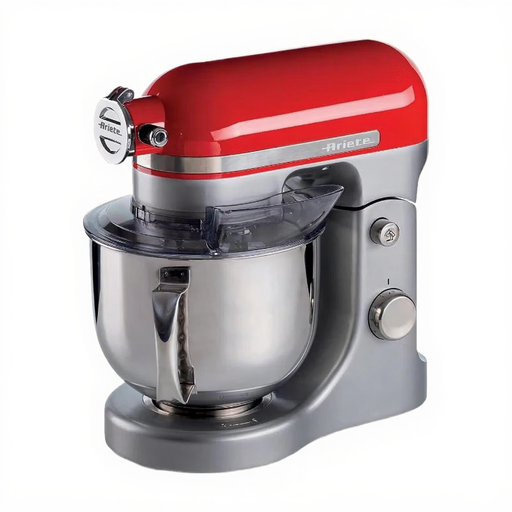 Image unavailable
The product description lists a dough hook and says the mixer is suitable for thick bread and pizza doughs. Compare the permitted quantity with the amount of enriched yeast dough you plan to make.
Joybuy’s product details list 1,600 W, 11 speeds, a 5.5-litre bowl and three accessories.
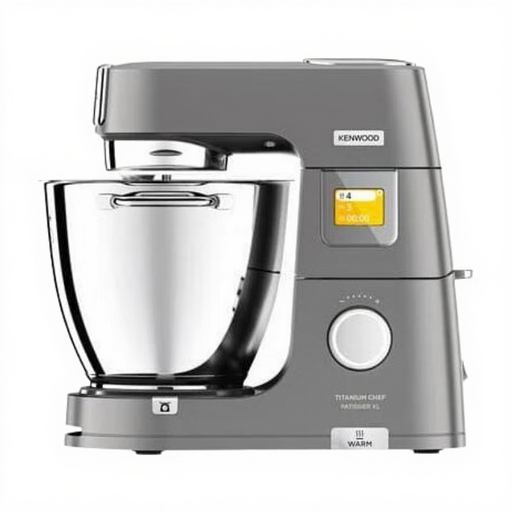 Image unavailable
The product description lists kneading, as well as built-in scales and a timer. These features may be useful when weighing ingredients repeatedly.
Joybuy’s product details list two bowls, with capacities of 7 and 5 litres. Check the permitted dough quantity for the specific model variant and your recipe.
No. Bowl capacity alone isn’t enough to work this out. Compare the total weight and flour weight of your recipe with the specifications for the specific model and type of dough.
Use the dough tool designed for your model and follow the instructions on filling, speed setting, running time and cleaning. KitchenAid recommends speed setting 2 for yeast dough; this advice doesn’t automatically apply to other brands.
For a freezer stash you can rely on, King Arthur Baking recommends baking bread or rolls, letting them cool completely and freezing them well wrapped. Raw yeast dough may not rise as well after thawing; also follow the advice in your recipe.
For purchases in the EU, you have a statutory two-year guarantee against the seller, starting from the date you receive the goods, as Your Europe explains. Any additional manufacturer’s guarantee doesn’t replace this; check its scope and conditions separately.
Check which EU conformity requirements, including CE marking, apply to the specific appliance. According to Your Europe, the manufacturer uses the CE marking to declare that the product meets the relevant EU requirements; it isn’t an approval issued by a central EU body.