Skirts with pressed pleats
If you want to press hems or pleats precisely, you’ll need a suitable ironing surface and should follow the skirt’s care label.


For frequent small loads of cotton skirts with pressed hems or pleats, a steam iron used on a suitable ironing surface is the obvious place to start. A garment steamer is better suited to freshening hanging skirts without creating sharp creases; a steam generator is more suitable if you regularly have larger loads to iron and room for the base. Follow the care label for temperature and steam settings, and check that the specific appliance version complies with the relevant requirements before buying.
If you want to press hems or pleats precisely, you’ll need a suitable ironing surface and should follow the skirt’s care label.
If you usually iron just a few items, consider the tank size, ease of use and space needed in light of how short your ironing sessions tend to be.
If you mainly want to remove light creases from hanging skirts and don’t need sharp pressed edges, a garment steamer could be right for you.
A good fit if: You want to smooth individual skirts on a suitable ironing surface and press hems or pleats precisely.
Things to consider: You’ll need an ironing surface. Check the specific model’s tip, steam control and tank, among other features.
A good fit if: You regularly have larger loads to iron as well as skirts, and have space for the tank and separate base.
Things to consider: The base needs space for use and storage; a large tank doesn’t guarantee time savings when ironing individual skirts.
A good fit if: You want to freshen up a hanging skirt and don’t need sharply pressed edges.
Things to consider: Steaming clothes on a hanger doesn’t apply the same even pressure as an iron’s soleplate.
When you regularly iron small loads of cotton skirts, your choice mainly depends on whether you want to press defined edges, get through quick ironing sessions with ease or freshen up clothes while they’re hanging.
| Priority | What to check when buying | Who this matters most to |
|---|---|---|
| Precise hems and pleats | Care label, plus the shape and accessibility of the iron’s tip; steam and temperature settings. | If I want to press hems or pleats precisely, I look for a suitable tip and ironing surface. Around 36% of consumers put precise pressing first. |
| Quick ironing sessions | Tank capacity and space needed; handling and cable management at the ironing spot. | If I only iron a few skirts at a time, I want my appliance and the effort involved to suit shorter sessions. Around 29% of consumers prioritise ease of use for small loads. |
| Looking after the fabric | The care label for the whole garment and the corresponding temperature and steam settings. GINETEX distinguishes ironing symbols for up to 200 °C, 150 °C and 110 °C; steam must not be used at 110 °C. | If I iron skirts with different care requirements, I don’t want to choose the temperature based on the cotton content alone. Around 21% of consumers prioritise following care instructions. |
| Limescale care | Descaling and water requirements in the instructions for the specific model; how easy it is to access a limescale collector or self-cleaning function. | If I want to keep maintenance manageable, I check how to use the limescale collector or cleaning function on my model. Around 14% of consumers prioritise keeping maintenance to a minimum. |
A garment steamer is designed to smooth clothes on a hanger; it hasn’t been shown to create an equally well-defined, pressed edge.
If you want clearly pressed hems or pleats, consider a steam iron and a suitable ironing surface. A garment steamer is better for freshening clothes when you don’t need this finish.
If you later decide you need pressed edges, you may also need an iron and a suitable ironing surface.
According to the manufacturer, the Tefal SV6115 has a 1.4-l tank, but it also has a separate base. Tank capacity alone doesn’t tell you how practical the appliance will be for a quick ironing session.
Think about how many items you usually iron, and check whether you have room to set up and store the complete steam generator.
GINETEX points out that the permitted ironing temperature depends on the label for the specific garment, not just its fibre type.
Read the care label and appliance instructions before ironing. Only treat delicate details in line with the care instructions provided.
The 3000 Series range includes the DST3041/80 steam iron; the 5000 Series portable garment steamer is designed for a different way of smoothing clothes.
The FV6830 is a steam iron with a limescale collector; the SV6115 is a steam generator for buyers planning longer ironing sessions.
The TexStyle 7 Pro SI 7160 BL is a steam iron with Braun’s FreeGlide 3D soleplate.
The Effective Anti Calc DW4205D1 is a steam iron with a limescale collector and stainless steel soleplate, as described by the manufacturer.
The Powersteam Ultra 20630-56 is a steam iron. Buyers can check its tank size and cable length, among other features, to see whether it suits their ironing space.
This Joybuy selection features steam irons for pressing clothes flat on a suitable ironing surface. Before buying, check that the specific appliance version complies with the relevant requirements, and read the skirt’s care label.
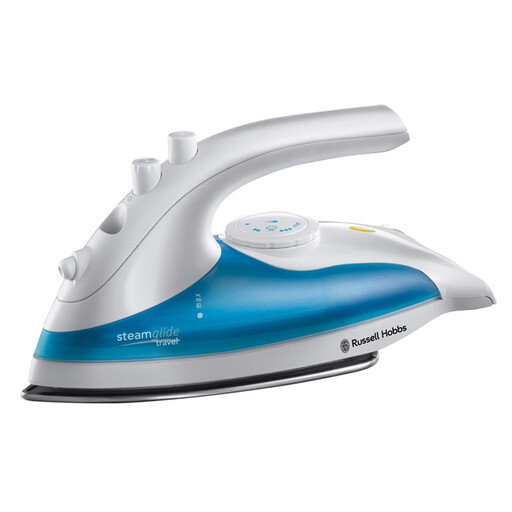 No image available
Described as a travel iron with a soleplate, for quick sessions on an ironing surface.
80-ml tank, 10 g/min continuous steam, stainless steel soleplate, variable steam control, dry ironing option and 1.5-m cable.
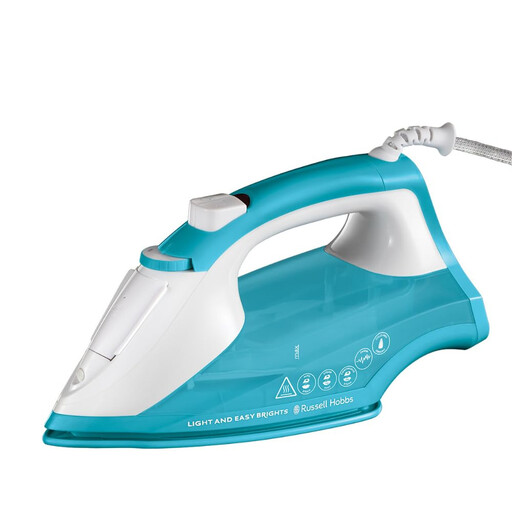 No image available
Described as a compact travel iron for quick ironing sessions.
80-ml tank, 10 g/min continuous steam, stainless steel soleplate, variable steam control, spray function and 1.5-m cable.
 No image available
A steam iron with a soleplate for flat ironing; the product name lists five temperature settings.
350-ml tank, 50 g/min continuous steam, self-cleaning function, plus steam and spray functions.
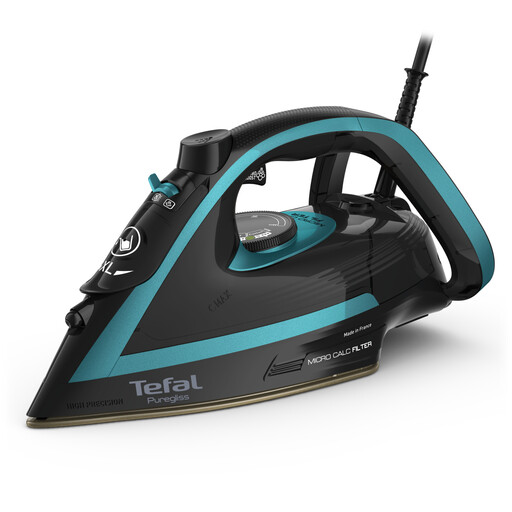 No image available
Described as a steam iron for pressing clothes flat on an ironing surface.
Up to 50 g/min continuous steam, 280 g/min steam boost, Micro-Calc filter and vertical steaming.
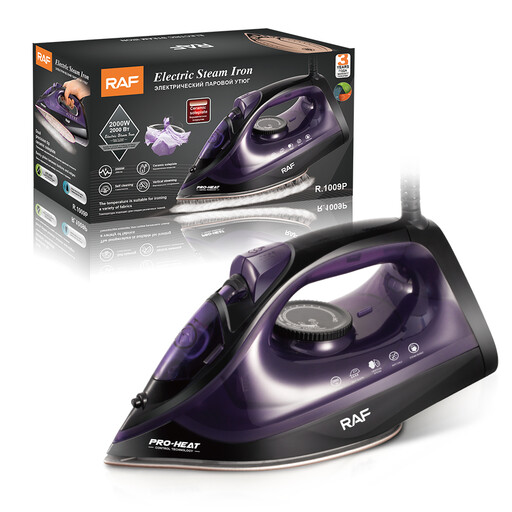 No image available
A steam iron with a ceramic soleplate for flat ironing.
210-ml tank, self-cleaning function, spray function and vertical steaming.
No. The care label for the specific skirt is what matters, not just its fibre type. GINETEX distinguishes ironing symbols for up to 200 °C, 150 °C and 110 °C; the symbol for 110 °C means ironing without steam.
Read the water and descaling instructions for your model. Philips advises against using perfumed water in its irons; on affected models with a temperature dial, using steam below the recommended temperature range can cause water to spit. Don’t assume this Philips advice applies to other models.
For a new mains-powered electric ironing appliance covered by the EU Low Voltage Directive, check that the specific appliance meets the applicable conformity requirements, including CE marking. The European Commission explains that CE marking is a declaration by the manufacturer, not a safety certificate issued by a central EU body; EUR-Lex lists Directive 2014/35/EU. Check the details for the exact version you’re planning to buy.
No. Statutory rights for faulty goods are against the seller; a manufacturer’s guarantee is a voluntary offer subject to its own terms. The Verbraucherzentrale distinguishes between the two, and explains that the seller covers the costs of transport, labour and materials when putting things right.