
Lieferung heute & morgen

Qualitätsgarantie

Willkommens-Angebote freischalten: KOSTENLOSE Lieferung | Bis zu 80 % RABATT | Kostenlose 30-Tage-JoyPlus-Testphase
App herunterladen
A steam cleaner promises hygienic, deep, and chemical-free cleaning for your entire home. However, the market is filled with devices whose performance claims are often more marketing than reality. Many buyers quickly discover that their new appliance only dampens stubborn dirt or that its accessories become useless after just a few uses.
As your Joybuy Product Recommendation Officer, I'll help you identify the crucial features and avoid common purchasing traps. This guide focuses on the technical specs that truly matter for effective and long-lasting cleaning performance.
Before you make a decision, you should be aware of the most common issues that lead to disappointment and unnecessary expense.
To avoid these traps, focus on three verifiable technical metrics. These will determine if a steam cleaner is right for your needs.
These are the most important performance indicators. The pressure determines the force with which the steam hits the surface to mechanically dislodge dirt. The temperature is responsible for disinfection and breaking down grease and oily residues.
The form factor determines the range of applications and handling.
The size of the water tank determines how long you can work without interruption.
Here are some models that represent a considered choice for different user profiles based on their objective specifications.
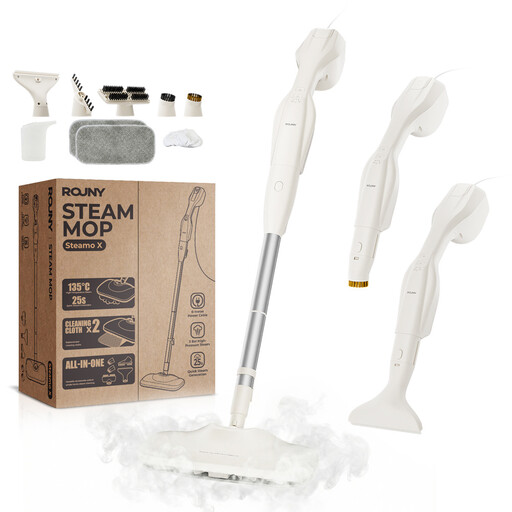
Why This Fits Their Persona: Ideal for households seeking a quick solution for daily floor care and spontaneous cleaning jobs in the kitchen or bathroom. The combination of a steam mop and a detachable handheld unit offers high flexibility without the storage footprint of a large canister model.
The device avoids the "useless accessories" trap with a focused selection of 5 essential attachments. Its two steam levels allow for tailored cleaning and prevent surfaces from just being soaked.
Quick heat-up time of approx. 25 seconds for rapid use. The 2-in-1 design makes it a versatile tool for floors and surfaces.
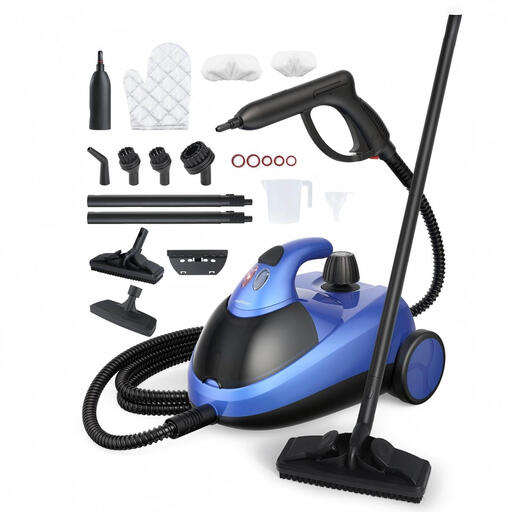
Why This Fits Their Persona: Designed for users who want a powerful all-in-one solution for the entire house. Ideal for families with children or pets, where a thorough, hygienic cleaning of floors, upholstery, and bathrooms is a priority.
This model directly addresses the trap of insufficient steam pressure. With 4 bar pressure and a 145°C temperature, it delivers the power needed for deep cleaning tile grout and breaking down grease, rather than just wetting the surface.
High steam pressure for effective dirt removal. The large 1.5-litre water tank allows for long cleaning sessions without constant refilling.
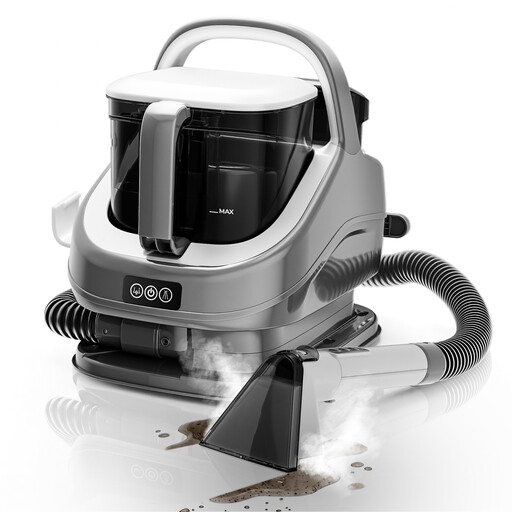
Why This Fits Their Persona: Perfect for pet owners and families who want to spot-clean stains on sofas, carpets, mattresses, or in the car. This device is a specialist for deep textile cleaning, where dirt must not only be loosened but also extracted.
It solves the core problem many steam cleaners have with upholstery: it doesn't just dampen, but extracts the loosened dirt and water thanks to its powerful 13 kPa suction power. The dual-tank system ensures a hygienic separation of clean and dirty water.
Combines three cleaning modes (cold water, hot water, steam) with a strong extraction function. The separate tank system ensures a clean application.
We have compiled a complete, up-to-date list of products that fully meet these strict selection criteria and rigorous safety standards.
Answers to common questions that arise when researching a steam cleaner review or making a purchase.
Yes, caution is advised here. Only use steam cleaners on fully sealed hard floors. On unsealed wood or oiled floorboards, moisture can penetrate and cause the material to swell. The seams of laminate flooring are also sensitive to heat and moisture. It is recommended to always use the lowest steam setting, use a thick microfibre cloth, and never hold the device in one spot for too long. When in doubt, always perform a test on an inconspicuous area.
To prevent limescale buildup in the device and maximise its lifespan, using distilled or demineralised water is the safest method. Some manufacturers also permit a 50:50 mix of tap water and distilled water, especially in regions with soft water. Always check the specific recommendations in your model's user manual. Under no circumstances should you add chemical cleaners, descalers, or fragrances to the water tank.
While the initial purchase price is higher than a conventional mop, the ongoing operating costs are very low. You only need water and electricity. The recurring expenses for chemical floor cleaners, cleaning agents, disposable wipes, or replacement mop heads are completely eliminated. Power consumption depends on the device's wattage and usage time but is generally manageable for typical household cleaning intervals. In the long run, the investment can pay for itself through savings on cleaning supplies.