
Lieferung heute & morgen

Qualitätsgarantie

Willkommens-Angebote freischalten: KOSTENLOSE Lieferung | Bis zu 80 % RABATT | Kostenlose 30-Tage-JoyPlus-Testphase
App herunterladen
A steam cleaner promises hygienic cleanliness using only the power of water—an attractive concept for households that value chemical-free cleaning. But the market is overwhelming, and many devices don't live up to their advertising claims. Before you make a decision, it's crucial to understand the common pitfalls that often lead to disappointment and an unused appliance collecting dust in a closet.
As your Joybuy Product Recommendation Officer, I'm here to help you separate marketing hype from facts. Let's focus on the three most common problems:
To avoid buyer's remorse, let technical specifications—not marketing slogans—guide your choice. These three criteria are essential for making an informed decision.
An effective steam cleaner requires a balanced combination of pressure and heat.
Not every device that uses steam is designed for the same tasks. Choosing the right type is critical for your success when cleaning a sofa or maintaining car seats.
Everyday usability depends heavily on these factors:
Based on the objective criteria mentioned above, we have identified several models that are particularly well-suited for specific user profiles.
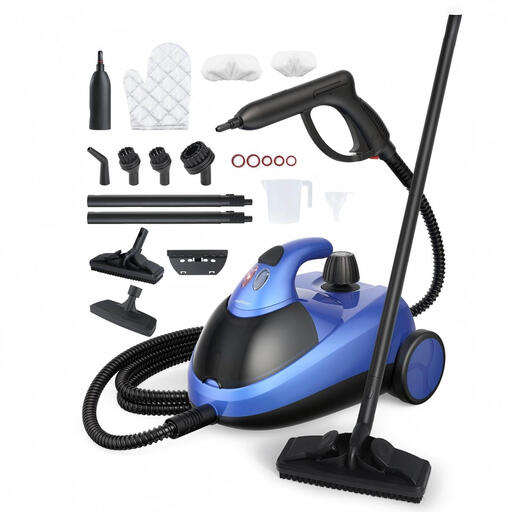
Why This Fits Their Persona: Ideal for users looking for a single device for various tasks around the house—from sealed floors and tiles to windows. A classic all-rounder for basic, chemical-free cleaning.
It bypasses the 'inadequate accessories' trap with a 13-piece accessory kit that includes specific attachments for floors, windows, grout, and more, ensuring a wide range of applications.
A good balance of power (4 bar pressure, 145°C temperature) and capacity (1500 ml tank) for continuous cleaning of larger areas.
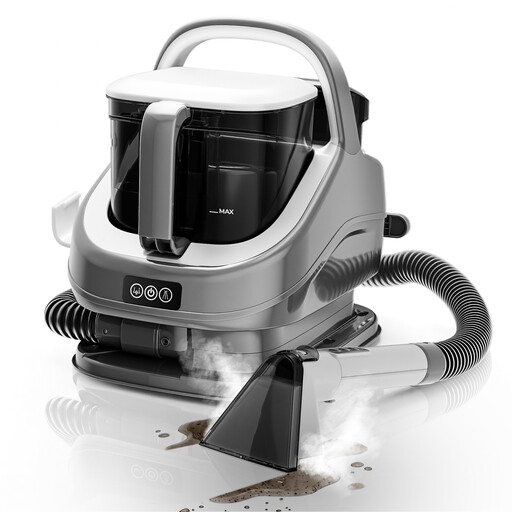
Why This Fits Their Persona: Perfect for pet owners and families whose main focus is removing stains from sofas, carpets, and car seats. A specialised device for targeted textile care.
It avoids the 'all-in-one' trap by focusing on a core competency. The combination of water/steam modes and powerful suction is specifically optimised for upholstery cleaning.
Three cleaning modes (cold water, hot water, steam) for different types of stains and a powerful suction of 13 kPa to effectively remove dirty water.

Why This Fits Their Persona: For users who want uncompromising deep cleaning for upholstery and carpets. This device combines steam with a suction function, acting as an effective steam vacuum.
It solves the problem of misleading performance claims by not only generating steam but also actively vacuuming up the dissolved dirt and moisture. This prevents soaked upholstery and ensures a better result.
Integrated system of spraying, brushing, and suction. The steam at ≥90°C dissolves dirt, which is then directly transferred into the 0.95-litre dirty water tank.
We have compiled a complete, up-to-date list of products that fully meet these strict selection criteria and German safety regulations.
No. While sealed hard floors like tile, vinyl, or stone are ideal, unsealed wood floors, waxed surfaces, or some types of laminate can swell or be damaged by the heat and moisture. Always check the flooring manufacturer's recommendations before using a steam cleaner.
The frequency depends on the water hardness in your area. With hard water, descaling every 20 to 30 uses is recommended to maintain the device's performance and lifespan. Using distilled water can minimise limescale buildup from the start.
Yes, for many allergy sufferers, a steam cleaner is a worthwhile investment. The high temperature of the steam can help reduce dust mites, pollen, and other allergens on surfaces and in textiles. The biggest advantage is the chemical-free cleaning, which doesn't further irritate the respiratory system with fragrances or irritants.