
Lieferung heute & morgen

Qualitätsgarantie

Willkommens-Angebote freischalten: KOSTENLOSE Lieferung | Bis zu 80 % RABATT | Kostenlose 30-Tage-JoyPlus-Testphase
App herunterladen
A steam cleaner promises hygienic cleanliness throughout your home, all without the use of chemicals. However, choosing the right device comes with several pitfalls. Many models boast a long list of accessories but disappoint in practice with inadequate performance or cumbersome handling. Before you make a decision, it's crucial to know the key features that separate a good device from an impractical one.
This guide will help you separate the wheat from the chaff. We'll highlight the most common shortcomings consumers encounter and explain which technical specifications truly matter for making an informed purchasing decision.
To avoid the problems mentioned above, you should carefully check three technical aspects before buying. These largely determine the performance and versatility of your future steam cleaner.
These two values are at the heart of every steam cleaner.
The choice of the right type depends on your primary application.
Practical handling is significantly influenced by these two factors.
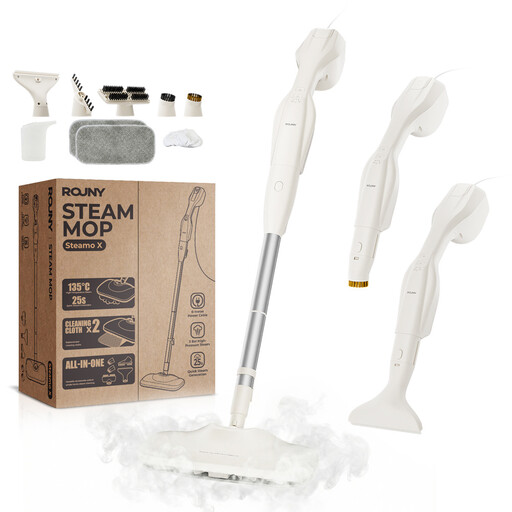
Why This Fits Their Persona: Ideal for households looking for a flexible solution for floors and other surfaces. The device combines the function of a steam mop with a detachable handheld unit without compromising on performance.
With a fast 25-second heat-up time and steam pressure of up to 3 bar, this model bypasses the pitfall of long waits and insufficient power. It's ready to use quickly and is powerful enough for most types of dirt.
2-in-1 Design: Easy to switch between upright and handheld modes. Two Steam Levels: Adjustable power for different surfaces and levels of grime.
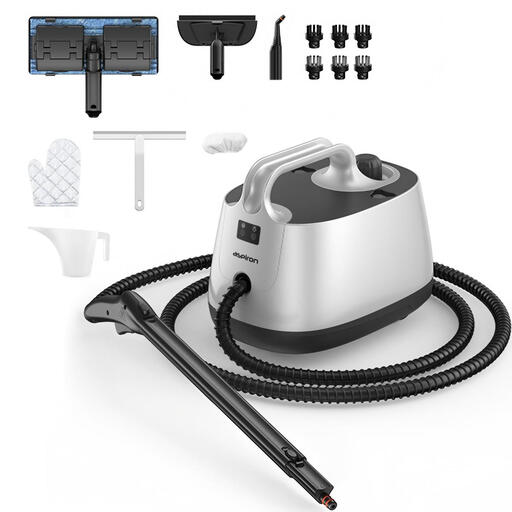
Why This Fits Their Persona: Perfect for users who need a high-performance solution for the entire house, from floors and windows to car seats. Ideal for annual deep cleans or households with high hygiene standards.
With 4 bar of steam pressure and a large 1.5-litre water tank, this device solves the problem of insufficient power and short runtimes. It offers the necessary force and endurance for intensive cleaning tasks.
High Steam Pressure: Effectively dissolves grease, limescale, and stubborn dirt. Large Accessory Kit (21 pieces): Provides the right attachment for almost any surface.
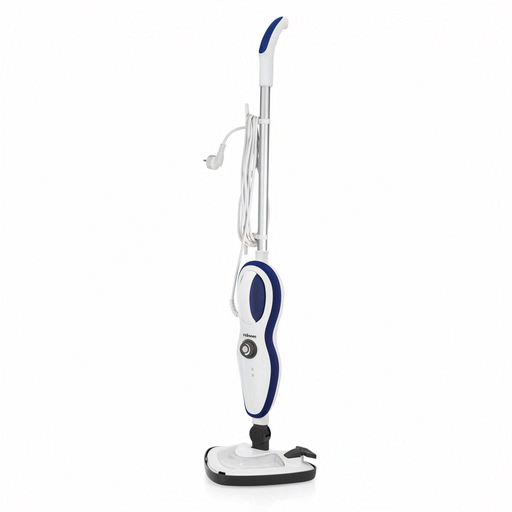
Why This Fits Their Persona: A great choice for anyone looking for a straightforward device for regular hard floor cleaning. The fast heat-up time and lightweight design make it ideal for quick use in between cleanings.
This model focuses on the essentials: quick readiness (30 seconds) and easy handling. It avoids the pitfall of an overloaded, complicated device, making it a practical helper for everyday life.
Fast Heat-Up Time: Ready to use in just 30 seconds. Detachable Water Tank: Easy to fill under the tap. The V-shaped head makes cleaning corners easier.
We have compiled a complete, up-to-date list of products that fully meet these strict selection criteria and German safety regulations.
No, caution is advised on unsealed wood floors (e.g., oiled parquet), laminate with non-waterproof joints, and waxed surfaces. The high temperature and moisture can cause the material to swell or damage the seal. On sealed hard floors like tile, vinyl, or sealed parquet, use is generally safe. It is recommended to first test the device on an inconspicuous area.
The frequency depends on the water hardness in your area and how often you use it. With hard water, it is advisable to descale the device every 2-3 months to ensure consistent steam performance and extend its lifespan. Some models have a self-cleaning function or special descaling cartridges. Using distilled water can significantly reduce the need for descaling.
Chemical-free cleaning with steam has the advantage of working solely through high temperatures. According to many manufacturers, the hot steam (often over 100°C / 212°F) kills up to 99.9% of common household bacteria and germs. This makes it a suitable method for households with children, pets, or allergy sufferers, as no chemical residues are left on the surfaces.