
Lieferung heute & morgen

Qualitätsgarantie

Willkommens-Angebote freischalten: KOSTENLOSE Lieferung | Bis zu 80 % RABATT | Kostenlose 30-Tage-JoyPlus-Testphase
App herunterladen
As your Joybuy Product Recommendation Officer, I see countless people every day searching for an effective, chemical-free cleaning solution for their homes. A steam cleaner promises hygienic cleanliness using only the power of hot water. However, the market is flooded with devices whose performance often falls short of their promises. Before you make a decision, it's crucial to understand the most common pitfalls that can lead to disappointment and unnecessary expense.
This guide will help you understand the key technical features and find a device that truly meets your needs—whether for deep cleaning upholstery, eliminating allergens, or maintaining car seats.
Many devices advertise impressive features, but their weaknesses often become apparent in practice. Pay close attention to these three points to avoid a bad purchase:
To avoid these pitfalls, you should focus on the objective performance data of a device. These three criteria are crucial for an effective and satisfying clean.
These two values are the heart of any steam cleaner. They are essential for a true deep clean.
The functionality determines which tasks the device is suited for.
These practical aspects determine convenience and versatility.
Here are some models that, based on their technical specifications and features, represent a considered choice for specific user profiles.
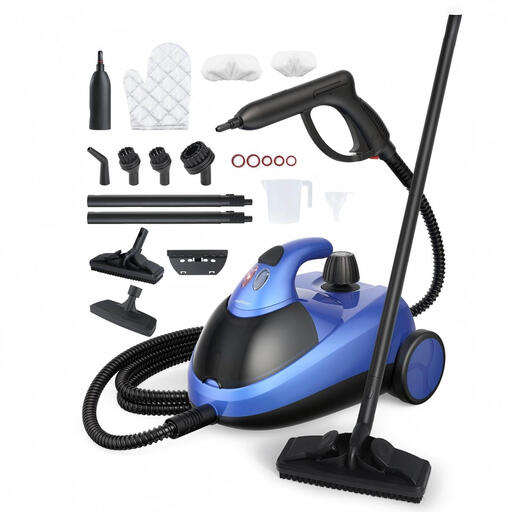
Why it's a good fit: Ideal for users who primarily want to clean sealed hard floors, tiles, and bathrooms without chemicals. It's a classic steam cleaner that focuses on powerful steam performance.
With 4 bar of steam pressure and a temperature of 145°C, it avoids the "lukewarm effect." The large 1500 ml tank prevents constant interruptions during floor cleaning.
The extensive 13-piece accessory kit offers great flexibility for various cleaning tasks around the house, from floors to windows.
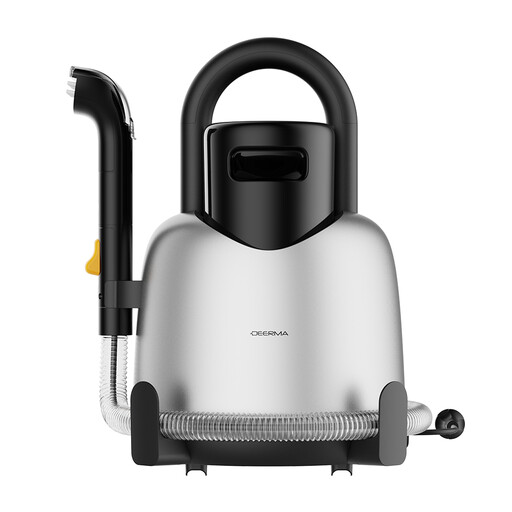
Why it's a good fit: This device is an upholstery and spot cleaner specifically designed for stain removal and deep cleaning of textiles. Ideal for households with children or pets where stains on the sofa or carpet are a common occurrence.
The combination of 100°C steam and 13 kPa suction power not only loosens dirt but also removes it directly from the fibres. This prevents dirt from being pushed deeper into the fabric.
Three cleaning modes (Steam, Hot Water, Cold Water) and a dual-tank system (1.7L fresh water, 1.4L dirty water) offer high flexibility and efficiency for different types of messes.
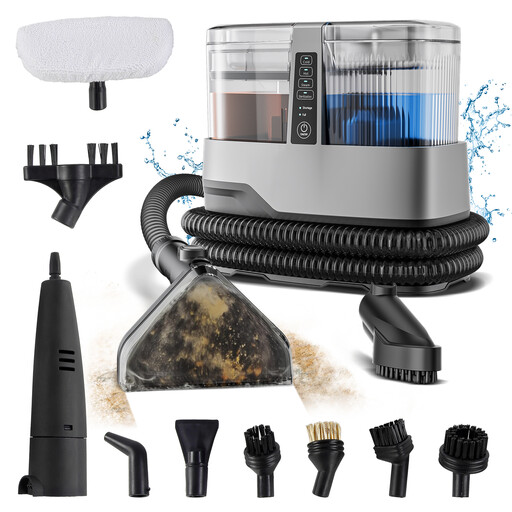
Why it's a good fit: For users seeking a powerful all-in-one device for the entire household. It combines the functions of a steam cleaner, carpet washer, and dry vacuum for maximum versatility.
This model addresses all three pitfalls: it offers a steam function for deep cleaning, a very high suction power of 17 kPa to remove dirt and water, and a multifunctional 13-in-1 feature set.
The combination of high power (1800W) and the ability to both wet and dry vacuum makes it a comprehensive solution for carpets, upholstery, car seats, and hard floors.
We have compiled a complete, up-to-date list of products that fully meet these strict selection criteria and UK/EU safety regulations.
1. What is the difference between a steam cleaner and a steam vacuum? A steam cleaner uses hot steam to loosen dirt. The loosened dirt must then be manually removed with a cloth. A steam vacuum is a combination device that not only loosens dirt with steam but also vacuums it up along with the excess water in the same pass. This makes it particularly suitable for textiles like upholstery, carpets, and mattresses.
2. How often should you descale a steam cleaner? The frequency depends on the water hardness in your area and how often you use it. With hard water, descaling is recommended every 20 to 30 uses to maintain the device's performance. Many manufacturers provide specific recommendations in the user manual. Using distilled water can significantly reduce the need for descaling.
3. Can you really clean all surfaces with a steam cleaner? No. While steam cleaners are very versatile, they are not suitable for all materials. Unsealed wood floors, waxed or oiled surfaces, delicate plastics, and some velour fabrics can be damaged by the high temperature and moisture. Always test the device on an inconspicuous area first.