
Lieferung heute & morgen

Qualitätsgarantie

Willkommens-Angebote freischalten: KOSTENLOSE Lieferung | Bis zu 80 % RABATT | Kostenlose 30-Tage-JoyPlus-Testphase
App herunterladen
A steam cleaner promises a deep, chemical-free clean using only the power of hot water. However, the market is filled with devices whose performance specs often overpromise and underdeliver. If you overlook the critical details, you risk investing in a machine that brings more frustration than cleanliness. Before you make a decision, it's essential to understand the most common pitfalls that lead to buyer's remorse.
The biggest disappointments often stem from three common problems:
To make an informed purchasing decision, you should focus on the technical parameters that determine actual cleaning performance. Marketing buzzwords are secondary.
These two values are inextricably linked and are crucial for an effective, chemical-free clean.
The size of the water tank determines how long you can work continuously. It's about finding the right trade-off for your needs.
A multi-function steam cleaner is only as good as its attachments. Instead of focusing on the sheer number of accessories, check their functionality for your specific use cases. Essential attachments include:
Some models also offer specific accessories for upholstery cleaning or for use as a car steam cleaner to hygienically refresh seats and interiors.
The choice of the right cleaning device depends on the specific use case. Here are some options tailored to different needs.

Why It's a Match: Ideal for users looking for a versatile solution for the entire home. Suitable for floors, kitchens, and bathrooms to ensure a thorough, hygienic clean without chemicals.
The device combines a very short 15-second heat-up time with a large 1.6-litre tank, enabling a run time of up to 48 minutes. This bypasses the problem of constant refilling breaks.
The 3.5 bar steam pressure is solid for household tasks. The 6-level steam control allows for adjustment to suit both delicate and robust surfaces.
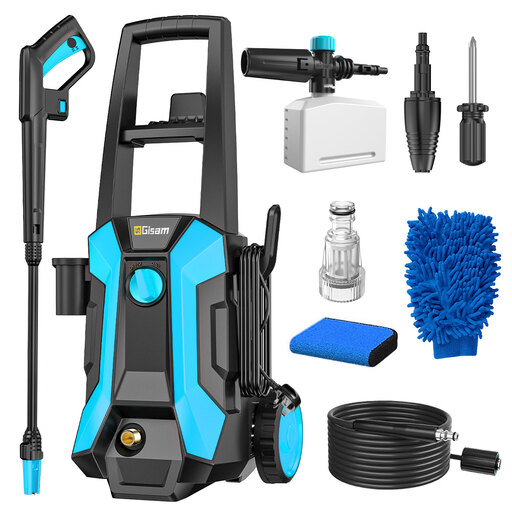
Why It's a Match: For tasks where a steam cleaner reaches its limits. Ideal for cleaning patios, fences, driveways, and vehicles where high water pressure is needed.
This device isn't a steam cleaner but a specialist for outdoor use. It avoids the disappointment of using an unsuitable tool for heavy grime on stone or concrete.
The high pressure of 180 bar and a water flow of 480 L/H allow for fast and efficient removal of stubborn dirt. The integrated hose reel keeps things tidy.
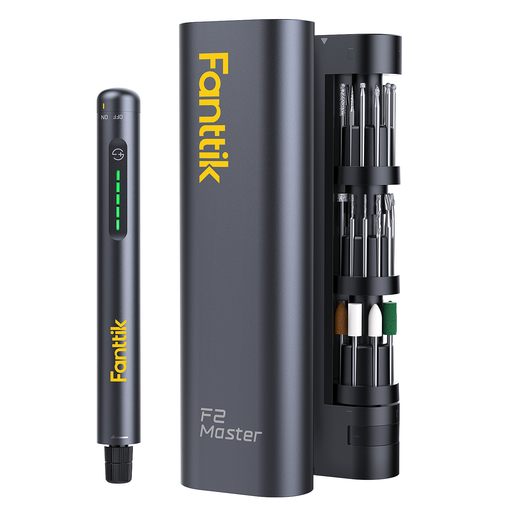
Why It's a Match: For users who need to perform delicate cleaning, polishing, or restoration tasks where a steam cleaner's attachments are too large and cumbersome.
It solves the problem of steam cleaner brushes, even the smallest ones, being too coarse for fine grout lines or detail work. This tool provides the necessary precision for such tasks.
The device is cordless and very lightweight. With 5 speed settings and 35 accessories, it is extremely versatile for grinding, polishing, engraving, and other DIY tasks.
We have compiled a complete, up-to-date list of products that fully meet these strict selection criteria and rigorous safety standards.
The frequency of descaling depends directly on the water hardness in your area. With hard, calcareous water, descaling may be necessary every few months. To minimise limescale build-up from the outset, using distilled or demineralised water is recommended. In any case, always follow the manufacturer's specific instructions in the user manual.
Yes, the high temperature of the steam is the key factor. When applied correctly, steam over 100°C (212°F) can kill most common household bacteria, germs, and dust mites on surfaces. This is a form of thermal disinfection. However, it's important to understand that this provides sanitisation, not medical-grade sterilisation.
Great caution is advised here. A steam cleaner is unsuitable for unsealed, oiled, or waxed wood floors, as the moisture and heat can cause the wood to swell and become damaged. For fully sealed parquet or laminate floors, a steam cleaner can be used on the lowest steam setting with a thick microfibre cloth. Work quickly and do not let moisture pool on the floor. It is strongly recommended to test the process on an inconspicuous area first.