
Lieferung heute & morgen

Qualitätsgarantie

Willkommens-Angebote freischalten: KOSTENLOSE Lieferung | Bis zu 80 % RABATT | Kostenlose 30-Tage-JoyPlus-Testphase
App herunterladen
A steam cleaner promises hygienic cleanliness using only the power of hot water—an attractive solution for households with children, pets, or allergy sufferers. But the market is flooded with devices making bold promises. If you don't look closely, you can quickly invest in a model that brings more frustration than cleanliness. As your Joybuy Product Recommendation Officer, I'll help you identify the crucial features and avoid common marketing traps.
Before we dive into the technical details, let's look at the most common reasons for making a poor purchase. Many devices look good on paper but disappoint in practice.
To make the right choice, focus on the following practical parameters. These determine whether a steam cleaner will effectively handle your cleaning tasks.
The design of the device should match your primary cleaning goals.
Don't be dazzled by individual numbers. The interplay of the values is what counts.
Instead of making a one-size-fits-all recommendation, we have selected models tailored to specific needs and household types.
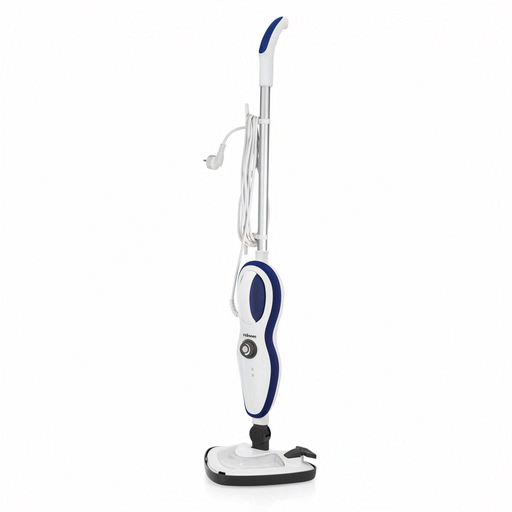
Why This Fits Their Persona: Ideal for users who want to clean both floors and other surfaces like tiles, windows, or countertops without having to buy two separate devices. The 2-in-1 function offers maximum versatility.
The device avoids the long-wait trap with a heat-up time of just 30 seconds. The removable water tank also addresses the problem of cumbersome refilling.
The combination of a steam mop and handheld steam cleaner in one unit, along with its rapid readiness, makes it a practical everyday helper.
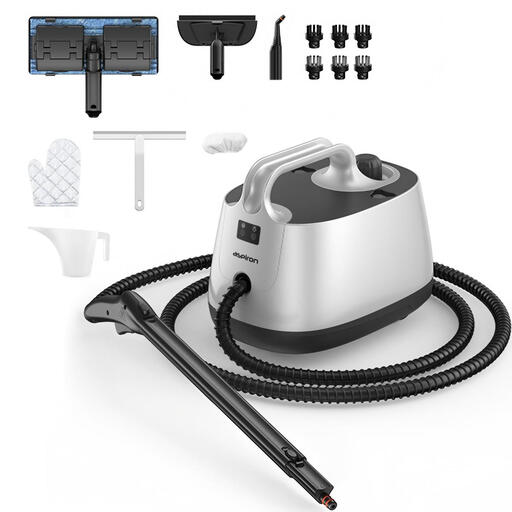
Why This Fits Their Persona: Perfect for homeowners or renters who want to tackle stubborn dirt on tiles, in grout, or on upholstery. The high pressure and large tank are suitable for intensive cleaning projects.
This model escapes the trap of short operating times thanks to its 1.5-litre water tank. While the accessory kit is extensive, it is designed for demanding tasks like grout and upholstery cleaning, making it functional.
The high steam pressure of 4 bar combined with the large tank allows for continuous and powerful deep cleaning without frequent interruptions.
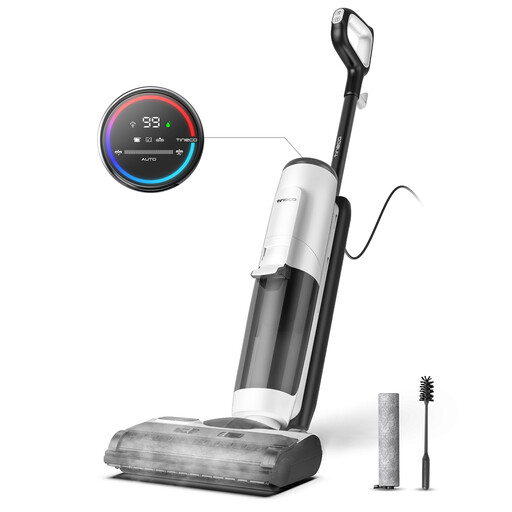
Why This Fits Their Persona: For anyone short on time who seeks maximum efficiency in floor cleaning. This device vacuums and steam-cleans hard floors in a single step, significantly reducing cleaning time.
Instead of offering many mediocre functions, this device focuses on one core competency: combining vacuuming and steaming. It's a specialist, not a compromise, and delivers high performance in its field.
Its function as a vacuum and steam cleaner in one is the decisive advantage. It removes loose debris and hygienically cleans the floor with steam simultaneously.
We've compiled a complete, up-to-date list of products that fully meet these strict selection criteria and UK safety regulations.
1. Can I use tap water in a steam cleaner? Generally, yes. Most manufacturers approve their devices for use with normal tap water. However, with very hard, calcareous water, the use of distilled or demineralised water is often recommended to prevent limescale buildup in the device and extend its lifespan. A look at the user manual for the specific model will provide precise information.
2. On which surfaces should a steam cleaner not be used? Caution is advised on unsealed surfaces. This includes untreated wood, unsealed cork floors, or laminate with open joints, as the moisture can cause swelling damage. On waxed or oiled wood floors, the hot steam can also remove the protective layer. It is also not advisable to use it on heat-sensitive materials such as some plastics, velvet, or silk. When in doubt, always test the device on an inconspicuous area first.
3. How important is the steam pressure (bar) really? Steam pressure is one factor, but not the only decisive one. It helps to mechanically dislodge dirt from pores and joints. For home use, values around 3 to 4 bar are usually perfectly adequate. At least as important is a consistently high steam temperature, as it is responsible for the hygienic effect and for dissolving grease. Extremely high pressure is not necessary and, as mentioned, can damage sensitive materials.