
Lieferung heute & morgen

Qualitätsgarantie

Willkommens-Angebote freischalten: KOSTENLOSE Lieferung | Bis zu 80 % RABATT | Kostenlose 30-Tage-JoyPlus-Testphase
App herunterladen
A steam cleaner can clean floors, tiles, grout, windows and selected textiles using heated water. To ensure your purchase is genuinely practical for your home, you shouldn't just focus on wattage or the number of accessories. What really matters are the intended use, surface compatibility, tank design and whether the appliance also vacuums up dirty water.
A high power rating only describes the appliance's electricity consumption. It doesn't tell you how much steam actually reaches the nozzle or how consistently the performance is maintained. What's also important are heat-up time, steam pressure, temperature control and water flow.
A 2,000-watt appliance may be suitable for larger areas, while a compact handheld steam cleaner with lower power can be more practical for spot tasks. Always consider wattage alongside tank size and your intended use.
Steam isn't suitable for every material. Unsealed wood, delicate plastics, natural fibres like silk and heat-sensitive surfaces can be damaged by moisture and temperature. Even with laminate or parquet, always follow the floor manufacturer's care instructions.
Before cleaning a large area, test on an inconspicuous spot. With cold glass, apply steam from a greater distance first, as extreme temperature differences can cause stress fractures.
A steam cleaner with accessories may seem versatile, but every extra part should serve a clear purpose. Floor nozzles, crevice tools, brush attachments and window squeegees cover different tasks. For carpets and upholstery, it's also important whether the appliance only delivers steam or also vacuums up liquid and loosened dirt.
If you regularly clean carpets, car seats or sofas, consider a steam vacuum cleaner or steam mop vacuum with a dirty water tank. A classic steam mop, on the other hand, is mainly designed for sealed hard floors.
The stated steam pressure in bar is a technical comparison value. Higher values can help with grout, fixtures or stubborn deposits, but require a suitable nozzle and a safe distance. For delicate surfaces, adjustable steam output is more important than the highest possible maximum value.
Heat-up time ranges from a few seconds to several minutes, depending on the model. For small messes, a quick-starting handheld steam cleaner is convenient. For a thorough clean of the kitchen and bathroom, a larger tank may be more important than the shortest start-up time.
A small tank reduces weight and warm-up time, but needs refilling more often. A model with around 1.5 to 1.6 litres is better suited for longer sessions, but takes up more space and can be harder to manoeuvre.
Look out for:
For hard tap water in the UK, the manufacturer's care instructions are especially important. Only use the approved type of water and never add cleaning agents, fragrances or alcohol to the tank unless the manual explicitly allows it.
A steam mop loosens dirt with steam and usually picks it up with a cloth. That's sufficient for daily care of sealed hard floors. A steam vacuum cleaner, on the other hand, combines steam, brush and suction. This is practical for liquids, carpets and upholstery, but brings additional filter, tank and cleaning tasks.
For a steam cleaner for grout, narrow nozzles and small brushes are essential. A steam cleaner for windows needs a suitable squeegee. For carpets and upholstery, check the care label first and always test on a hidden area.
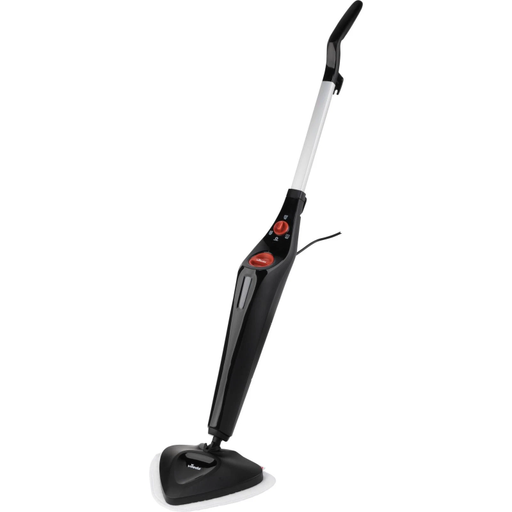
Why this product fits the profile: This lightweight floor steam cleaner is designed for sealed hard floors and tiles, making it ideal for regular cleaning without the need for detergents.
The product details clearly state its intended use on hard floors and tiles. The 0.4-litre tank and stated operating time of up to 15 minutes make the limited floor coverage transparent.
1550 watts, 2.8 kg weight, carpet glider and adapter; suitable for short cleaning sessions on appropriate floors.
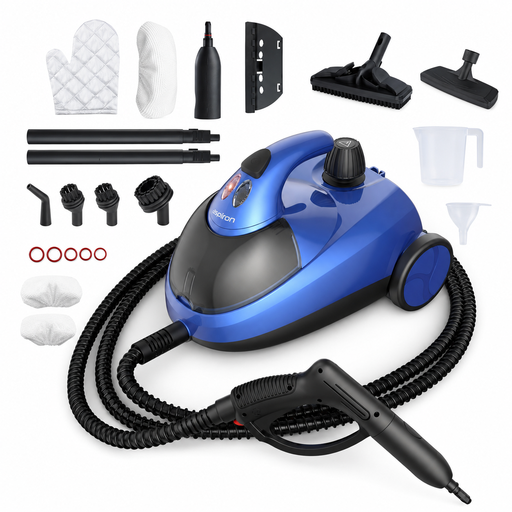
Why this product fits the profile: This model combines 2000 watts, up to 4 bar, a 1.5-litre tank and a 13-piece accessory set for various areas around the home.
The usage limits are clearly stated: surfaces must be steam-safe, and delicate materials should be tested first. This reduces the risk of a bad purchase caused by a blanket "suitable for everything" expectation.
Accessories for floors, grout, glass and selected textiles; up to 45 minutes of steam according to the product description.

Why this product fits the profile: Families, pet owners and vehicle users benefit from the combination of steam, brush, spray function and suction for tackling spot stains.
The separate tanks for clean and dirty water show that loosened dirt is collected rather than just spread around. Both containers must be emptied and cleaned after the appliance has cooled down.
1.6-litre clean water tank, 0.95-litre dirty water tank, 1650 watts and, according to the product description, heats up within 30 seconds.
We've put together a complete, regularly updated list of products that fully meet these strict selection criteria and the safety regulations in force in the EU.
To ensure the longest possible lifespan, let your steam cleaner cool down after every use, empty the tank and clean cloths, brushes and filters according to the instructions. Limescale deposits can affect nozzles and the heating system. Only descale the appliance using the method specified by the manufacturer.
With chemical-free cleaning, only water is heated. This can reduce ongoing spending on certain cleaning products, but you'll still have electricity costs, water usage and possibly the cost of replacement pads or filters. The actual cost-effectiveness therefore depends on how often you use it, your energy tariff and maintenance requirements.
Steam appliances must not be used on people, animals, plug sockets or electrical devices. Children should not have access to the appliance when it's connected. When changing attachments, switch off the appliance and let it cool down completely.
Only if the floor is sufficiently sealed and approved for steam cleaning by the manufacturer. Too much moisture or heat can damage joints, coatings and wood surfaces. Always follow the floor manufacturer's care instructions and test on a hidden area first.
A steam mop loosens dirt mainly with hot steam and a cleaning cloth. A steam vacuum cleaner also has a suction function and usually a dirty water tank. It's therefore more suitable for liquids, carpets and upholstery, but also requires more effort to clean and maintain.
There's no fixed lifespan that applies to all models. It depends on build quality, water hardness, how often you use it and how well you maintain it. Regularly emptying the tank, descaling correctly, keeping filters dry and using the right attachments will help keep your appliance working well for longer.