
Lieferung heute & morgen

Qualitätsgarantie

Willkommens-Angebote freischalten: KOSTENLOSE Lieferung | Bis zu 80 % RABATT | Kostenlose 30-Tage-JoyPlus-Testphase
App herunterladen
The search for an efficient and hygienic cleaning solution leads many to a steam cleaner with a mopping function. These devices promise chemical-free cleaning using only the power of hot water vapor. However, the market is filled with models whose advertised features often fail to impress in practice. Before you make a decision, it's crucial to understand the typical pitfalls that can lead to an unsatisfactory result.
As your Joybuy Product Recommendation Officer, I'll help you identify the critical features and make an informed choice.
Many devices advertise impressive features, but the reality is often different. Pay attention to these three points to avoid a bad purchase:
To separate the wheat from the chaff, focus on verifiable technical specifications that have a direct impact on cleaning performance and user-friendliness.
These two values are at the core of every steam cleaner.
A truly useful steam floor cleaner is distinguished by its flexibility. A key feature is an easily detachable handheld steam cleaner. Check if the detachment mechanism is simple and sturdy. Also, pay attention to the quality of the included attachments. A robust brush for grout or a nozzle for windows is more valuable than a dozen flimsy plastic parts that become useless after a short time.
Some features offer real added value in daily use:
Based on the criteria mentioned, we have compiled products for different needs and floor types.
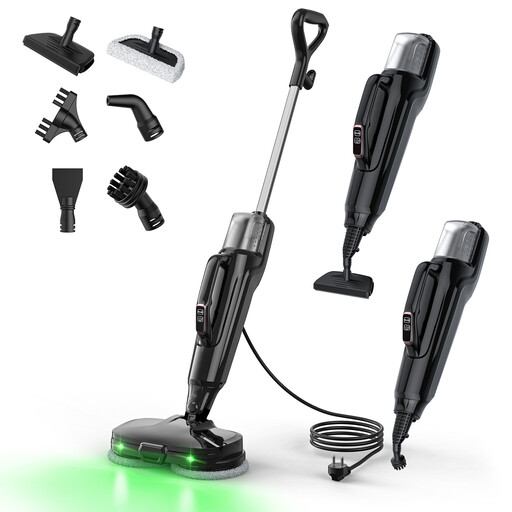
Why This Fits Their Persona: Ideal for households with various floor types and high standards for hygiene. The combination of steam cleaning, a polishing function, and a detachable handheld unit covers nearly all cleaning tasks—from hard floors and grout to windows and textiles.
The high heating power of 1580W ensures consistently hot steam, avoiding the problem of insufficient cleaning power. The 6-in-1 design is well-thought-out, and the handheld unit can be conveniently used for targeted tasks.
Dual-motor system for simultaneous steam cleaning and polishing; integrated LED light for dirt detection; removable 500ml water tank.
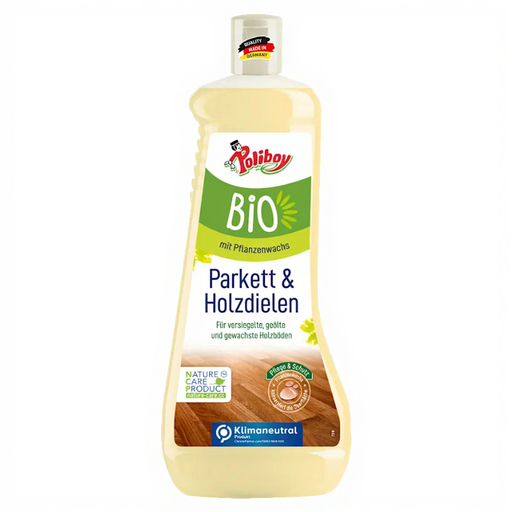
Why This Fits Their Persona: For owners of sealed or oiled wood and parquet floors where the use of steam cleaners is not recommended. This product offers a safe and nourishing alternative to preserve the value of the floor.
It avoids the biggest mistake: using an unsuitable cleaning device on sensitive surfaces. Instead of damaging the floor with excessive moisture or heat, it specifically nourishes the material.
Specifically developed for wood and parquet floors; contains nourishing carnauba wax; no wiping or polishing required.
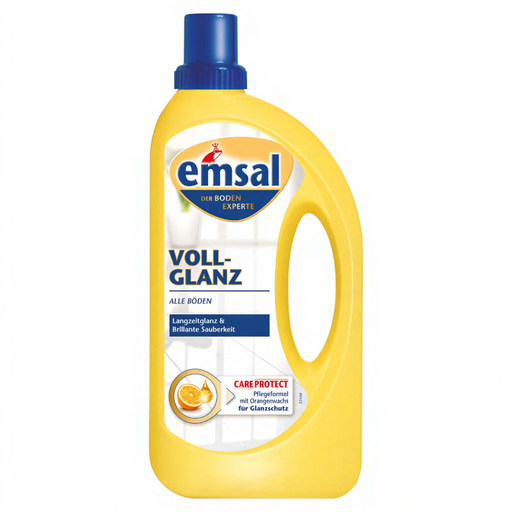
Why This Fits Their Persona: A complementary product for anyone who wants a long-lasting shine and a protective layer on their water-resistant floors after the initial cleaning. Ideal for maintaining and protecting against everyday wear and tear.
This product focuses on one job: care and shine. It doesn't promise all-in-one miracles but delivers a reliable result for the specific purpose of finishing the floor after cleaning.
Provides a protective layer against scratches and scuff marks; the Bioprotect formula protects against moisture; suitable for all water-resistant floors (except laminate and unsealed wood).
We've compiled a complete, up-to-date list of products that fully meet these strict selection criteria and safety standards.
No, caution is advised. While sealed hard floors like tile, stone, or sealed parquet are generally well-suited, unsealed wood floors, laminate, or vinyl can swell or be damaged by the high temperature and moisture. Always read the instructions from the flooring manufacturer and the device manufacturer before use. When in doubt, test on an inconspicuous area.
In most cases, no. A steam mop for hard floors is designed to loosen stuck-on dirt, stains, and bacteria. It does not suck up loose particles like hair, crumbs, or dust. For an optimal result, you should thoroughly vacuum the floor before steam cleaning to remove loose debris.
Regular descaling is crucial for the longevity and performance of the device. Limescale from tap water can clog the nozzles and the heating system, leading to reduced steam output and eventually a defect. The frequency of descaling depends on the water hardness in your area. Follow the manufacturer's recommendations for this.