
Lieferung heute & morgen

Qualitätsgarantie

Willkommens-Angebote freischalten: KOSTENLOSE Lieferung | Bis zu 80 % RABATT | Kostenlose 30-Tage-JoyPlus-Testphase
App herunterladen
A steam cleaner can support a wide range of cleaning tasks using water and heat—from sealed hard floors and tile grout to suitable glass surfaces. However, eye-catching marketing claims do not automatically point to the right appliance. The key factors are the technical specifications, surface compatibility and the accessories you actually need.
Specifications such as 4 bar or high temperature values describe technical performance, but alone reveal little about practical usability. A concentrated steam jet can loosen deposits, but stubborn dirt often still requires additional mechanical effort. Moreover, not every surface is suitable for intensive heat.
A steam cleaner with a large selection of accessories may appear versatile when it comes with numerous nozzles, brushes and cloths. What matters, however, is whether the attachments suit your household. Anyone who only wants to clean floors needs different components from users who also want to tackle windows, grout, fittings and upholstery.
A small tank may be sufficient for a quick kitchen clean, but in larger homes it can lead to frequent refill breaks. When choosing a steam cleaner with a large water tank, buyers should also consider heat-up time, weight, cable length and the cooling period required before refilling. A larger tank generally also increases the appliance’s weight.
Steam pressure is measured in bar. Models with up to 4 bar, such as the ASPIRON AS-CA042, provide a comparable technical reference point for targeted cleaning tasks involving grout, corners and fittings. Actual performance also depends on nozzle size, distance, material and the type of soiling.
A short heat-up time is convenient for regular use. According to the product specifications, a steam mop such as the Shark S6003EU heats up in around 30 seconds. This can be practical for individual rooms, while larger appliances with greater tank capacity may require more preparation time.
A 1.5-litre tank can make it easier to plan cleaning sessions. The AS-CA042 is specified as providing up to 45 minutes of steam and featuring a 1.5-litre water tank. This should be understood as a manufacturer’s “up to” figure and may vary depending on steam output and the attachment used.
Compact steam mops often have smaller tanks. The Shark S6003EU is described as having a capacity of 380 millilitres and an output of 1,200 watts. Its lower weight of 2.7 kilograms can make floor cleaning more comfortable, but it also means less water reserve.
A steam cleaner for floors should only be used on surfaces suitable for steam cleaning. Sealed tiles, stone surfaces, vinyl, or sealed wood and laminate floors approved by the manufacturer may be suitable. For parquet, laminate, painted surfaces, natural stone, delicate textiles and grout, always follow the care instructions provided by the flooring or material manufacturer.
For a steam cleaner for bathrooms and kitchens, jet nozzles and brush attachments are useful. A steam cleaner for tiles and grout should ideally include a narrow nozzle and suitable detail brushes. A steam cleaner for windows should be equipped with a squeegee or rubber blade. For upholstery, only treat materials explicitly approved for steam cleaning and test the appliance first in an inconspicuous area.
Steam can enable cleaning without added detergents. “Chemical-free cleaning” does not mean that every type of dirt will be removed without further work. Cleaning agents, fragrances, vinegar or other liquids may only be used if the operating instructions expressly permit them. For the appliances listed below, the respective manufacturer’s instructions are authoritative.
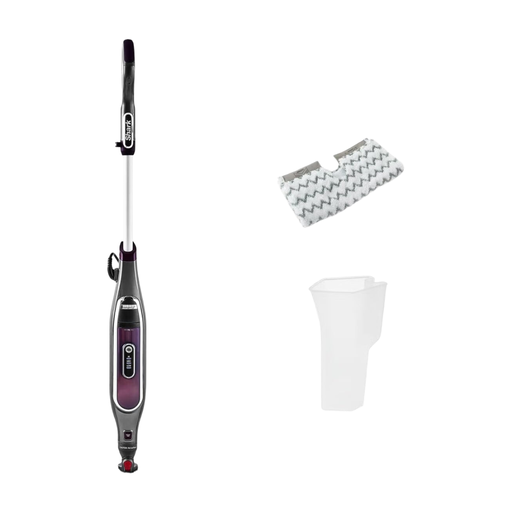
Why it’s a good fit: For households with predominantly sealed hard floors and short, regular cleaning sessions. Its low weight and 6-metre cable make it easier to work without frequently changing sockets.
The two washable cleaning pads reduce ongoing consumables. Adjustable steam control allows the appliance to be adapted to different suitable hard floors.
1,200 watts, 380 ml tank, 30-second heat-up time, 6 m cable and Steam-Blast function according to the product description.
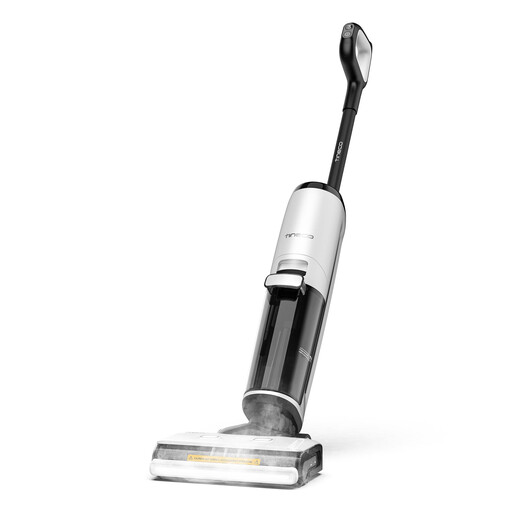
Why it’s a good fit: For users who want to clean hard floors in a single pass and value cordless operation, edge-to-edge cleaning and a self-cleaning function.
The model is specifically designed for suitable hard floors. This avoids choosing a combination appliance with accessories for tasks that are not actually needed.
4.9 kg, cordless design, self-cleaning, edge cleaning and Forward-Drive function according to the product specifications.
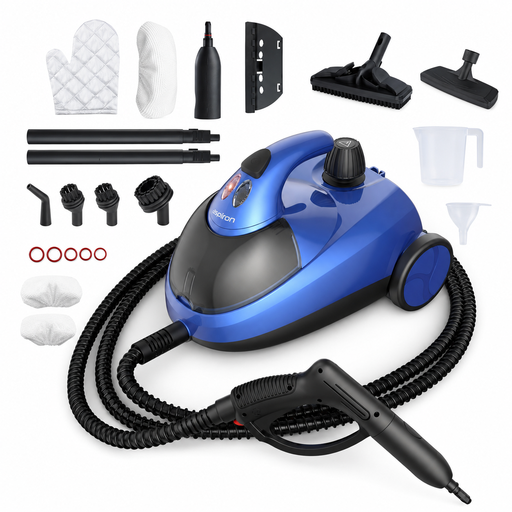
Why it’s a good fit: For households looking to cover bathrooms and kitchens, floors, glass and selected textiles with a single steam cleaner.
The 1.5-litre tank and stated steam time reduce refill breaks. The selection of 13 attachments makes the intended use clearer than a vague promise of extensive accessories.
2,000 watts, up to 4 bar, 1.5-litre water tank, up to 45 minutes of steam and 13-piece accessory set according to the manufacturer’s specifications.
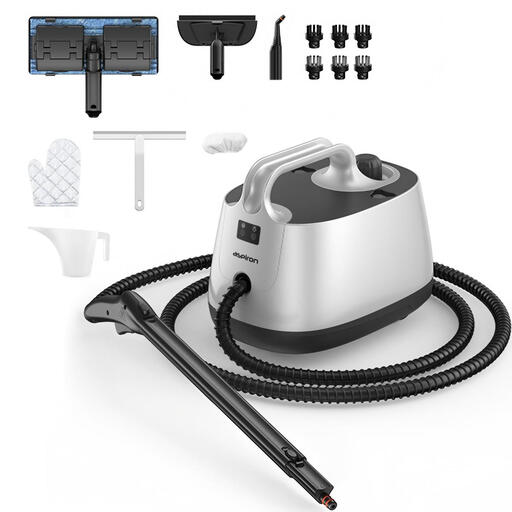
Why it’s a good fit: For users with varied cleaning needs involving floors, windows, grout, carpets, upholstery and selected textiles. Delicate materials should be tested beforehand in an inconspicuous area.
The 21 attachments are designed for a variety of tasks. This makes it easier to choose the right tool, but does not replace the manufacturer’s approval for the material in question.
1,500 watts, up to 4 bar, up to 145 °C, 1.5-litre tank and 21 accessories according to the product description.
We have put together a current selection of appliances that can be compared based on features, intended use and ease of operation.
Only if the floor is sealed and approved for steam cleaning by the flooring manufacturer. Excessive moisture or heat can damage joints, coatings and wooden surfaces. The lowest suitable steam setting, short contact times and an appropriate floor attachment are recommended.
Ongoing costs mainly comprise electricity, water and, where applicable, washable or replacement cloths and filters. The power rating—around 1,200 or 2,000 watts—indicates consumption during the heating and operating phases. The actual cost depends on usage time and the electricity tariff.
It is not possible to give a reliable fixed service life for all appliances. Longevity depends on frequency of use, water quality, descaling, filter care and storage. Regular rinsing according to the instructions, dry storage and the use of suitable attachments can help support the appliance’s intended performance.