If you usually iron just one skirt
If you occasionally want to smooth out a skirt after your journey, weigh up the extra set-up and storage space a steam generator iron needs against the benefits for the amount of ironing you actually do.


If you usually only need to smooth out one skirt after your commute, check the care label and see how damp the fabric still is first. A steam generator iron isn’t automatically a better choice than a suitable steam iron you already own. If you regularly iron several garments, compare the specific model’s heat-up time, continuous steam output, size and descaling requirements. Don’t rely on a steam generator iron to dry a soaking-wet skirt.
If you occasionally want to smooth out a skirt after your journey, weigh up the extra set-up and storage space a steam generator iron needs against the benefits for the amount of ironing you actually do.
If you have other clothes to iron as well as your skirt, continuous steam, tank capacity and the care the appliance needs may be more important when choosing a model.
For blended fabrics, trims or delicate finishes, the care label on the specific skirt tells you whether and how you can use heat and steam.
A better fit if: you usually iron just one skirt and already own a suitable appliance.
The trade-off: You won’t need an extra base unit or space to store it. However, a manufacturer’s in-house steam comparison doesn’t prove you’ll save time when ironing a single skirt.
A better fit if: you regularly iron several garments and have room for the base unit and ironing board.
The trade-off: Tank capacity and continuous steam output vary by model. You’ll also need to consider heat-up time, storage space and descaling.
A better fit if: you want to freshen up a garment that its care label says can be steamed, and don’t need a precisely pressed section of your skirt.
The trade-off: It doesn’t have a soleplate that presses against the fabric, so it’s not suited to pressing a crisp hem.
| What matters to you | What to check when buying | Who is it especially relevant to? |
|---|---|---|
| Effort involved in ironing a single skirt | Heat-up time, dimensions and whether you already own a suitable steam iron. | If I usually just smooth out one skirt after my journey, I want to weigh up the extra set-up involved. Around 33% of consumers focus on the effort involved in ironing a single skirt. |
| Protecting the fabric after rain | The care label, permitted temperature and any special care instructions; check whether the skirt is still damp before wearing it. | If my skirt is still damp and has trims or delicate areas, I first want to know what the care label allows. Around 27% of consumers put fabric care first. |
| Steam for several garments | Continuous steam output in g/min, listed separately from the steam boost, as well as the tank capacity and refill options of the specific model. | If I regularly iron several garments, I look for continuous steam and less frequent refilling. Around 20% of consumers prioritise ironing several items. |
| Storage space and maintenance | Dimensions, transport lock and descaling process for the specific model number. | If the steam generator iron is going to stay out at home, I want to know whether there’s room for it and how to maintain it. Around 20% of consumers pay particular attention to the space it takes up and the maintenance involved. |
Manufacturers list these figures separately. A short burst of steam doesn’t tell you how much steam the appliance produces continuously during a longer ironing session.
If you’re ironing several garments, first compare the stated continuous steam output in g/min, and treat the steam boost as a separate feature.
The care label applies to the whole garment and may take delicate trims or a no-steam ironing setting into account.
Check the skirt’s care label before ironing and don’t exceed the instructions given.
A steam generator iron comes with a base unit and its own maintenance needs. Manufacturer figures for steam output don’t prove that you’ll save time when ironing a single skirt.
First consider whether a suitable steam iron you already own will meet your occasional needs. Only compare steam generator irons once you’ve considered how much you actually iron.
The PerfectCare 6000 PSG6020/30 is an option to consider if automatic temperature settings and the appliance’s dimensions matter to you.
The Pro Express Renew GV9E21 can be assessed by its stated steam output and removable scale collector.
The CareStyle 3 IS3257BK is a comparison model to consider if handle design and compact storage are important to you.
The Turbosteam VR8320 is an option to compare if you want to check the manual settings and removable tank.
The following Joybuy products include steam generator irons for ironable garments. Always check the care label before using one on your skirt.
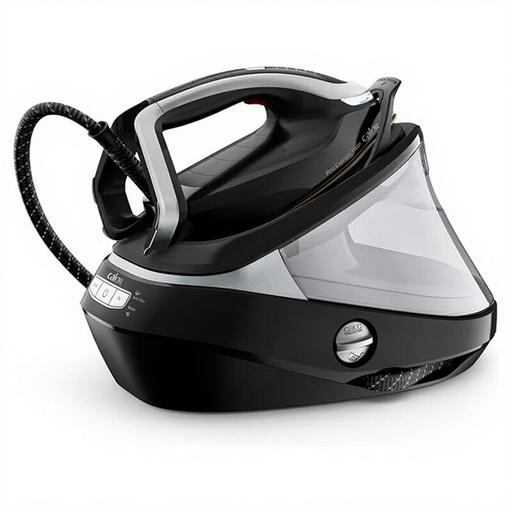 No image available
Could be worth considering if you regularly iron clothes and their care labels allow it.
The product title lists 180 g/min continuous steam, a 1.2-litre tank, 3,000 W and a steam boost of 800 g/min.
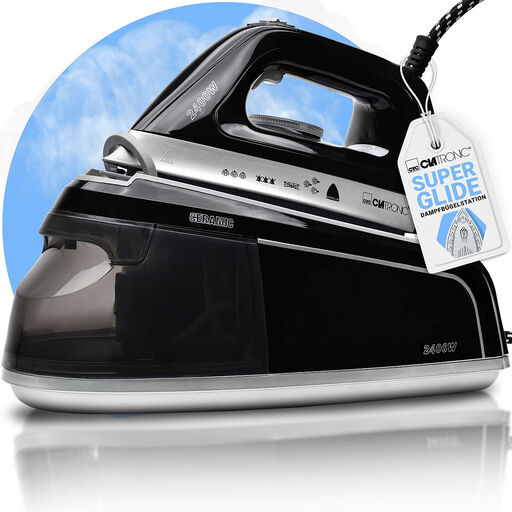 No image available
Could be suitable for ironable skirts and other garments, provided the selected temperature matches their care instructions.
It’s listed with up to 90 g/min continuous steam and a removable 1.2-litre tank. The product description mentions horizontal ironing, vertical steaming and a ceramic soleplate.
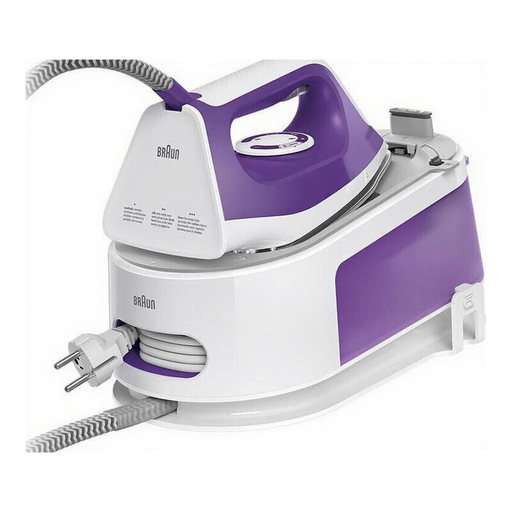 No image available
Could be a good fit if you choose the temperature setting for ironable garments according to their care instructions.
It’s listed with 120 g/min continuous steam, a 1.5-litre tank and Calc’n clean. The product description mentions a ceramic soleplate and four temperature settings.
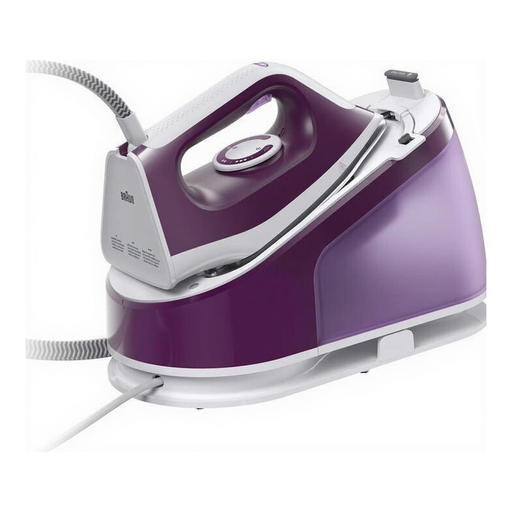 No image available
Could be suitable for ironable fabrics if one of the temperature settings matches the care instructions.
It’s listed with 120 g/min continuous steam, a 1.7-litre tank and Calc’n clean. The product description mentions a ceramic soleplate and four temperature settings.
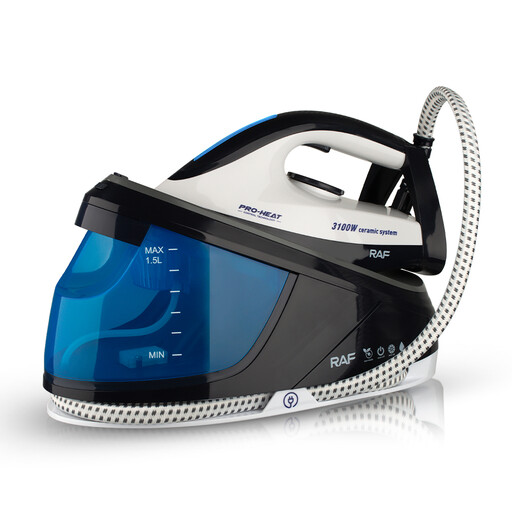 No image available
Could be suitable for regular ironing if the care label allows steam and the treatment you’ve selected.
The product title lists a steam output of 180 g/min and a removable 1.5-litre tank. The product description mentions a ceramic soleplate and a self-cleaning function.
No. The care label on the specific skirt is what matters, including any trims and how the garment is made. GINETEX distinguishes maximum ironing temperatures of 200 °C and 150 °C, as well as a 110 °C setting with no steam; a do-not-iron symbol must be followed.
Don’t rely on ironing to dry a soaking-wet skirt. Check the care label before ironing and make sure the fabric isn’t still damp before putting it on.
Follow the care instructions for the specific model number: Philips recommends Easy De-Calc Plus for the PSG6020/30, Tefal specifies a removable scale collector for the GV9E21, and Rowenta lists a rinse system for the VR8320. These processes aren’t interchangeable.
According to Your Europe, when you buy from a professional seller, you have a legal guarantee of at least two years from the day you receive the goods. This is a right against the seller and is separate from any additional manufacturer’s warranty offered.
According to information from the European Union, product safety rules also apply to goods sold online. CE marking is required if the specific appliance falls under harmonised legislation that requires it; it is the manufacturer’s declaration, not an independent test mark. Check the marking and product information for the appliance actually being offered.