Households with lots of linen napkins
If you regularly iron large quantities, look for easy-to-manage continuous steam and settings that suit the care label on each napkin.


A steam generator iron can be worth it if you regularly iron large quantities of linen napkins and clean, crease-prone clothing. Focus on continuous steam, the water tank, suitable settings and descaling rather than the steam boost alone. Muddy outdoor clothing must be cleaned first, and the care label will tell you whether it can be ironed. If you only iron occasionally, the typically higher electricity consumption of a steam generator iron, according to the German Environment Agency, makes a standard steam iron a more suitable choice.
If you regularly iron large quantities, look for easy-to-manage continuous steam and settings that suit the care label on each napkin.
Dirty clothing needs to be treated and washed first. Only then should you check the care label to see whether and how the clean garment can be ironed.
If you iron a variety of fabrics, compare automatic settings and selectable programmes with the care instructions and the level of control you prefer.
First, check that the steam generator iron suits the amount of ironing you actually do, then compare its controls, water tank and maintenance requirements. According to GINETEX, the permitted ironing temperature is determined by the care label, not the fibre alone.
| Priority | What to check when buying | Who is it most relevant to? |
|---|---|---|
| Iron lots of linen napkins | Compare continuous steam output in g/min and water tank capacity in l. | If I’m ironing lots of napkins that can be ironed, consistent steam with as few refills as possible matters to me. Around 36% of consumers rank the amount of linen they need to iron as their top buying priority. |
| Remove mud before ironing | Check the care label and follow suitable pre-treatment and washing steps. | If outdoor clothing is muddy, I need to treat the stains first and check whether the clean garment can be ironed. Around 29% of consumers put stain treatment first. |
| Switch between fabrics | Check care labels against the exact model’s automatic settings or selectable programmes. | If I switch between different fabrics that can be ironed, I want to be able to select the permitted treatment easily. Around 21% of consumers give switching between fabrics the highest priority. |
| Electricity use and descaling | Check the steam control or Eco mode, along with the descaling instructions. | If I only iron occasionally, I want to weigh up electricity use and maintenance against the convenience of a steam generator iron. Around 14% of consumers put energy-efficient operation first. |
A single steam boost is a different appliance specification from the continuous steam output that matters when repeatedly ironing lots of napkins.
Compare the figures for the exact model separately, and take the water tank capacity and controls into account.
Steam ironing is no substitute for stain treatment and washing. For dried mud stains, Persil recommends brushing off loose particles, pre-treating the garment appropriately and washing it.
Check for stains before drying, and only iron clean textiles if their care label allows it.
Treating stains and washing the garment take extra time.
The German Environment Agency considers a steam iron sufficient for domestic use and points out that steam generator irons generally use more electricity.
Weigh up how much you actually iron against the convenience of a steam generator iron, and use steam only when needed.
Philips warns that limescale build-up can cause discolouration and reduce steam output. Manufacturer assurances against burn marks apply to clothes that can be ironed; they do not cover textiles that must not be ironed or dirty laundry.
Check the descaling instructions for the exact model, and read any assurances alongside their terms of use.
The PerfectCare range may suit buyers who prefer automatic settings when ironing different fabrics.
The Pro Express Ultimate II GV9720 is an option for buyers who want to select programmes and remove the limescale collector.
The CareStyle 7 Pro IS7286BK is a point of comparison for buyers looking for several programmes and a specified continuous steam output.
The Steam Pro DG9661 may suit buyers who want to choose between Eco mode and a higher steam output.
The products below include steam generator irons for more frequent ironing, plus a standard steam iron for occasional use.
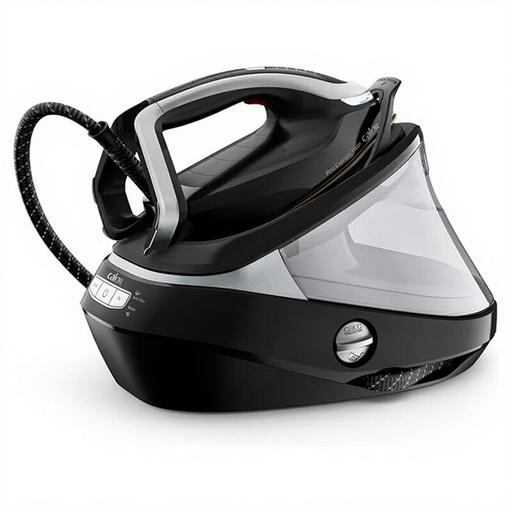 No image available
For larger quantities of napkins that can be ironed, the stated continuous steam output and tank capacity are useful figures to compare.
3000 W; 180 g/min continuous steam; 1.2-l tank; 800 g/min steam boost.
Clean muddy clothing first, and only iron it if the care label allows it.
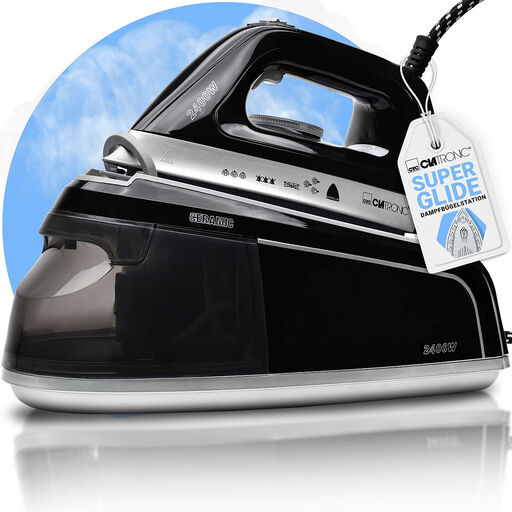 No image available
The stated specifications and temperature control can help you compare it for frequent ironing and different fabrics.
90 g/min continuous steam; 1.2-l tank; stepless temperature control.
Clean muddy clothing first, and only iron it if the care label allows it.
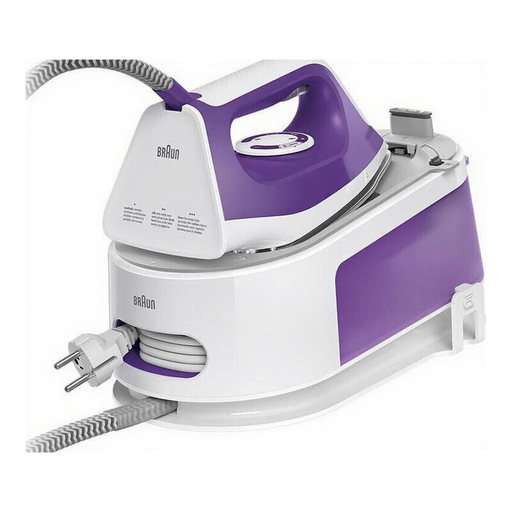 No image available
For longer ironing sessions, the stated continuous steam output and tank capacity are useful figures to compare.
120 g/min continuous steam; 1.5-l water tank; precise temperature selection.
Clean muddy clothing first, and only iron it if the care label allows it.
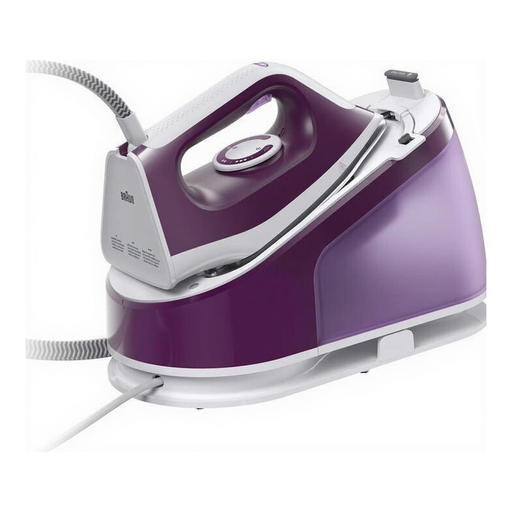 No image available
If you switch between fabrics that can be ironed, you can compare the temperature settings with the care labels for each item.
120 g/min continuous steam; 1.7-l water tank; four temperature settings.
Clean muddy clothing first, and only iron it if the care label allows it.
 No image available
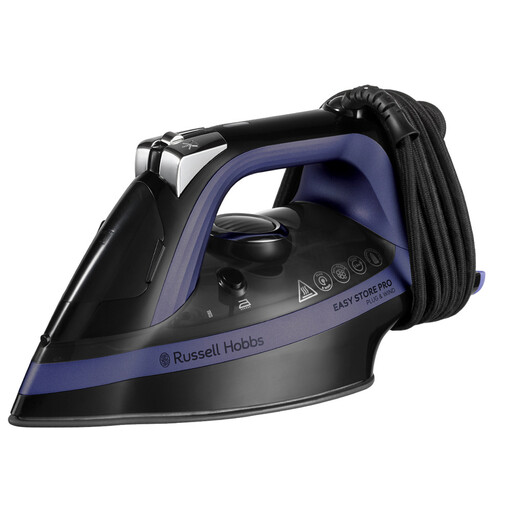
As a standard steam iron, it’s an option if you only want to smooth out individual items that can be ironed from time to time.
40 g/min continuous steam; 320-ml water tank; One Temp.
The smaller tank may need refilling more often during longer ironing sessions. Clean muddy clothing first, and only iron it if the care label allows it.
No. Ironing is no substitute for stain treatment. Persil recommends brushing off loose, dried mud, pre-treating and washing the garment appropriately, then checking for any remaining stains before drying. The care label will tell you whether it can be ironed afterwards.
No. The care label is what matters. According to GINETEX, the highest ironing temperature is determined by the label, not the fibre alone. You should also follow any instruction not to iron the item or any restriction on steam treatment.
Follow the instructions for your exact model, as the process can vary. Philips warns against opening the descaling cap while the appliance is hot; unplug it first and allow it to cool if necessary.
According to consumer information from the European Union, when you buy from a business seller, you have a legal guarantee of at least two years from the date you receive the goods, which you can claim from the seller. This is separate from any additional manufacturer’s warranty; private sales are expressly excluded from this EU information.
For appliances covered by the relevant harmonised EU product rules, the manufacturer uses the CE marking to declare that the product meets the applicable requirements. It is not an independent EU quality mark.