Occasional tie ironing
If you mainly want to smooth individual cotton ties, first check whether the care label and instructions allow you to treat the whole garment. The Tie Bar recommends gently steaming its ties rather than ironing them.


A steam generator iron isn’t worth buying just to smooth the occasional cotton tie: what matters is the care label and the care instructions for that specific tie. If you regularly iron larger loads of suitable textiles, tank capacity, continuous steam and ease of use may matter more. Muddy outdoor clothing should be cleaned first, then checked to see whether ironing is allowed. According to GINETEX, the permitted temperature depends on the care label, not just the fibre.
If you mainly want to smooth individual cotton ties, first check whether the care label and instructions allow you to treat the whole garment. The Tie Bar recommends gently steaming its ties rather than ironing them.
After spending time outdoors, the first step is to clean soiled clothing appropriately. The American Cleaning Institute advises that ironing before cleaning can set stains.
If you regularly have other ironable textiles to deal with as well as ties, tank capacity, continuous steam, ease of use and descaling may all be relevant when choosing an appliance.
First, check whether the textile can be ironed at all. Only then is it worth comparing appliance features for your other laundry.
| What you need | What to check when buying | Who it matters most to |
|---|---|---|
| Protecting your tie | The care label and instructions for the specific tie; if ironing is allowed, check the model’s temperature and steam settings. | If I’m smoothing a single cotton tie, I want to know whether the whole item can withstand the treatment. Around 36% of consumers put protecting the tie first. |
| Removing dirt first | The cleaning and ironing symbols on each garment; treat stains before ironing and check the result. | For muddy outdoor layers, I want to clean stains rather than set them in while smoothing the fabric. Around 29% of consumers prioritise keeping cleaning and ironing separate. |
| Ironing larger loads | Continuous steam, not just a steam boost; the capacity of the tank and the controls on the exact model. | If I regularly iron other suitable textiles, appliance features that work well for longer ironing sessions matter to me. Around 21% of consumers focus on the size of their ironing load. |
| Maintenance and storage space | Space requirements and storage; the model-specific descaling method and any parts needed. | If I have limited space or want to keep appliance care simple, I compare the tank and maintenance requirements with the storage space available. Around 14% of consumers prioritise maintenance and storage space. |
The fibre alone doesn’t tell you how the whole tie can be treated. Always follow the care label and instructions for the specific item.
Check these details before ironing. The Tie Bar recommends gently steaming its own ties rather than ironing them; this advice doesn’t automatically apply to all cotton ties.
As the American Cleaning Institute explains, ironing before cleaning can set stains.
Clean outdoor clothing according to its care label and check the result before smoothing it.
A steam boost isn’t the same as continuous steam output. And a single figure doesn’t tell you whether a particular tie can be ironed.
Compare the continuous steam output, controls and tank on the specific model separately, and always follow the textile’s care label.
The Pro Express Ultimate II GV9720 offers several selectable settings for ironable textiles.
The CareStyle 7 Pro IS7286BK is aimed at buyers comparing multiple modes and a removable tank.
The PerfectCare 7000 PSG7300/20 offers automatic steam output.
The Silence Steam Pro DG9248 offers several electronic settings for buyers comparing manual options.
The models below are steam generator irons for regular ironing sessions with other suitable textiles. Regardless of the appliance, only treat ties and soiled outdoor clothing according to their care instructions.
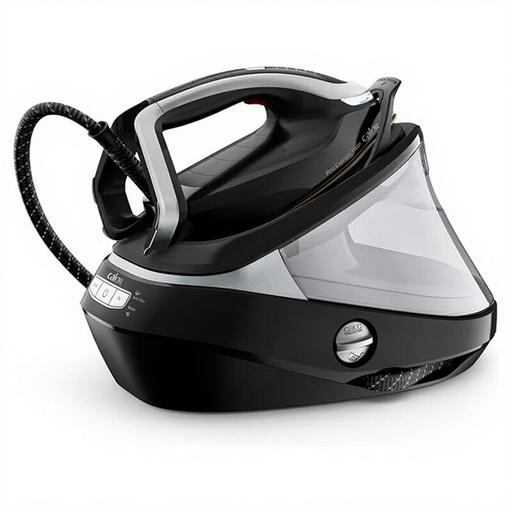 No image available
For regular ironing sessions with other textiles, provided their care labels allow ironing.
3000 W; 1.2-l tank; 180 g/min continuous steam; 800 g/min steam boost.
Durilium AirGlide Autoclean soleplate.
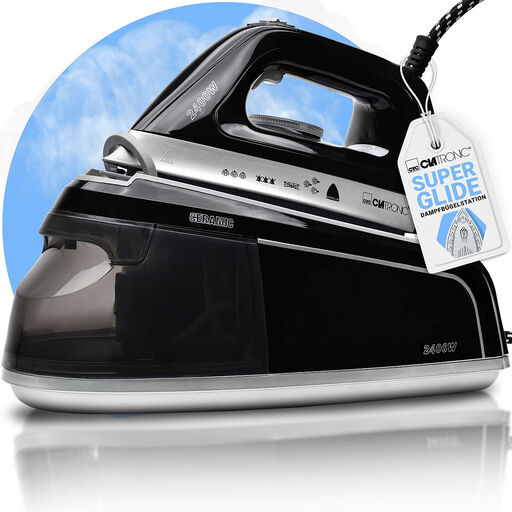 No image available
For regular ironing sessions with other textiles, provided their care labels allow ironing.
2400 W; 3.5 bar; 1.2-l water tank; stated operating time: 80 minutes.
Superglide soleplate; anti-drip system.
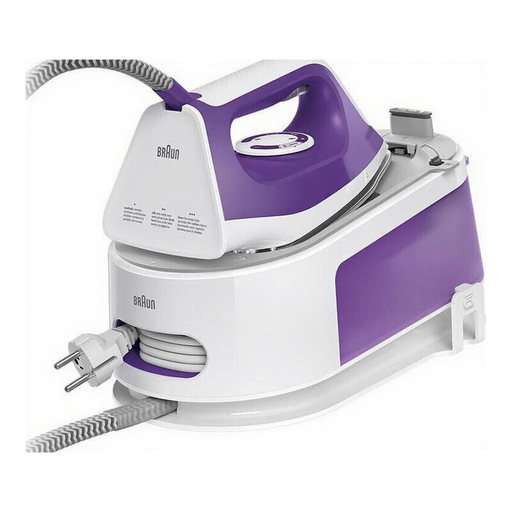 No image available
For regular ironing sessions with other textiles, provided their care labels allow ironing.
Colour option: White.
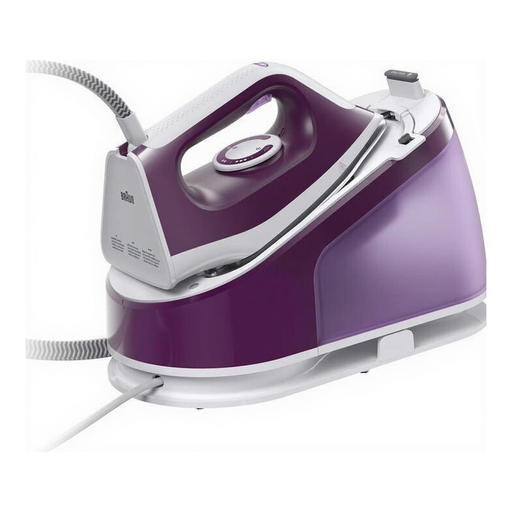 No image available
For regular ironing sessions with other textiles, provided their care labels allow ironing.
Colour option: Violet.
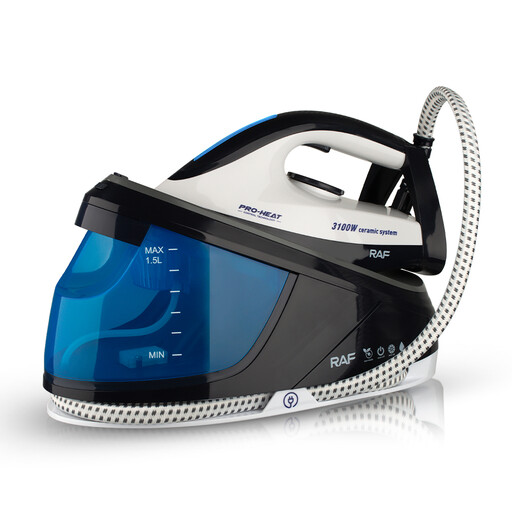 No image available
For regular ironing sessions with other textiles, provided their care labels allow ironing.
3100 W; 180 g/min steam output; 1.5-l removable water tank.
Ceramic soleplate.
Don’t decide based on the material alone: follow the ironing symbol and care instructions for the specific tie. For deep creases, The Tie Bar recommends gently steaming its own ties rather than ironing them; this isn’t a general recommendation for all ties.
Treat stains according to the care label and check the result before ironing. The American Cleaning Institute warns that ironing before cleaning can set stains.
Follow the instructions for the exact model number rather than using a general guide for all appliances. Philips directs users to the relevant model and its user manual for descaling.
No. The Verbraucherzentrale distinguishes statutory consumer rights from a voluntary guarantee, so check the guarantee terms separately.
For products covered by relevant harmonised EU rules, the manufacturer uses the CE marking to declare that the product meets the applicable requirements. It isn’t an independent quality mark or proof of a particular ironing result.