You iron several skirts in one go
If you regularly iron several skirts and have room for the unit and board, tank capacity and the option to refill the tank may influence your choice. Manufacturers’ tank figures aren’t measured running times.


A steam generator iron may be worth considering if you regularly iron several skirts in a row and have room for the base unit and ironing board. For the occasional single skirt, a standard steam iron is probably all you need. Before ironing, check the care label on the particular skirt, and consider the space available and descaling requirements. The German Environment Agency notes that steam generator irons generally use more electricity, so you shouldn’t assume they’ll reduce your ironing time.
If you regularly iron several skirts and have room for the unit and board, tank capacity and the option to refill the tank may influence your choice. Manufacturers’ tank figures aren’t measured running times.
For seams, pleats or trims, follow the care label for the whole garment. GINETEX explains that care symbols set out the maximum permitted treatment.
If you only iron occasionally or need to put the appliance away after use, check you have room for the base, hose and ironing board. The German Environment Agency suggests a standard steam iron as an option for occasional ironing.
| What to consider | What to check before buying | Who it matters most to |
|---|---|---|
| Several skirts in one go | Tank capacity and refill options; consider continuous steam separately from the steam boost. | If I iron several skirts one after another, I want to keep interruptions to a minimum. Around 33% of consumers planning longer ironing sessions are likely to focus mainly on tank capacity and refilling. |
| Fabric and details | The care label for the whole skirt, permitted steam settings and ease of handling in narrow areas. | If seams, pleats or trims need special care, the care instructions for the whole skirt matter most to me. Around 25% of consumers are likely to put this first when ironing. |
| Setting up and storage | Space to set up and put away the appliance, including room for the base, hose and ironing board. | If space is limited in my utility room, I need to be able to store the unit safely after ironing. Around 25% of consumers are likely to focus mainly on the space needed to set up and store the appliance. |
| Maintenance and energy | Descaling instructions for the specific model and steam settings. | If ongoing effort matters to me, I want to know how to descale the appliance and how much steam I actually need. Around 17% of consumers are likely to prioritise maintenance and energy use. |
Steam boost and continuous steam are different manufacturer specifications. The German Environment Agency notes that steam generator irons generally use more electricity; this doesn’t mean they’ll always save you time.
Compare this with the amount of ironing you actually do, and assess continuous steam, set-up and refilling separately.
The care label on the finished skirt specifies the permitted treatment. Trims and other details can also matter; according to GINETEX, steam at a low ironing temperature can cause irreversible damage.
Check the ironing symbol on the whole garment before pressing, and don’t use steam if the care instructions rule it out.
For the Rowenta DG7623F0, the manufacturer describes the 1,1-l tank as fixed, while the Joybuy product description lists it as removable. This difference affects refilling.
Before buying, check the full model number and tank design.
The PerfectCare 6000 PSG6023/20 could be a good option if automatic temperature control and a removable tank suit your ironing routine.
The Express Protect SV9202 may suit longer ironing sessions if its removable tank and removable scale collector make maintenance easier for you.
The CareStyle 5 IS5245BL is another option if a large tank and different operating modes suit your routine.
The Compact Steam Pro DG7623F0 is worth considering if you want to check its footprint, transport lock and precision tip.
This selection includes steam generator irons for longer ironing sessions and a standard steam iron for occasional ironing without a separate base unit.
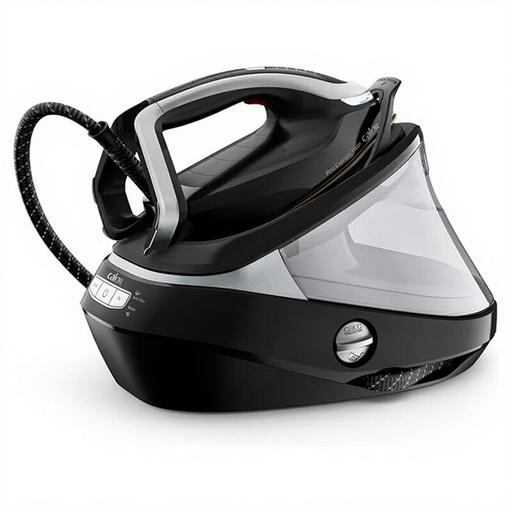 No image available
For ironing several skirts one after another, provided their care labels allow the intended treatment.
Removable 1,2-l tank; 180 g/min continuous steam; 800 g/min steam boost; 3.000 W; Durilium AirGlide Autoclean soleplate.
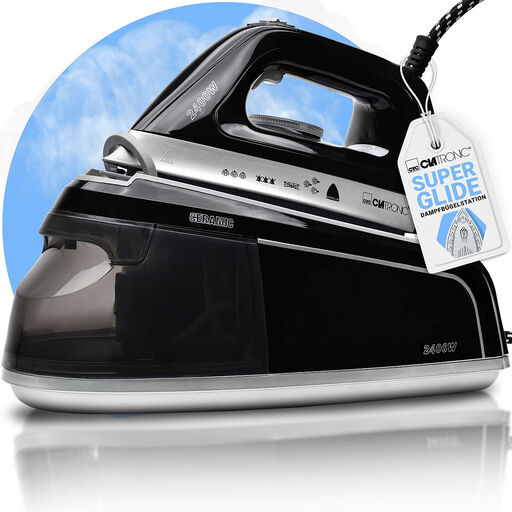 No image available
For longer ironing sessions, if a unit with a removable tank suits the space you have available.
Removable 1,2-l tank; steam output up to 90 g/min; 3,5 bar; continuously adjustable temperature control; transport lock.
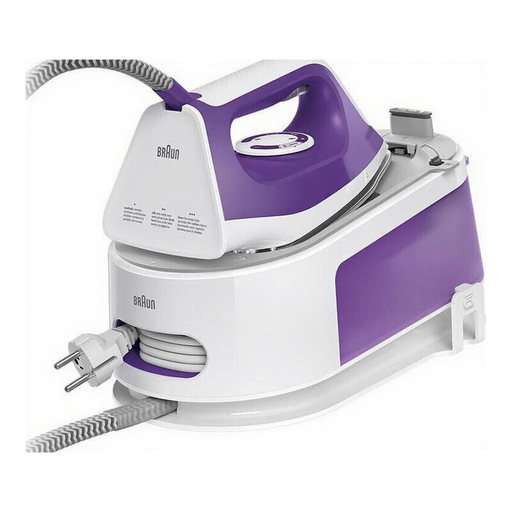 No image available
For ironing several ironable garments, if you’re considering a unit with a precision thermostat.
1,5-l tank; 120 g/min continuous steam; precision thermostat; self-cleaning and automatic switch-off.
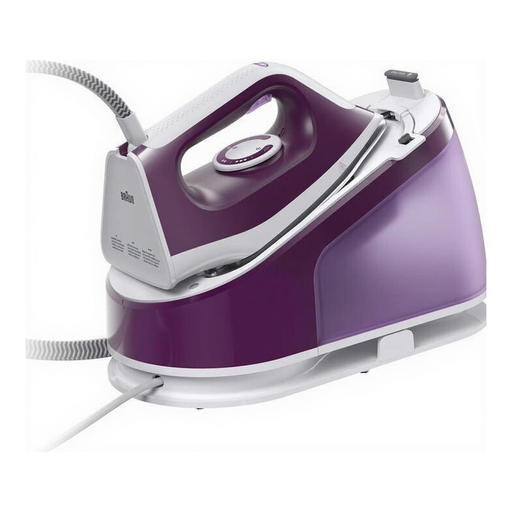 No image available
For ironing routines where several temperature settings suit garments with different care requirements.
1,7-l tank; 120 g/min continuous steam; four temperature settings; Easy CalcClean and automatic switch-off.
 No image available
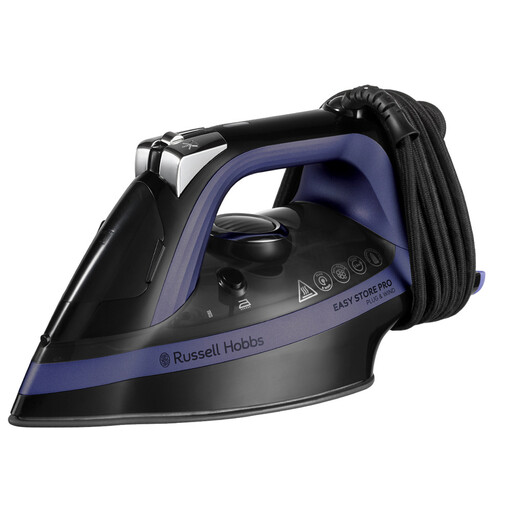
For occasional ironing when you don’t want to set up a separate base unit.
320-ml tank; 40 g/min continuous steam; One-Temp technology; variable steam settings; ceramic soleplate and integrated cord storage.
No. The care label on the particular skirt is what matters, not just the fibre type. GINETEX distinguishes, among other things, between “do not iron” and a low ironing temperature, at which steam can cause irreversible damage.
If you only iron a skirt occasionally or don’t have a safe place for a separate base unit, a standard steam iron may be a better fit. If you iron several skirts in one go, tank capacity and refill options may be worth considering, but they don’t guarantee you’ll save time.
You shouldn’t assume it will reduce your overall ironing time. The German Environment Agency points out that test results don’t suggest a general time-saving advantage for steam generator irons over steam irons, and that steam generator irons generally use more electricity.
This depends on water hardness, how often you use it and the descaling system on the particular model. Philips notes that limescale can build up faster in hard water. Follow the indicator and instructions for your model rather than relying on a set interval.
Your statutory rights relating to faulty goods are against the seller; a manufacturer’s guarantee is a separate, voluntary benefit. According to the Verbraucherzentrale, online purchases generally come with a 14-day right to cancel. You need to notify the retailer or contracting party.