
Lieferung heute & morgen

Qualitätsgarantie

Willkommens-Angebote freischalten: KOSTENLOSE Lieferung | Bis zu 80 % RABATT | Kostenlose 30-Tage-JoyPlus-Testphase
App herunterladen
Crisp, well-kept clothing makes a great impression, but getting there can be a chore. Faced with a wide variety of appliances—from the classic steam iron and the high-performance steam generator iron to the handy garment steamer—the choice can often feel overwhelming. This guide is designed to help you understand how different appliance types work and make an informed decision that fits your household and lifestyle. We will present objective criteria and a selection of models to simplify your search.
Before you decide on a model, there are a few fundamental features to consider. These will determine how efficient and convenient ironing your textiles will be in the future.
The first decision concerns the basic design of the appliance. Each type has specific use cases:
Two metrics are central to an appliance's performance:
The soleplate material affects glide performance and durability. A ceramic soleplate is known for its excellent gliding properties and even heat distribution. Stainless steel soleplates are robust and scratch-resistant.
Also, look for practical extra features like the ability for vertical steaming, an anti-drip system that prevents water spots on clothing, and an auto shut-off feature for added safety.
Here you will find a selection of different models that cater to various needs. The descriptions are based on manufacturer specifications.
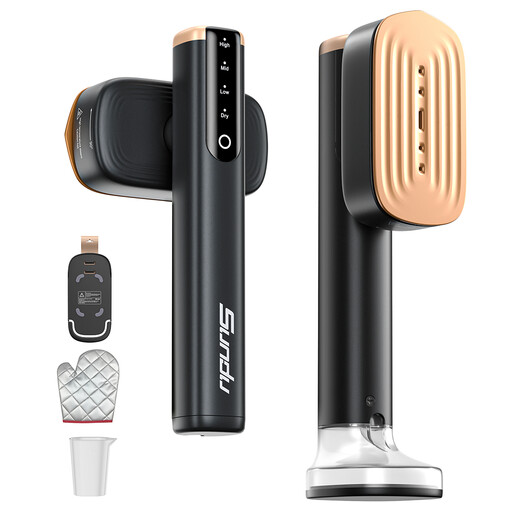
Why it stands out: This appliance combines the function of a classic iron with that of a vertical garment steamer. Its 90° rotating handle and lightweight design make it especially versatile for use at home and on the go.
Pros:
Who is it for? For frequent travellers, business professionals, or individuals with limited storage space who need a fast and flexible solution for various textiles.
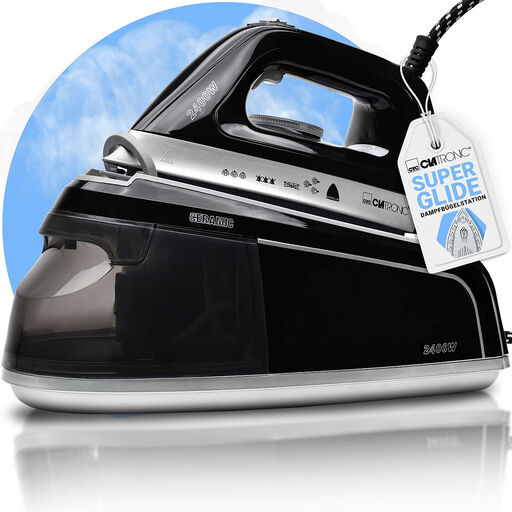
Why it stands out: This steam generator iron is designed for high performance and large laundry loads. With 3.5 bar steam pressure and a large water tank, it efficiently handles thick fabrics and long ironing sessions.
Pros:
Who is it for? For families and households with regular large laundry piles who need a powerful and time-saving solution for all types of textiles.
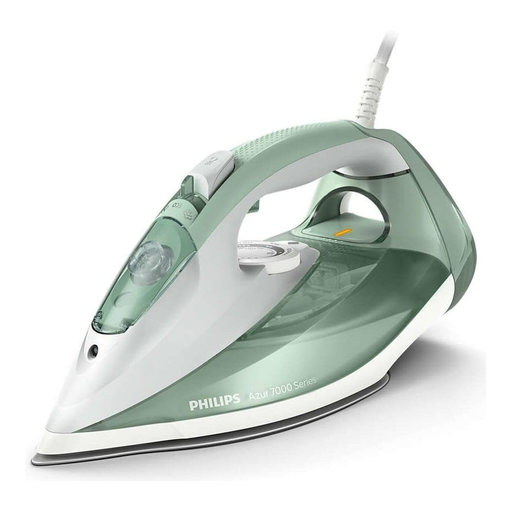
Why it stands out: This classic steam iron from Philips combines high performance with a thoughtful design. The SteamGlide Plus soleplate and powerful steam performance make it a reliable partner for daily laundry care.
Pros:
Who is it for? For users seeking a powerful and durable classic steam iron for regular and versatile use in the household.
This selection represents only a small fraction of the available models. If you want to compare more appliances or filter by specific features, you can find a broader overview in our main category.
Explore Our Entire Ironing Collection
1. What kind of water should be used for a steam iron? To prevent limescale build-up in the appliance, most manufacturers recommend using distilled or demineralised water. Alternatively, tap water can be mixed 1:1 with distilled water, especially in regions with hard water. Please refer to the specific instructions in your appliance's user manual.
2. Can you iron without steam using a steam iron? Yes, virtually every steam iron has a dry ironing function. You can simply turn off the steam function and use the appliance like a traditional dry iron, which can be useful for very delicate fabrics.
3. How often does a steam iron need to be descaled? The frequency depends on the water hardness and how often you use it. Many modern appliances have a self-clean or an integrated anti-calc function. As a general rule, descale the appliance every 1–3 months to ensure consistent steam performance and a long lifespan. Always follow the manufacturer's instructions.