If you often iron for just a short time
If you regularly iron just a few dresses, easy set-up and storage matter most. A steam iron means you don't need a separate generator.


If you often iron small loads, a steam iron without a separate generator is a natural starting point. The German Environment Agency (Umweltbundesamt) sees no general advantage in energy consumption or ironing time from using a steam generator at home, and says it usually consumes more electricity. A compact generator could be a good fit if you regularly want powerful, continuous steam for cotton dresses that can be steam-ironed, and are happy to make room for it and descale it. The care label on each dress should always guide your choice.
If you regularly iron just a few dresses, easy set-up and storage matter most. A steam iron means you don't need a separate generator.
If you often iron for short periods, being able to control the steam can be important. Weigh the steam output you want against the space it needs and its energy use.
For dresses with lots of detail, look for a tip that's easy to manoeuvre and the ability to follow care instructions for different fabrics.
A good fit if: You usually iron one or two dresses, or have little space for setting up and storing your appliance.
Things to consider: Check that you can set the temperature and steam on your chosen iron to suit the care label.
A good fit if: You often tackle creases in cotton and want to choose the steam and temperature yourself.
Things to consider: The base and tank need extra space. The manufacturer's stated heat-up time doesn't prove that you'll iron small loads faster.
A good fit if: You switch between different ironable fabrics and don't want to select the temperature yourself.
Things to consider: Automatic settings don't replace checking the care label or comparing space requirements and maintenance.
| Buying priority | What to look for | Who is it important to? |
|---|---|---|
| Effort for short ironing sessions | Compare heat-up time, ease of use, and the space needed to set up and store the appliance. | If I'm only ironing one or two dresses, setting up shouldn't take more effort than the short ironing session itself. Around 36% of consumers prioritise spending less time and effort on set-up. |
| Steam for stubborn creases | Consider continuous steam and the steam boost separately; the care label must allow steam ironing. | For stubborn creases, I want to be able to tailor the steam to the fabric. Around 29% of consumers prioritise adjustable steam for tackling creases. |
| Care instructions and parts of the dress | Check the care symbol and permitted ironing method; look for a suitable tip and temperature settings. | If a dress has narrow sections or specific care instructions, I want to adjust how I iron it accordingly. Around 21% of consumers prioritise control when dealing with details and different care instructions. |
| Space, maintenance and energy | Consider the space needed for the base and tank, as well as the descaling method; weigh up the energy needs of each type of appliance. | If I'm short on storage space and only use an appliance for a short time, I want its ongoing maintenance to be manageable too. Around 14% of consumers prioritise low space, maintenance and energy requirements. |
A large tank may not be a deciding factor if you often iron for short periods; the generator still needs space for its base and iron.
Start by comparing the space needed, heat-up time and ease of use. Choose a tank size that suits how long you actually spend ironing.
A separate generator takes up extra space, which may not be put to much use when ironing small loads.
Manufacturers' claims about time savings may be based on specific comparison appliances or in-house tests. The German Environment Agency (Umweltbundesamt) sees no general advantage for households in Germany in terms of energy consumption or ironing time, and notes that steam generators usually use more electricity.
Consider what each comparison is based on, and think about how often you actually iron just a few dresses.
GINETEX distinguishes between permitted ironing temperatures and warns that steam can cause damage for some care symbols. A temperature setting for ironable fabrics doesn't override the care instructions.
Check the label on each dress before ironing or steaming it.
Treating a garment contrary to its care label could damage it.
The Express Easy SV6131E0 is a steam generator with manual steam and temperature settings, designed for short ironing sessions.
The Compact Steam Pro DG7623F0 combines manual settings with a precision tip for narrow sections of dresses.
The PerfectCare 6000 PSG6022/20 is a steam generator with automatic temperature control for ironable fabrics.
The CareStyle Compact Pro IS2565BL offers selectable modes, while the TexStyle 3 SI 3055 is an alternative without a separate base.
This selection includes steam generators with manual settings, as well as a steam iron without a separate base – options to compare if you often iron small loads.
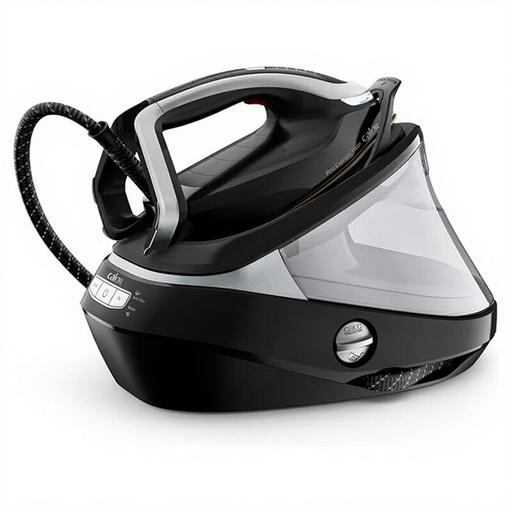 No image available
An option if you want to set the steam and temperature yourself when tackling creases in fabrics that can be steam-ironed.
3000 W; 1.2 l; 180 g/min continuous steam; 800 g/min steam boost.
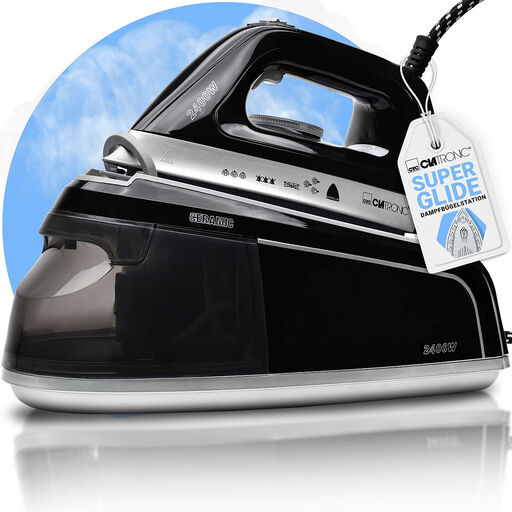 No image available
An option if you're considering a generator with temperature selection for short ironing sessions.
3.5 bar; 1.2 l; 80 minutes' operating time; 2400 W.
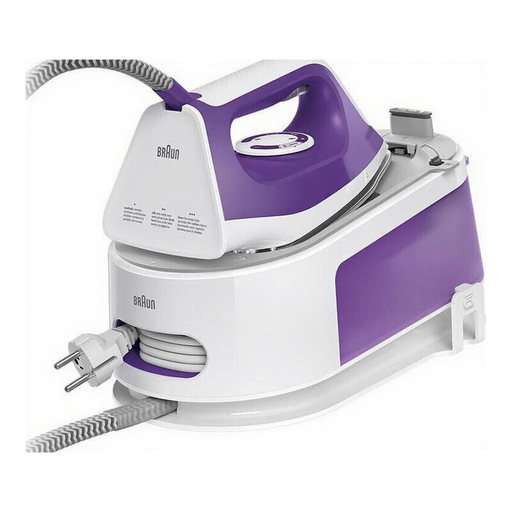 No image available
A generator to consider if you want to choose the temperature yourself for dresses that can be steam-ironed.
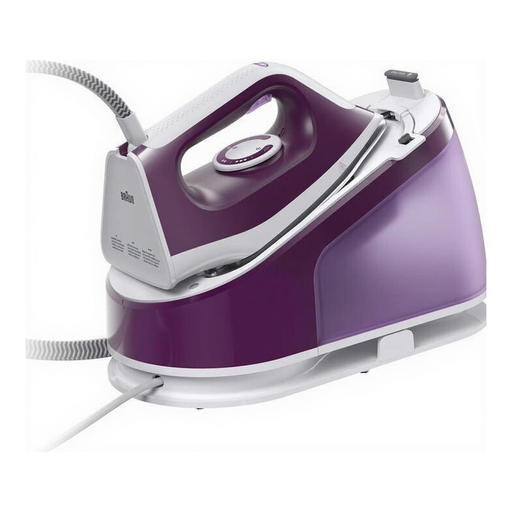 No image available
A generator to consider if you want to treat different ironable fabrics and choose the temperature yourself.
 No image available
An alternative without a separate generator if you usually iron small loads and want to avoid needing extra space.
Up to 280 g/min steam boost.
No. The ironing symbol on the specific garment is what matters. GINETEX distinguishes between permitted maximum temperatures and symbols indicating that steam could cause damage or ironing is not allowed.
Follow the descaling instructions for your model. Philips explains that limescale can affect steam output and cleanliness; for the PSG6022/20, the manufacturer specifies Smart Calc-Clean with a reusable container.
No. Your statutory rights are against the seller, while a manufacturer's guarantee is an additional voluntary offer with its own terms. If there's a fault, check the terms of your purchase and the guarantee separately.
The CE marking is required for appliances covered by the relevant EU product rules. It indicates the manufacturer's declaration that the product complies with the requirements; it isn't an independent quality mark. Check the marking and relevant product information for the specific item you're considering.