
Lieferung heute & morgen

Qualitätsgarantie

Willkommens-Angebote freischalten: KOSTENLOSE Lieferung | Bis zu 80 % RABATT | Kostenlose 30-Tage-JoyPlus-Testphase
App herunterladen
A steam cleaner can tackle floors, grout, kitchen surfaces, windows and upholstery with hot water vapour. However, not every appliance is suitable for every household. A steam mop is primarily designed for sealed hard floors, while a handheld steam cleaner can be used more flexibly on windows, taps and in corners. For carpets, sofas and car seats, appliances with water extraction and a separate dirty-water tank are generally the better choice.
If you only look at wattage, steam temperature or the number of attachments, you can easily overlook crucial details. Before placing your order, you should therefore check three typical purchasing considerations.
A rating such as 1,500 or 1,700 watts initially describes the appliance’s electrical power consumption. On its own, it does not indicate how much steam is actually released or how effectively dirty water is extracted. When choosing a model, you should also consider steam pressure, steam output, heat-up time and design.
A steam cleaner for floors requires different features from a carpet cleaner. With textile surfaces, water extraction is also important. Without sufficient suction, carpets or upholstery can remain damp for a long time after cleaning.
Steam is hot and can damage sensitive materials. Unsealed wood, certain types of laminate, waxed surfaces, sensitive plastics and fabrics that are not water-resistant are not automatically suitable. Before using the appliance for the first time, test the steam on an inconspicuous area.
When choosing a steam cleaner for sofas and cars, you should also check whether the manufacturer explicitly lists the relevant type of upholstery as suitable. An appliance designed for hard floors does not automatically replace an upholstery cleaner.
A large number of attachments can be useful if they match the way you intend to use the appliance. However, cable length, tank capacity, weight, hose length and cleaning requirements are also important. A small water tank reduces the appliance’s weight but may require frequent refilling. Washable microfibre pads, on the other hand, reduce the use of disposable materials.
Steam pressure is usually stated in bar. A higher value can help loosen stubborn dirt, but it is not necessary for every surface. Temperature should also be considered alongside steam output. An appliance with two steam settings gives you greater control when dealing with different levels of dirt.
For example, the ROUNY STEAMO X is specified as offering 2.5 to 3 bar, a temperature of 98 to 135 °C and two steam levels. The stated steam output is 18 or 24 ml/min, depending on the setting. Figures like these make it easier to assess an appliance objectively, but they do not replace checking whether it is suitable for the surface in question.
A short heat-up time is convenient when you want to clean smaller areas between other tasks. Operating time depends on the tank capacity and the selected steam setting. The ROUNY STEAMO X has a tank capacity of 250 ml and a stated operating time of approximately 10 to 14 minutes, depending on the setting.
A larger tank is generally better suited to cleaning continuous floor areas. According to the product specifications, the Shark S6003EU has a 380 ml tank, a six-metre cable and a heat-up time of approximately 30 seconds.
With a traditional steam mop, loosened dirt is usually picked up by the pad. A spot cleaner or wet-and-dry vacuum sprays water or steam onto the fabric and then extracts the dirty liquid. Suction power is stated in kPa, for example.
The ROUNY-U2-Heat machine specifies 13 kPa, a 1,400 ml clean-water tank and a 1,200 ml dirty-water tank. This design is intended for carpets, sofas, stairs, pet areas and car seats. According to the product specifications, it is not suitable for fabrics that are not water-resistant.
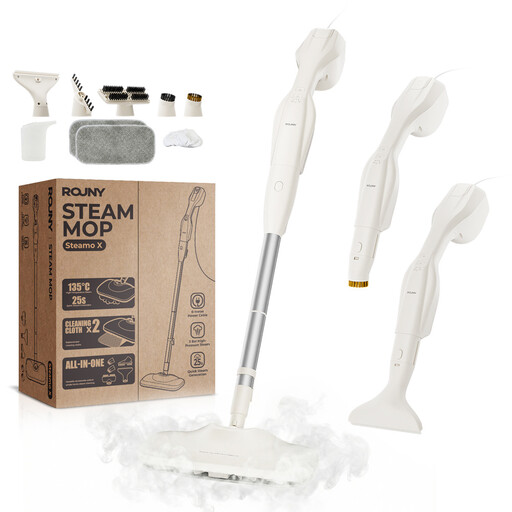
Why this product suits this profile: This appliance combines a steam mop with a removable handheld steam cleaner, making it suitable for sealed floors as well as smaller areas in the kitchen, bathroom and around windows.
The two steam settings and the technical information on pressure, temperature and steam output make it easier to adapt the appliance to different cleaning tasks.
25-second heat-up time, six-metre cable, 250 ml tank and five specified types of attachments for floors, windows and kitchen surfaces.
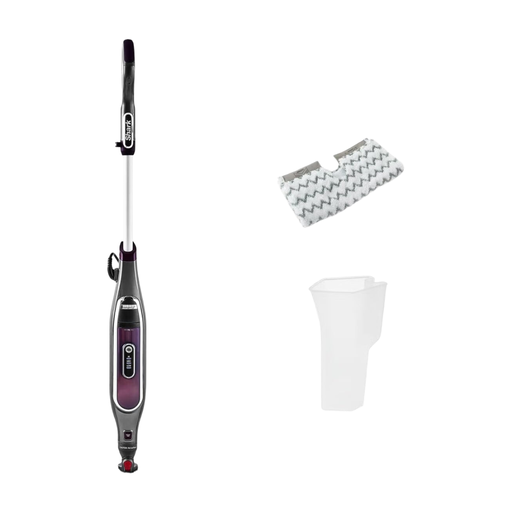
Why this product suits this profile: This steam mop is designed for sealed hard floors and offers a user-friendly solution for regular floor care.
The product specifications explicitly state that it is intended for use on sealed hard floors and exclude unsealed floors. This makes the appliance’s area of use clearer.
Intelligent steam control, Steam-Blast function, six-metre cable and two machine-washable Dirt-Grip pads.
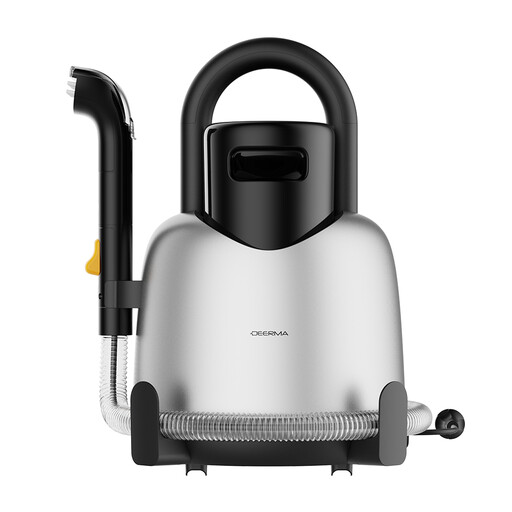
Why this product suits this profile: Families, pet owners and people with lots of textile surfaces get an appliance for carpets, upholstery and other fabric areas, with separate water tanks.
The design, with separate clean- and dirty-water tanks, addresses the problem of spreading dirty water back over the surface. Nevertheless, suitability should still be checked for the material in question.
1,700 watts, 1,700 ml clean-water tank, 1,400 ml dirty-water tank, 13 kPa suction power and five brush attachments, according to the product specifications.
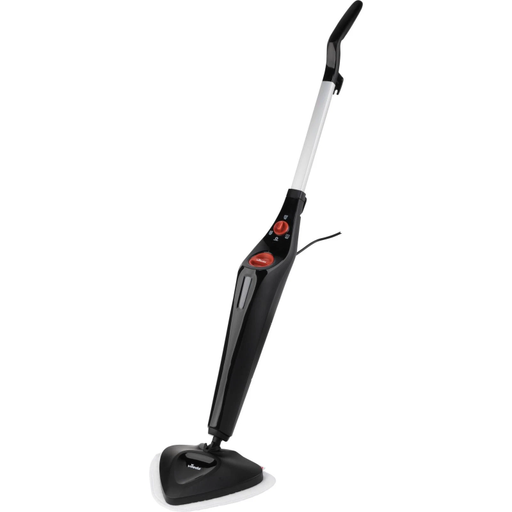
Why this product suits this profile: This floor-focused model is intended for tiles and sealed hard floors and can be used with a carpet glider.
The clearly defined area of use prevents the mistaken expectation that the appliance can be used as an upholstery cleaner or wet vacuum for textiles.
1,550 watts, 400 ml tank, up to 15 minutes of steam operation according to the product description, plus carpet glider and adapter.
Before use, follow the care instructions provided by the floor or furniture manufacturer. Use water only unless the instruction manual permits other liquids. Cleaning products, fragrances or vinegar can damage the internal lines or create vapours.
You should also follow these basic rules:
In this context, “chemical-free cleaning” means that the appliance is operated with water and steam, without added cleaning products. This does not constitute a general claim of hygienic or medical efficacy.
We have put together a complete, regularly updated list of products that fully meet these strict selection criteria and the safety regulations applicable in the EU.
Consumption depends on the tank size, steam output and selected setting. Small handheld appliances are suitable for short jobs, while larger tanks allow for longer cleaning sessions. For better planning, specific figures in millilitres per minute are more useful than wattage alone.
Service life depends on how often the appliance is used, water quality, care and build quality. Any remaining water and dirt should be removed after every use. If you have hard water, it is important to check whether the instruction manual specifies a particular type of water or recommends descaling. Warranty and spare-parts information should be checked before buying.
Only models explicitly stated to be suitable for textiles should be used for this purpose. A steam mop with a carpet glider can freshen up carpets on the surface, but it does not necessarily extract dirty water. For stains on sofas, carpets or car seats, a spot cleaner with spray and suction functions is usually more suitable. Always test material compatibility on an inconspicuous area first.