
Same-day & Next-day Delivery

Quality Guaranteed

Unlock Your Welcome Offers: FREE Delivery | Up to 80% OFF | Free 30-day JoyPlus trial
Download the APP
Anyone who has tried authentic Mango Sticky Rice in Thailand wants to recreate the experience at home. But the attempt often fails at the most crucial ingredient: the rice. The result is disappointingly mushy or simply not sticky enough. As a Joybuy Product Recommendation Officer, I often see customers understandably reach for the wrong products. This guide is designed to help you avoid the most common pitfalls and find the right sticky rice for your culinary projects.
The two most common mistakes when buying are:
To avoid disappointment, you should pay attention to three objective criteria. These will help you see through marketing claims and make an informed decision.
The secret to the unique texture of sticky rice, also called sweet rice, lies in its starch composition. Rice starch is made of two molecules: amylose and amylopectin.
Therefore, look for the explicit terms "Glutinous Rice" or "Sticky Rice" on the packaging. Black sticky rice is also an interesting whole-grain option with a nuttier flavour and a firmer texture.
The choice between whole grains and flour depends entirely on your recipe.
For many classic Southeast Asian dishes, especially from Thai cuisine, Thai sticky rice is considered the standard. The varieties grown in Thailand consistently deliver the desired soft, yet chewy texture and a subtly sweet aroma that pairs perfectly with coconut milk and fruit. So, if you are aiming for an authentic result, choosing a product of Thai origin is often a reliable indicator.
Based on the criteria above, we have selected a few products from our range that are suitable for different needs and culinary projects.
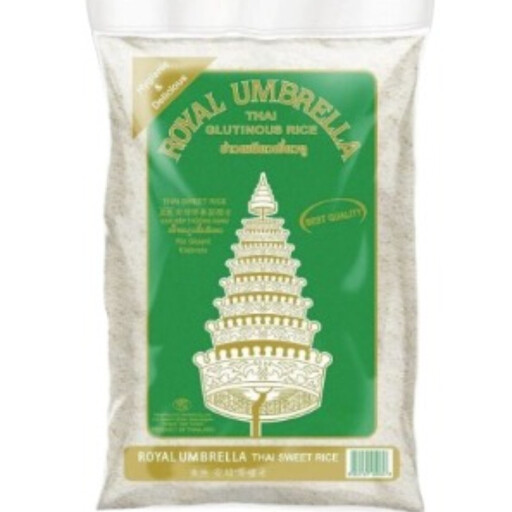
Why This Fits Their Persona: Ideal for anyone wanting to try an authentic sticky rice dish for the first time. The 1kg package is a manageable size, preventing waste while still offering enough for several servings of Mango Sticky Rice or a savoury side.
This is 100% pure Thai sticky rice (whole grains), which eliminates any confusion with sushi or jasmine rice and guarantees an authentic sticky texture.
Authentic Thai origin for a classic taste; convenient package size for home use.
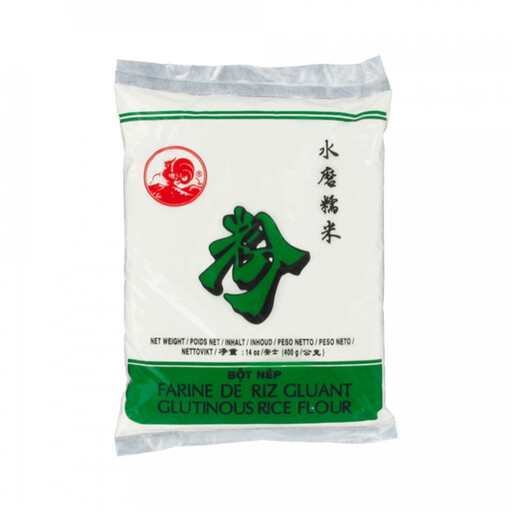
Why This Fits Their Persona: Perfect for home bakers looking to tackle mochi, pearl balls, or sticky rice cakes. This product provides the essential ingredient for doughs that require a smooth, elastic consistency.
This is explicitly glutinous rice flour, not the whole grain. It prevents the common mistake of using rice grains for recipes that require a fine, powdered form.
Finely milled for a smooth dough texture; according to the manufacturer, it consists of 100% glutinous rice flour with no other additives.
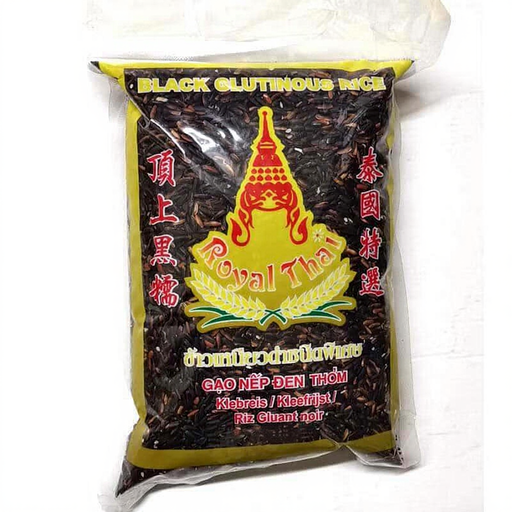
Why This Fits Their Persona: For cooks who want to go beyond classic white sticky rice and explore new dimensions of flavour and colour. The deep purple hue and nutty taste enrich desserts and salads.
This product demonstrates that "sticky rice" is a diverse category. It prevents the assumption that there is only one type and opens up new culinary possibilities.
A whole-grain variety with a nutty flavour and firmer texture; according to the manufacturer, the dark colour comes from anthocyanins, which are natural antioxidants.
We've compiled a complete, up-to-date list of products that fully meet these strict selection criteria and all relevant regulations.
Yes. The name "glutinous rice" is misleading. It refers to the glue-like, sticky consistency after cooking, not the protein gluten found in wheat, barley, and rye. Sticky rice is naturally gluten-free and suitable for people with celiac disease or gluten sensitivity.
Proper preparation is just as important as choosing the right rice. Two steps are crucial:
No, this will not lead to the desired result. Jasmine rice has a different starch composition with a higher amylose content. It becomes soft and fragrant when cooked, but it does not develop the dense, chewy, and sticky structure that is characteristic of Mango Sticky Rice. The result would be more like a loose rice pudding than authentic sticky rice.