
Lieferung heute & morgen

Qualitätsgarantie

Willkommens-Angebote freischalten: KOSTENLOSE Lieferung | Bis zu 80 % RABATT | Kostenlose 30-Tage-JoyPlus-Testphase
App herunterladen
A grow-with-me high chair is an investment intended to serve a family for many years. However, the market is flooded with models that overpromise and underdeliver. Many parents discover after just a few months that their supposedly long-lasting chair has become impractical, unstable, or uncomfortable for their child. As your Joybuy Product Recommendation Officer, I'll help you identify the common pitfalls and make an informed decision.
Before we dive into the essential features, let's highlight the three most common issues that lead to frustration and unnecessary expense.
To avoid the traps mentioned above, focus on three objective criteria. These determine whether a grow-with-me high chair is truly a worthwhile long-term investment.
The material affects not only the look but also the durability and safety.
Your child's safety is the top priority. A reliable indicator is compliance with the European safety standard EN 14988. This standard sets requirements for stability, materials, and safety features.
A true grow-with-me high chair must adapt precisely to the child's proportions. Two independently adjustable elements are crucial:
Based on these objective criteria, we have identified several models suitable for different needs and lifestyles.
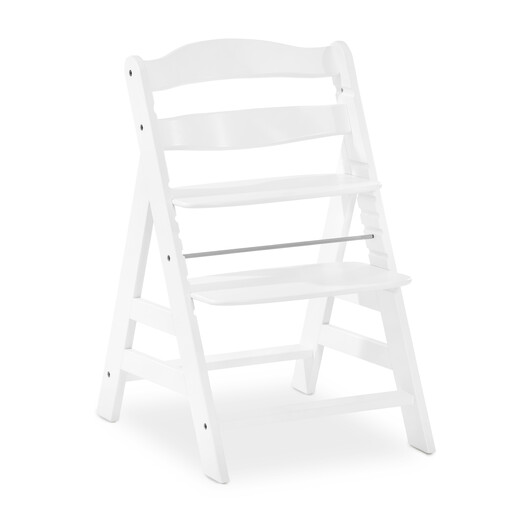
Why This Fits Their Persona: Ideal for families looking for a durable, safe, and affordable solution. As a classic wooden adjustable high chair, it's a popular Stokke alternative that focuses on the essentials.
It bypasses the "hidden instability" trap with its sturdy construction and floor gliders that actively prevent tipping. It avoids feature overload, focusing instead on solid, ergonomic fundamentals.
High load capacity of up to 90 kg, allowing for use into the teenage years. Made from European beech wood from FSC-certified forests.
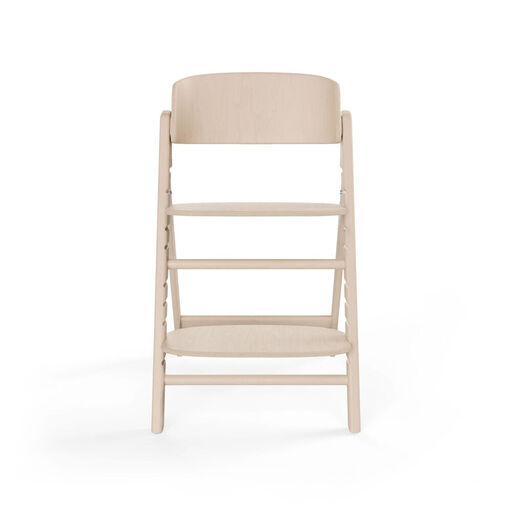
Why This Fits Their Persona: Perfect for modern apartments where space is at a premium. This Cybex high chair combines a minimalist design with a clever folding function without compromising on stability.
It solves the problem of bulky high chairs that get in the way. Instead of rarely used conversions, it focuses on a core function that offers real everyday value: quick and compact folding.
One-click folding mechanism for extremely space-saving storage. The design, made from FSC-certified beech wood, blends seamlessly into modern interiors.
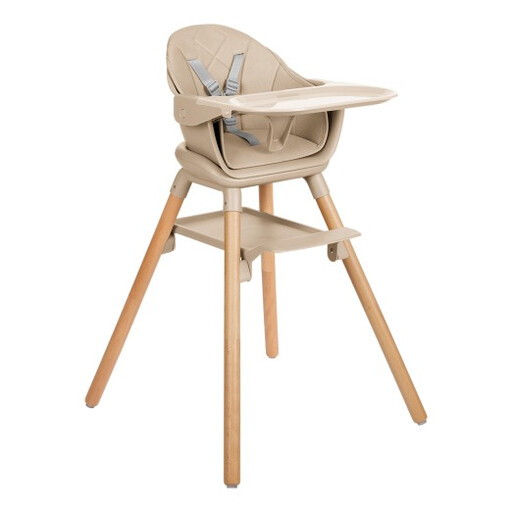
Why This Fits Their Persona: For parents who value an all-in-one solution and want to actively use the various configurations—from a baby high chair to a small toddler chair. Ideal if the chair will be used in different rooms or situations.
It avoids the "feature overload" trap by being designed for a target audience that specifically seeks this versatility. The conversion is straightforward, and the individual modes are practical for different developmental stages up to 6 years.
True 6-in-1 versatility that adapts to the child's growth (up to 25 kg). The easy-to-clean leatherette cover and removable double tray simplify daily cleanup.
We've compiled a complete, up-to-date list of products that fully meet these strict selection criteria and safety regulations.
A grow-with-me high chair is useful from the moment your child can sit upright independently and stably. This is typically around 6 to 9 months of age. For use from this age, a secure harness system (preferably a 5-point harness) and possibly a seat reducer are necessary.
A removable tray offers flexibility. It allows the high chair to be used as a standalone unit, which is especially practical for first feeding attempts. Without the tray, the chair can be pushed directly to the dining table, which promotes the child's integration into family meals. An easy-to-clean, removable tray is therefore a major advantage.
Not necessarily. A wooden high chair is often a very durable and stable choice with an appealing aesthetic. Models like the Hauck Alpha Plus demonstrate the benefits of solid wood. However, high-quality plastic models can be lighter, easier to fold, or feature an adjustable backrest. The decision depends on your priorities: maximum durability and sustainability (wood) or flexibility and additional features (plastic).