
Lieferung heute & morgen

Qualitätsgarantie

Willkommens-Angebote freischalten: KOSTENLOSE Lieferung | Bis zu 80 % RABATT | Kostenlose 30-Tage-JoyPlus-Testphase
App herunterladen
A stomach and waist trainer can serve different purposes depending on its design. A waist trainer or compression belt focuses on adjustable compression and a contoured fit. An abdominal trainer or ab roller, on the other hand, supports active core exercises. If you judge both product types the same way, you could easily end up buying something that doesn't suit your needs.
A waist trainer can temporarily alter your silhouette while you're wearing it. However, this does not lead to permanent fat loss. Claims such as "burns fat" or "boosts metabolism" should therefore not be taken as guaranteed results. For body contouring, fit, how it works with your clothing, and personal comfort are far more important than marketing promises.
A tummy control belt with multiple fasteners or steel bones may feel more secure, but it isn't automatically suitable for long wear or every type of exercise. Pressure points, restricted movement, and excessive heat build-up are possible practical drawbacks. A waist shaper should never hinder your breathing or normal movements.
Labels like "One Size" or "Fits All Size" are no substitute for taking your measurements. Your waist and stomach circumference, height, and the desired position of the belt all affect the fit. Width also matters: a narrow fitness belt can offer more freedom of movement during exercise, while a wider waist shaper covers a larger area.
Pay attention to the number and position of the closure levels. A model with a 6-level Velcro fastening adjusts differently to one with an 8-level fastening system. The setting should be firm but not digging in. Check the following before you buy:
The Feelingirl models presented here use a material blend of 35% latex and 65% polyester. Latex can stretch to fit your body, while polyester often helps maintain shape. If you have a latex sensitivity, pay close attention to the material information.
Multi-layer compression belts with built-in bones can offer more structured back support. However, they require careful cleaning. Several products recommend hand washing; instructions like "do not iron", "do not bleach" or "do not tumble dry" should be followed to avoid unnecessary strain on the material and fastenings.
A stomach and waist trainer is not automatically an abdominal exercise machine. For sit-ups, crunches, or leg raises, a training device with handles or guidance is more suitable. An ab roller, on the other hand, requires active stabilisation and controlled movement. For beginners, it's important to start with a small range of motion and train on a non-slip surface.
If you have existing health issues, after an operation, during pregnancy, or in the post-natal recovery period, you should consult a medical professional before using a compression belt or abdominal trainer. These products are not a substitute for individual advice.
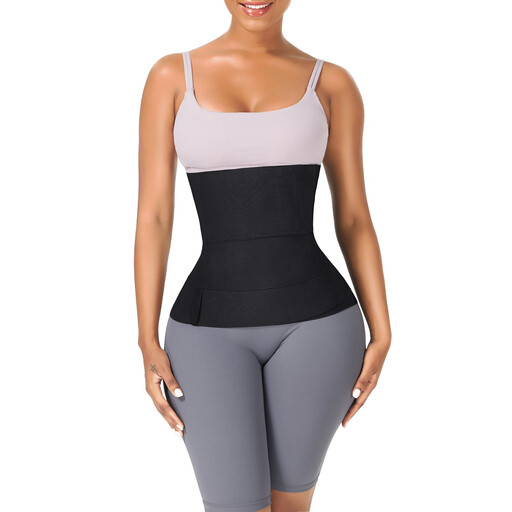
Why this product suits the profile: According to the product details, this wrap waist trainer features a 6-level Velcro fastening and a material blend of 35% latex and 65% polyester. This allows you to adjust the width gradually.
The adjustable fastening is easier to control than a rigid one-size-fits-all design. However, you should still compare the size information with your own measurements.
6-level Velcro fastening; elastic material blend; designed for everyday wear and training.
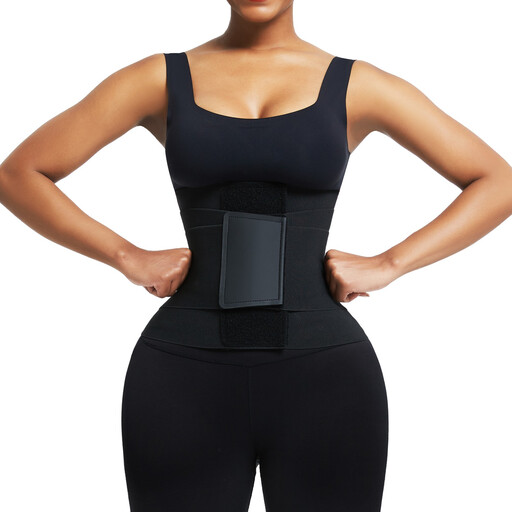
Why this product suits the profile: According to the product description, this version has a three-layer construction and includes 5 steel bones and a three-part strap system. This appeals to users looking for more structured compression.
The construction specifies concrete layers, steel bones, and strap width rather than relying solely on visual shaping claims. Due to its firm structure, you should check your freedom of movement beforehand.
Three-layer construction; 5 steel bones; adjustable strap system with moisture-wicking material according to product details.

Why this product suits the profile: This training device is designed for sit-ups, crunches, leg raises, and flutter kicks. The stated dimensions of 73 x 61 x 69 cm help you plan where to set it up and store it.
This is not a passive tummy control belt, but a device for active exercises. This makes its intended use much clearer and separates it from pure compression products.
Foam-coated handles; designed for multiple abdominal exercises; compact dimensions for storage.
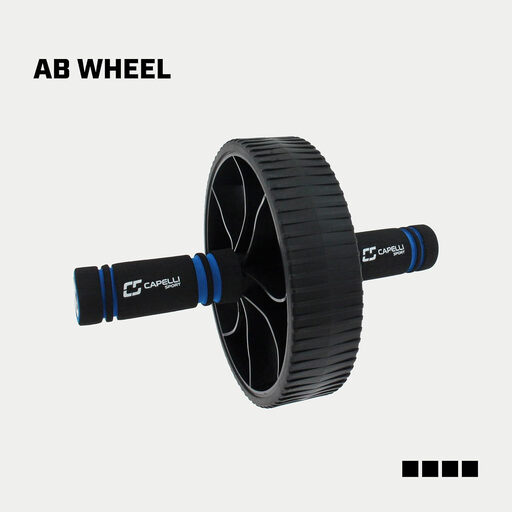
Why this product suits the profile: This ab roller features a 17 cm wheel, a TPR running surface, and EVA foam handles. It's aimed at people looking for a space-saving device for core and balance training.
The wide wheel base and the described non-slip TPR cover address the common weakness of an unstable training device. Always make sure the handles are secure before each use.
17 cm wheel; stainless steel core; TPR cover and EVA foam handles according to the product description.
We've put together a complete, regularly updated list of products that fully meet these strict selection criteria and the safety regulations in force in the EU.
When using a compression belt, start with a loose setting and check the fit after a few minutes. Numbness, pain, breathing difficulties, or noticeable pressure marks are reasons to remove the product. With an ab roller, make sure the floor is non-slip; check the handles before every session.
Also, pay attention to the care instructions for your specific model. Hand washing and air drying can be more time-consuming than machine washing, but with proper material care, they can extend the product's lifespan. An abdominal trainer with metal or plastic parts should be stored in a dry place.
An abdominal trainer is usually an exercise device for active core workouts, such as an ab roller or a guided machine. A waist trainer is a wearable compression belt for temporary shaping and support. These two product types therefore follow different usage concepts.
This depends on the design, fit, and your personal tolerance. Start with short periods and light compression. A belt should not be worn continuously or while sleeping, unless the product instructions explicitly allow it. Stop using it if you experience any discomfort.
For a compression belt, the main costs are usually the care effort and, if necessary, replacement costs for worn-out Velcro fastenings. Training devices don't require regular consumables. The key things are proper cleaning, dry storage, and checking the handles, seams, and fastenings before each training session.