
Lieferung heute & morgen

Qualitätsgarantie

Willkommens-Angebote freischalten: KOSTENLOSE Lieferung | Bis zu 80 % RABATT | Kostenlose 30-Tage-JoyPlus-Testphase
App herunterladen
A new stoneware dinnerware set can completely transform the aesthetic of your dining area. However, the selection is vast, and not every set that looks appealing at first glance holds up in daily use. Certain defects or exaggerated marketing promises often lead to disappointment. This guide will help you identify the crucial features and make an informed choice that fits your lifestyle.
Before deciding on a design, it's important to be aware of common problems that often only become apparent after the purchase.
To avoid the problems mentioned above, you should check three technical aspects. These define the quality and everyday usability of any ceramic dinnerware set.
Stoneware is a type of ceramic that is fired at high temperatures (typically 1100°C to 1300°C). A higher firing temperature results in a denser, less porous material.
The glaze not only protects the underlying material but also determines the look and feel. A dinnerware set with a reactive glaze is particularly popular.
Think carefully about which pieces you really need. A good stoneware dinner service is tailored to your usage habits.
Instead of making a blanket recommendation, we have identified products that meet specific requirements and avoid the common pitfalls.
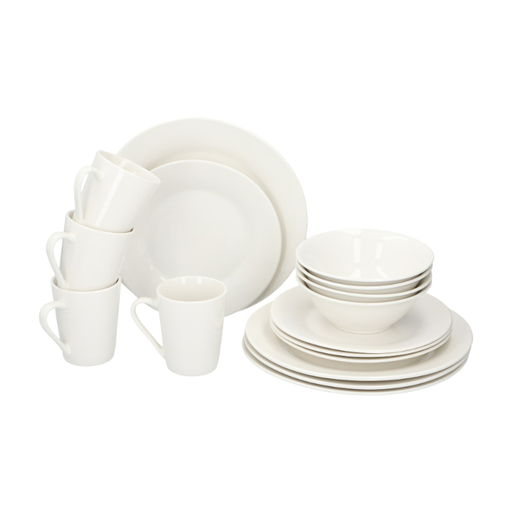
Why This Fits Their Persona: Ideal for a first home or families looking for a complete, straightforward, and functional set. It covers all the basic needs for four people without any unnecessary pieces.
The 16-piece set is clearly defined, containing four full-sized dinner plates, dessert plates, bowls, and mugs. The sizes are practical for everyday use, ensuring there are no useless filler items.
A complete combination service for 4 people. According to the manufacturer, it is microwave and dishwasher safe, which simplifies daily handling.
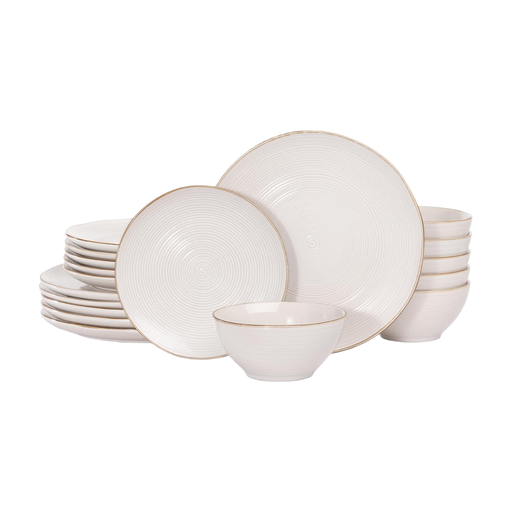
Why This Fits Their Persona: Perfect for anyone who wants to make a statement on the dining table. The organic, irregular design and handcrafted spiral pattern make every meal a special occasion.
Although the design is irregular, the manufacturer states the set is stackable, which bypasses the pitfall of impractical shapes. The long 13.5-hour firing time ensures a robust, scratch-resistant surface.
Unique, handcrafted design with a spiral pattern. The set for 6 is scratch-resistant, microwave-safe, and dishwasher-safe, combining aesthetics with functionality.
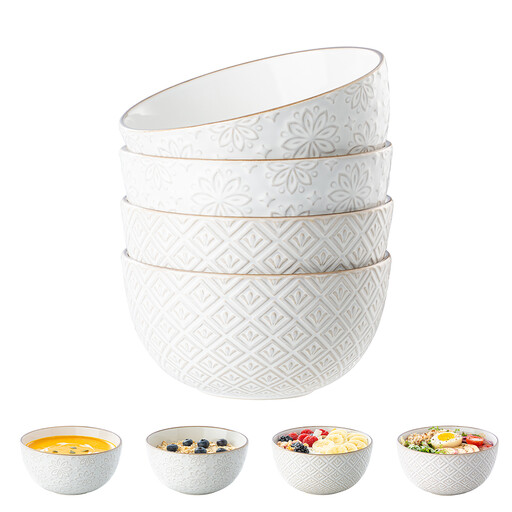
Why This Fits Their Persona: For households that don't need a complete new set but are specifically looking for high-quality, versatile bowls. Ideal for cereal, soups, salads, or pasta dishes.
This set focuses on a single, highly functional component: the bowl. With a capacity of approx. 760 ml (26 oz), they are generously sized, avoiding the problem of small, impractical bowls found in many combination sets.
Extremely versatile: According to the manufacturer, they are microwave, oven, freezer, and dishwasher safe. The stackable design with unique embossed patterns saves space while being aesthetically pleasing.
We have compiled a complete, up-to-date list of products that fully meet these strict selection criteria and German safety regulations.
The main difference lies in the material and firing temperature. Porcelain is made from finer kaolin clay and fired at very high temperatures (up to 1450°C), making it very dense, hard, and often translucent. Stoneware is fired at slightly lower temperatures, is thicker, opaque, and has a more earthy, rustic feel. For everyday use, high-quality stoneware is often a more robust and affordable choice.
Although most modern reactive glazes are dishwasher-safe, hand washing is often recommended to preserve the unique surface. Avoid abrasive scouring pads or steel wool, which could scratch the glaze. To minimize cutlery marks, special ceramic cleaning pastes can help.
In some designs, crazing is an intentional aesthetic effect to create a vintage look. In this case, the cracks are sealed under a final, protective topcoat of glaze. However, if unwanted cracks form after a short period of use and become discoloured, it is a sign of a low-quality glaze that is absorbing moisture. For hygiene reasons, such dinnerware should no longer be used.