
Lieferung heute & morgen

Qualitätsgarantie

Willkommens-Angebote freischalten: KOSTENLOSE Lieferung | Bis zu 80 % RABATT | Kostenlose 30-Tage-JoyPlus-Testphase
App herunterladen
Storage bags create space in your wardrobe, under the bed, in the car or in your luggage. But not every model is suitable for every task. A flimsy bag can lose its shape when filled with heavy bedding, an oversized garment bag becomes unwieldy in the wardrobe, and a poorly sealed toiletry bag can cause liquids to leak all over your suitcase.
That's why it's worth taking a closer look at capacity, dimensions, material, closure and intended use before you buy. The following tips will help households, families, travellers and campers avoid common purchasing mistakes.
Descriptions like "extra large" don't tell you much on their own. The specific dimensions and shape of the bag are what really matter. For example, a tall bag is ideal for blankets and duvets, while flat models fit better under the bed or in a low-profile compartment.
For clothes storage bags, you should also check whether the opening is large enough for folded textiles. Two openings – for instance, one on the top and one on the front – can make packing and unpacking easier.
Transparent windows make it easier to see what's inside, but they are no substitute for proper labelling. If you have dark wardrobes or stack your bags, a window on the top is useful. If the bags are stored side by side, a front window may be more practical.
Pay attention to the size of the window and make sure it is securely attached to the fabric. A small viewing panel might only show a fraction of the contents. For seasonal clothing or bedding, a combination of a viewing window and a label is a sensible approach.
A zip bears the daily strain of opening and closing. If the bag is regularly overfilled, the zip can get stuck or the seam can come under tension. Reinforced handles are especially important for large storage bags, as the weight of blankets, jackets or books can add up quickly.
For garment bags with zips, you should check whether the bag is intended only for dust-proof hanging or also for transport. A garment bag for the wardrobe needs different features than a sturdy travel bag.
First, think about what you want to store:
An example of large-capacity models are bags with a 66-litre capacity and dimensions of 50 × 40 × 33 cm per bag. These dimensions are suitable for bulky textiles but require sufficient height in a wardrobe or under a bed.
Polyester and nylon are common materials for many storage bags. They are relatively lightweight and can often be cleaned with a damp cloth. For bathroom and travel use, a water-repellent outer material can be useful. However, this does not automatically mean that the bag is completely waterproof.
With fabric storage boxes, you should check the stability of the side panels. Reinforcements or dividers help to maintain the shape. For camping accessories, an abrasion-resistant base, a padded interior and a wipe-clean material are also important.
Zips should run smoothly and not be under constant tension. Mesh compartments are suitable for small items, while closed compartments offer more protection against things falling out. On pushchair organisers, adjustable hook-and-loop fasteners are practical but must be attached correctly.
When used in the car, a back seat organiser should be securely fastened to the seat or seat belt. Loose bags can slide around while driving. For families with children, small items containing parts that could be swallowed should be kept in closed compartments and not in easily accessible areas.
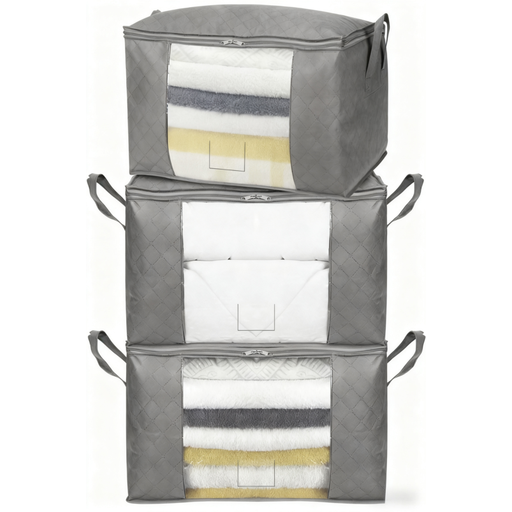
Why this product fits the profile: This set of 3 offers a simple way to sort clothes, accessories or lightweight household items by category.
The foldable design takes up less space when not in use. The zip and viewing window make it easy to check the contents.
Three bags, foldable design, reinforced seams and a stated load capacity of 5 pounds per bag.
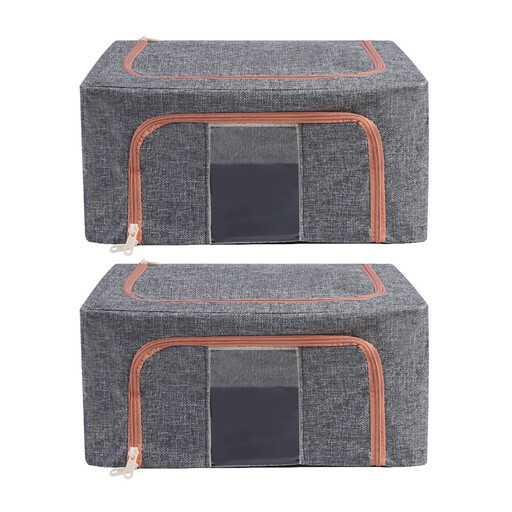
Why this product fits the profile: The large capacity of each bag is designed for duvets, blankets, winter clothes and other bulky textiles.
Windows on the front and top save you from searching for ages. However, you should still avoid overfilling the bags to reduce strain on the zips.
66-litre capacity per bag, two access openings and transparent windows.
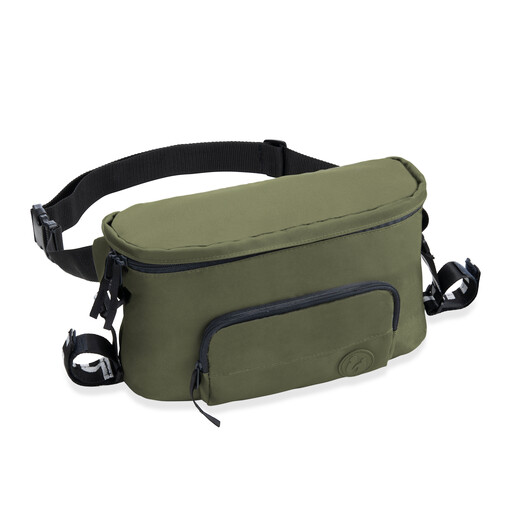
Why this product fits the profile: The organiser can be attached to a pushchair or worn as a waist bag, keeping frequently needed items within easy reach.
Adjustable hook-and-loop fasteners allow it to fit many pushchairs. Zips on the compartments prevent small items from falling out.
2-in-1 use, dimensions of 17 × 11 × 32 cm, and can be hand-washed or machine-washed at 40 °C according to the product information.
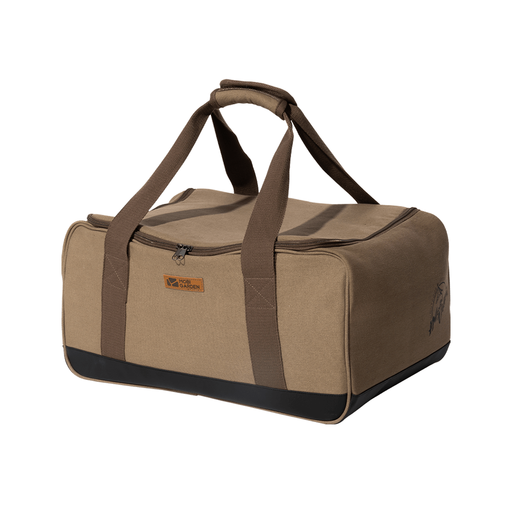
Why this product fits the profile: This camping bag is designed for cookware and outdoor equipment, making it ideal for regular use when camping or having a picnic.
The removable divider prevents items from being stacked untidily. A reinforced, water-repellent base reduces direct contact with damp ground.
Dimensions of 47 × 28.5 × 23 cm, EVA padding on the sides and a customisable interior layout.
We've put together a complete, regularly updated list of products that fully meet these strict selection criteria and all applicable EU safety regulations.
After a trip, a toiletry bag containing bottles and small accessories should be emptied, rinsed out and dried completely. For liquids, it's also a good idea to use individual leak-proof packaging, as water-repellent material doesn't offer guaranteed protection against every leak.
For duvets, blankets and bulky winter clothing, large storage bags with sufficient height, sturdy seams and a smooth-running zip are ideal. A viewing window makes it easier to identify the contents. Before buying, you should compare the folded dimensions of your duvet with the internal dimensions of the bag.
When not in use, foldable storage bags usually take up less storage space than rigid plastic boxes. Plastic boxes, on the other hand, can be more rigid and are better suited for stackable storage. Fabric models are practical for clothes, bedding and light household items; for heavy or sharp-edged objects, you should pay special attention to the bag's durability.
The lifespan depends on the material, how much it's used, where it's stored and how it's cared for. A bag will generally last longer if it is not overfilled, stored in a dry place and carried evenly by its handles. For frequent use, reinforced seams, durable zips and a sturdy base are important selection criteria.