
Lieferung heute & morgen

Qualitätsgarantie

Willkommens-Angebote freischalten: KOSTENLOSE Lieferung | Bis zu 80 % RABATT | Kostenlose 30-Tage-JoyPlus-Testphase
App herunterladen
A storage bench promises an elegant solution to two everyday problems: a lack of seating and not enough space for daily essentials. However, the market is flooded with products whose quality and functionality vary greatly. Before you make a decision, it's crucial to understand the common weaknesses that can quickly turn a supposed lifesaver into a nuisance.
Many buyers report three central issues:
This guide will help you navigate these pitfalls and make an informed choice that perfectly matches your requirements.
To find a durable and functional storage bench, you should carefully examine three core parameters. These features determine whether a piece of furniture will serve its purpose for years or will need to be replaced quickly.
Stability is paramount. Pay close attention to the manufacturer's specified maximum static load capacity. This value indicates how much weight the furniture can support in a stationary state. For safe use as seating, this value should be generous.
The term "storage space" is flexible. Think carefully about what you want to store and check the internal dimensions.
For an upholstered storage bench, the cover and padding are crucial for comfort and longevity.
Here are some models tailored to different needs and living situations.
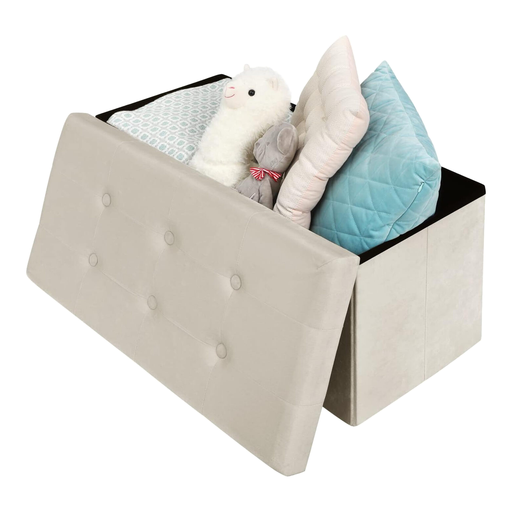
Why This Fits Their Persona: Ideal for those seeking a multifunctional solution for smaller apartments or changing needs. It serves as a seat, footrest, and storage, and can be stowed away to save space when not in use.
Contrary to the assumption that foldable furniture is unstable, this model offers a static load capacity of up to 300 kg, according to the manufacturer, thanks to its E1-grade MDF frame. This directly addresses concerns about a lack of stability.
A generous 80-litre storage volume and the ability to fold down to just 6.5 cm in height make it extremely versatile. The velvet cover provides a high-end look.
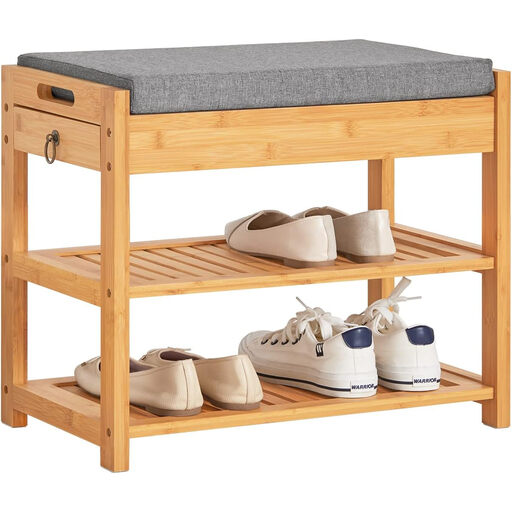
Why This Fits Their Persona: Perfect for anyone looking for a dedicated and sturdy solution for the hallway. This bench combines a comfortable seat for putting on and taking off shoes with targeted storage for footwear and accessories.
The frame, made of natural bamboo, is moisture-resistant and more durable than cheap engineered wood panels that can quickly swell from wet shoes in an entryway. The construction is designed for a load of up to 150 kg.
Offers a thoughtful combination of a cabinet with two shelves for shoes and a side drawer for small items like keys or shoe care products.
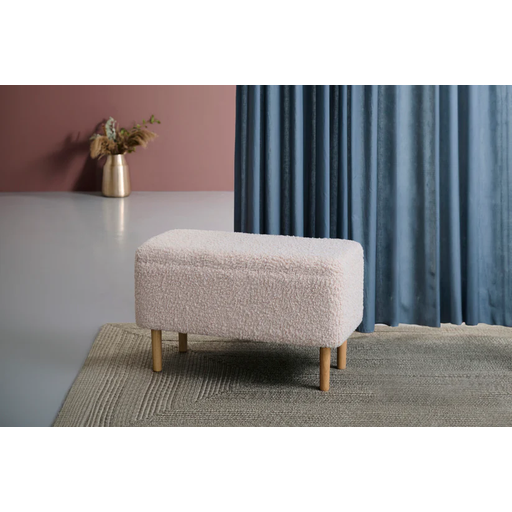
Why This Fits Their Persona: For users looking for a piece of furniture that blends seamlessly into the living room or bedroom, serving as both a comfortable seat and discreet storage for blankets or pillows.
The construction of MDF and rubberwood gives the bench a solid, furniture-like stability that goes beyond that of simple storage boxes. The specified load capacity of 120 kg provides a reliable foundation for daily use.
The classic design with a padded lid and sturdy feet makes it look like a fully-fledged piece of furniture. The integrated storage is completely concealed and does not disrupt the homely aesthetic.
We've compiled a complete, up-to-date list of products that fully meet these strict selection criteria and UK safety regulations.
The load capacity varies greatly depending on the model and construction. Always pay attention to the maximum static load capacity specified by the manufacturer. A bench for the hallway, where you only sit briefly to tie your shoes, requires less load capacity than a bench in the living room that serves as permanent seating for several people. Models with a solid wood or metal frame are generally more stable than those made purely of particleboard.
Yes, many modern foldable storage benches are surprisingly robust. The key lies in the construction: models with a frame made of dense E1-grade MDF boards and a stabilizing base plate can often support a static load of 150 kg to even 300 kg. Be sure to check the manufacturer's specifications for load capacity before purchasing and ensure the bench is placed on a level surface.
Care depends on the material. Velvet covers should be cleaned gently with a soft brush or a special upholstery attachment on your vacuum cleaner. Stains are best removed by dabbing with a slightly damp cloth. Covers made of polyester or linen are often more resilient and can be cleaned with a damp cloth and mild soap solution. Avoid aggressive cleaning agents and excessive moisture to protect the material and the underlying padding.