
Lieferung heute & morgen

Qualitätsgarantie

Willkommens-Angebote freischalten: KOSTENLOSE Lieferung | Bis zu 80 % RABATT | Kostenlose 30-Tage-JoyPlus-Testphase
App herunterladen
A storage bench is a smart solution for apartments and homes where every square inch counts. It combines practical seating with hidden space for blankets, shoes, or toys. However, the selection process has pitfalls that can quickly turn a useful piece of furniture into a bad buy. An appealing design can often hide structural flaws or impractical details that severely limit its everyday usability.
This guide will show you which critical features to look for to make an informed decision. We'll focus on the three most common problems that buyers overlook:
To avoid these pitfalls, you should check three key parameters before making a decision. These determine the longevity and practical utility of your new storage bench.
Stability is paramount. Pay close attention to the maximum static load capacity. This value indicates how much weight the bench can support when stationary. A rating of 150 kg is a good benchmark for a single person, while models for two people or family use should have a load capacity of 300 kg.
The core material is often MDF (Medium-Density Fibreboard). Here, the quality grade is crucial. Class E1 boards are considered low-emission and are a standard for quality furniture in Europe. A solid frame, sometimes reinforced with metal elements, provides additional durability, especially if the bench is frequently used for seating.
Consider what you want to store. For shoes and smaller items in the hallway, a hallway bench or shoe bench with open compartments or removable baskets is ideal. This allows for quick access and good ventilation.
For larger items like blankets, pillows, or toys, a closed storage chest is perfect. There are two common lid types:
Measure the intended space precisely. An end-of-bed bench should ideally be slightly narrower than the mattress. An upholstered storage bench in the living room needs to fit in with the existing seating arrangement.
The upholstery fabric affects not only the look but also the care and durability:
Here are some models tailored to specific use cases that meet the quality criteria mentioned above.
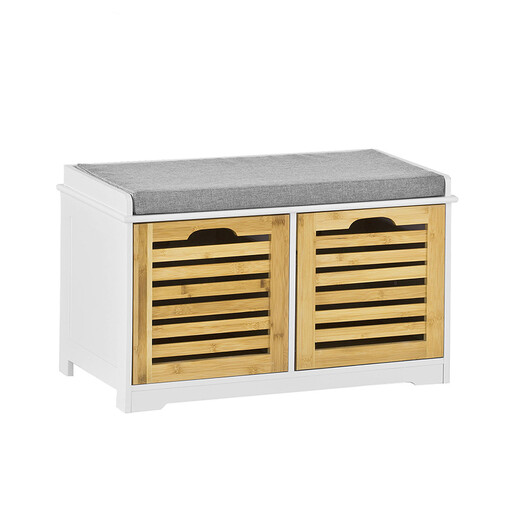
Why This Fits Their Persona: Ideal for those seeking a dedicated solution for their entryway. The combination of a seating area for putting on shoes and structured storage for footwear and accessories keeps the hallway tidy.
Sidesteps the impractical storage trap with two separate, removable baskets. This ensures organization and easy access to the contents.
A combination of MDF and bamboo creates an appealing look. The bench's 150 kg load capacity is more than adequate for its purpose.
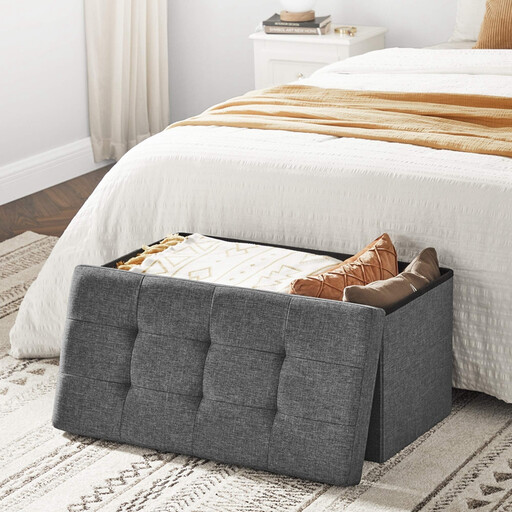
Why This Fits Their Persona: Perfect for renters or anyone needing flexible furniture. The bench can be folded flat and stored away when not in use. With a 300 kg load capacity, it serves as a sturdy seat for two people when needed.
Counters the stability trap with a clearly declared, high static load capacity of 300 kg, achieved through a robust MDF (Class E1) construction.
Foldable design for space-saving storage. The generous 80-litre compartment offers plenty of room for various items.
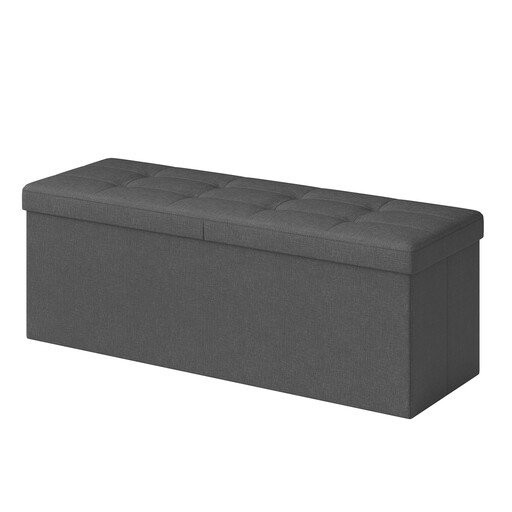
Why This Fits Their Persona: At 110 cm long and with a 131-litre capacity, this bench is an excellent choice for families needing ample storage for toys, blankets, or bedding. It can be used as an end-of-bed bench or in the living room.
Addresses the material weakness pitfall with thick MDF boards and metal-reinforced corners on the lid, increasing durability for heavy use. The 300 kg load capacity provides peace of mind.
Very large storage volume (131 L) and a high load capacity of 300 kg. The durable, linen-look upholstery is well-suited for everyday family life.
We've compiled a complete, up-to-date list of products that meet these strict selection criteria and safety requirements.
The load capacity varies greatly depending on the model and construction. Smaller storage ottomans often support around 100-150 kg. Larger benches, especially foldable models with a solid base plate and reinforced frame, can reach a static load capacity of up to 300 kg. Always check the manufacturer's specifications to ensure the product is suitable for your intended use.
The cleaning method depends on the upholstery material. Polyester linen-look covers can usually be cleaned with a damp cloth and mild soap solution. Be cautious with velvet or teddy fleece; vacuuming with a soft brush and spot-treating with special upholstery cleaners is recommended. Avoid harsh chemicals and excessive moisture.