
Lieferung heute & morgen

Qualitätsgarantie

Willkommens-Angebote freischalten: KOSTENLOSE Lieferung | Bis zu 80 % RABATT | Kostenlose 30-Tage-JoyPlus-Testphase
App herunterladen
A storage bench promises to solve two of the most common household problems at once: lack of space and clutter. It serves as comfortable seating in the hallway, an elegant addition to the foot of your bed, or a discreet storage solution in the living room. However, not all models live up to their promise. Before you invest, you should know the typical weaknesses that can quickly turn a practical piece of furniture into a frustrating purchase.
Many buyers focus on colour and price, but overlook crucial design features. The result is wobbly benches, sagging cushions, and upholstery that becomes unsightly after just a few months. This guide will show you what to look for to find a durable and functional storage bench.
The 3 most common pitfalls when buying a storage bench:
To make an informed decision, you should focus on three core parameters. These determine the durability, safety, and everyday practicality of your new bench.
Stability is the most important criterion. Pay close attention to the frame's material specifications.
The static load capacity indicates how much weight the bench can support when stationary. A value of 120–150 kg is sufficient for occasional use by one person. Models with a load capacity of 300 kg are significantly more robust and are also suitable for two people or more intensive use in a family household.
Before buying, consider what you plan to store. The volume is specified in litres and helps with estimation.
A foldable storage chest offers the advantage of being storable to save space when not in use. Be sure to check its dimensions when folded.
The upholstery material affects not only the look but also the level of maintenance required.
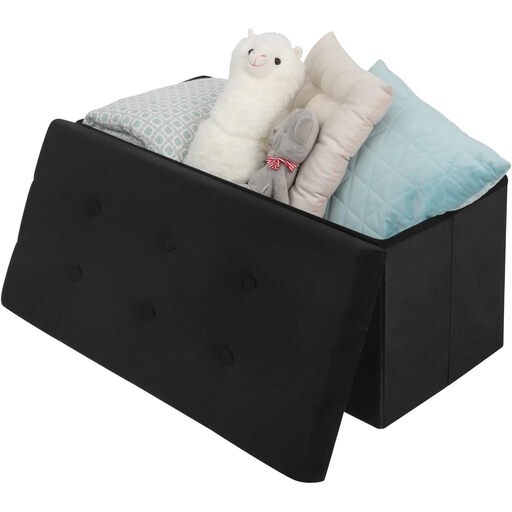
Why It's a Match: Ideal for a first apartment or a limited budget. It offers ample storage and a high load capacity at an accessible price, without compromising on core functionality.
According to the manufacturer, the E1-grade MDF construction provides a static load capacity of up to 300 kg, debunking the assumption that foldable models are inherently unstable.
Foldable design for space-saving storage when needed; High storage volume of 80 litres for blankets or shoes.
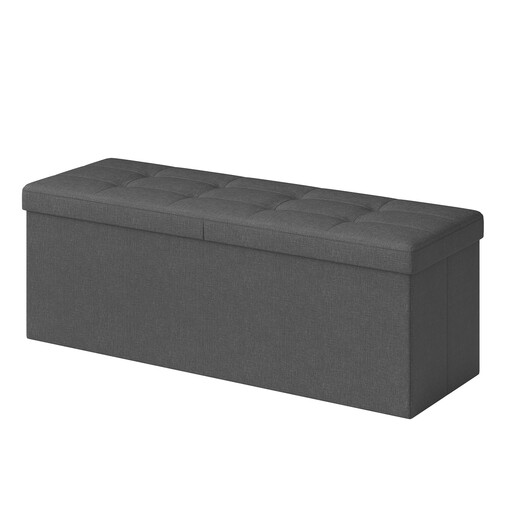
Why It's a Match: With a width of 110 cm and a volume of 131 litres, this bench is ideal for neatly storing toys, blankets, and seasonal clothing in the living room or bedroom.
Reinforced metal corners and thick MDF boards ensure high stability and a 300 kg load capacity, making it a robust solution for the hustle and bustle of family life.
Very large storage volume (131 L); Some models in this series offer a removable divider for better organisation.
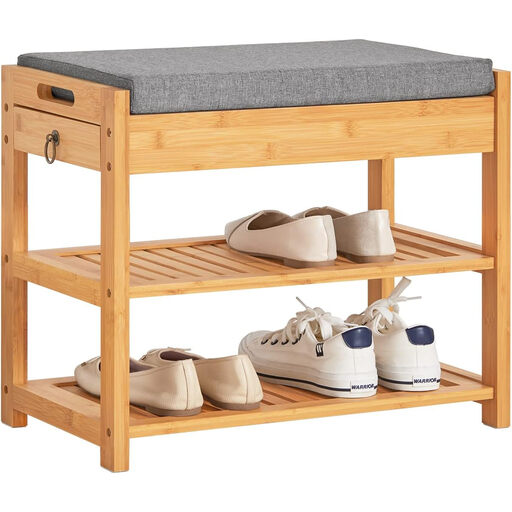
Why It's a Match: Perfect for narrow hallways or small entryways. This compact shoe bench with seating organises shoes while providing a comfortable place to sit and put them on.
Instead of one large empty space, this model features a sturdy bamboo construction with compartments and a drawer. This avoids the problem of overstuffed and disorganised chests.
Made from moisture-resistant bamboo; Integrated drawer for small items like shoe care products or keys.
Explore our full selection of products, carefully chosen based on the criteria mentioned here.
The load capacity varies greatly depending on the model and construction. Simple, foldable ottomans might reach their limit at 100 kg, while more robust benches with a reinforced frame made of MDF or solid wood often have a static load capacity of up to 300 kg. Always check the manufacturer's specifications to ensure the bench is suitable for its intended use.
For most fabric covers like velvet or linen-look, spot cleaning with a slightly damp cloth and possibly a mild soap solution is recommended. Gently dab stains instead of rubbing. For removable covers, follow the manufacturer's washing instructions. Wood or bamboo surfaces can simply be wiped with a dry or damp cloth.
Yes, as long as it is well-constructed. Look for models with a frame made of E1-certified MDF boards and a sturdy, precisely-fitting base plate that is inserted inside. This plate is crucial for the stability of the side walls. A high stated load capacity (e.g., 300 kg) is also a good indicator of a robust design that can withstand daily use.