
Lieferung heute & morgen

Qualitätsgarantie

Willkommens-Angebote freischalten: KOSTENLOSE Lieferung | Bis zu 80 % RABATT | Kostenlose 30-Tage-JoyPlus-Testphase
App herunterladen
A storage bench is a smart solution for adding more order and functionality to your home. Whether as a shoe bench in the entryway, a storage chest in the living room, or an end-of-bed bench in the bedroom, it combines practical seating with valuable, hidden storage. However, the market is crowded, and not every model delivers on its promise. Many buyers end up frustrated with wobbly construction, low-quality materials, or poorly designed storage space.
This guide will help you identify the crucial features and make an informed decision. We'll show you what to look for to find a durable and functional storage bench that perfectly fits your needs.
Before you make a purchase, you should be aware of the typical defects that often only become apparent after a few weeks of use.
To avoid a bad buy, focus on the following objective parameters. These are the primary determinants of your new storage bench's longevity and practical utility.
The foundation of any good storage bench is its frame. The maximum static load capacity is the most important indicator of stability here.
The storage space should match what you intend to store.
For an upholstered storage bench, the cover is crucial for both appearance and durability.
Here are some models that are well-suited for different use cases based on their objective features.
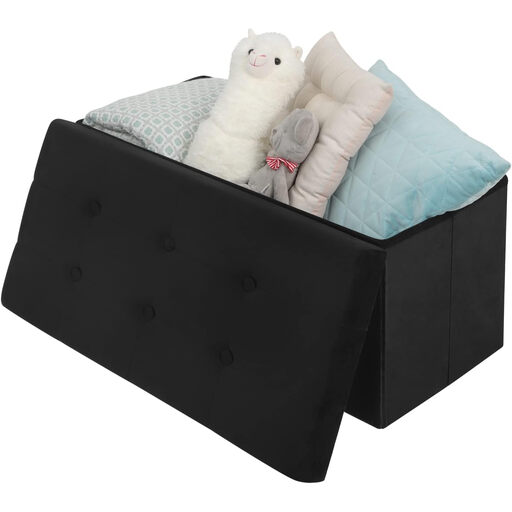
Why it's a good fit: Ideal for a first apartment, student housing, or small entryways where flexibility is key. When not in use or during a move, the bench can be folded flat and stored compactly.
It counters concerns about instability with a specified static load capacity of 300 kg, achieved through a frame made of E1-grade MDF boards. This provides high stability despite its foldable design.
Combines a high load capacity with a foldable design. The 80-litre storage volume is impressive for its compact size.
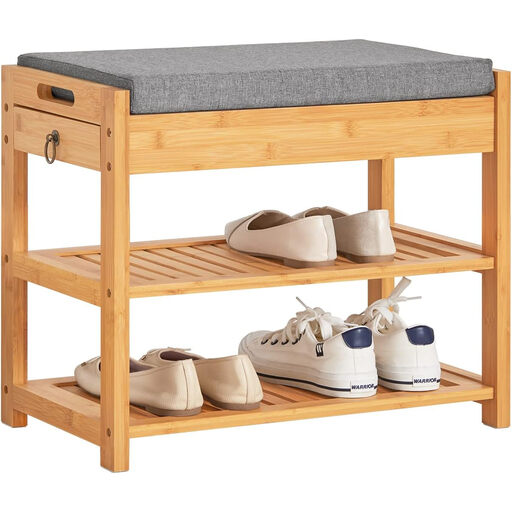
Why it's a good fit: Perfect for a busy family entryway. The combination of a cabinet for shoes and a side drawer for small items like keys or shoe care products helps maintain long-term order.
It solves the "impractical storage" problem with a clear, structured layout. Instead of one large compartment, it offers two shelves and a separate drawer. The bamboo material is also more robust and moisture-resistant than basic MDF boards.
Structured storage for targeted organization. The 150 kg load capacity and durable bamboo material are designed for daily use.
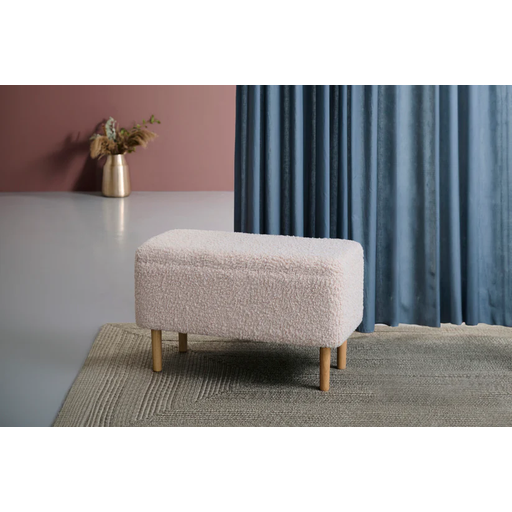
Why it's a good fit: The simple, upholstered design blends seamlessly into living rooms or bedrooms. It works perfectly as an end-of-bed storage bench for blankets or as extra seating in the living room without looking like a piece of entryway furniture.
Addresses the "low-quality materials" concern with a solid material combination of MDF and rubberwood for the frame. The hard-wearing polyester cover is designed for a longer lifespan than simpler fabrics.
Elegant, versatile design that works beyond the entryway. The wood and MDF construction ensures reliable stability (120 kg load capacity).
The right storage bench can make a crucial difference to the order and atmosphere in your home. If you're looking for more models selected based on objective criteria like load capacity and material quality, you can find our complete collection here.
1. How much weight can a storage bench typically hold? The load capacity varies greatly depending on the model and construction. Simple models are often only rated for up to 100 kg. Robust benches, especially those with a reinforced MDF frame or made of solid wood, can have a maximum static load capacity of 150 kg to 300 kg. Always check this specification in the product details to ensure it meets your requirements.
2. Can a storage bench also be used as an end-of-bed bench in the bedroom? Yes, this is a very popular use case. An end-of-bed storage bench at the foot of the bed is ideal for storing throws, extra pillows, or bed linens. Upholstered models are particularly well-suited for this, as they create a cosy atmosphere and serve as a comfortable surface or seat.
3. How do I clean the fabric upholstery on a padded bench? The proper care depends on the material. For most polyester or linen-look covers, it's sufficient to vacuum dust regularly and treat light stains with a slightly damp cloth and mild soap solution. Be more careful with velvet covers and always follow the manufacturer's instructions. As a general rule, avoid harsh cleaning agents and excessive moisture to protect the material and the underlying padding.